Ed Sheeran is said to write poetry with a guitar, but poetry does not come to his words. As it turns out, he can’t talk his way out of a crisis even with a well-placed solo
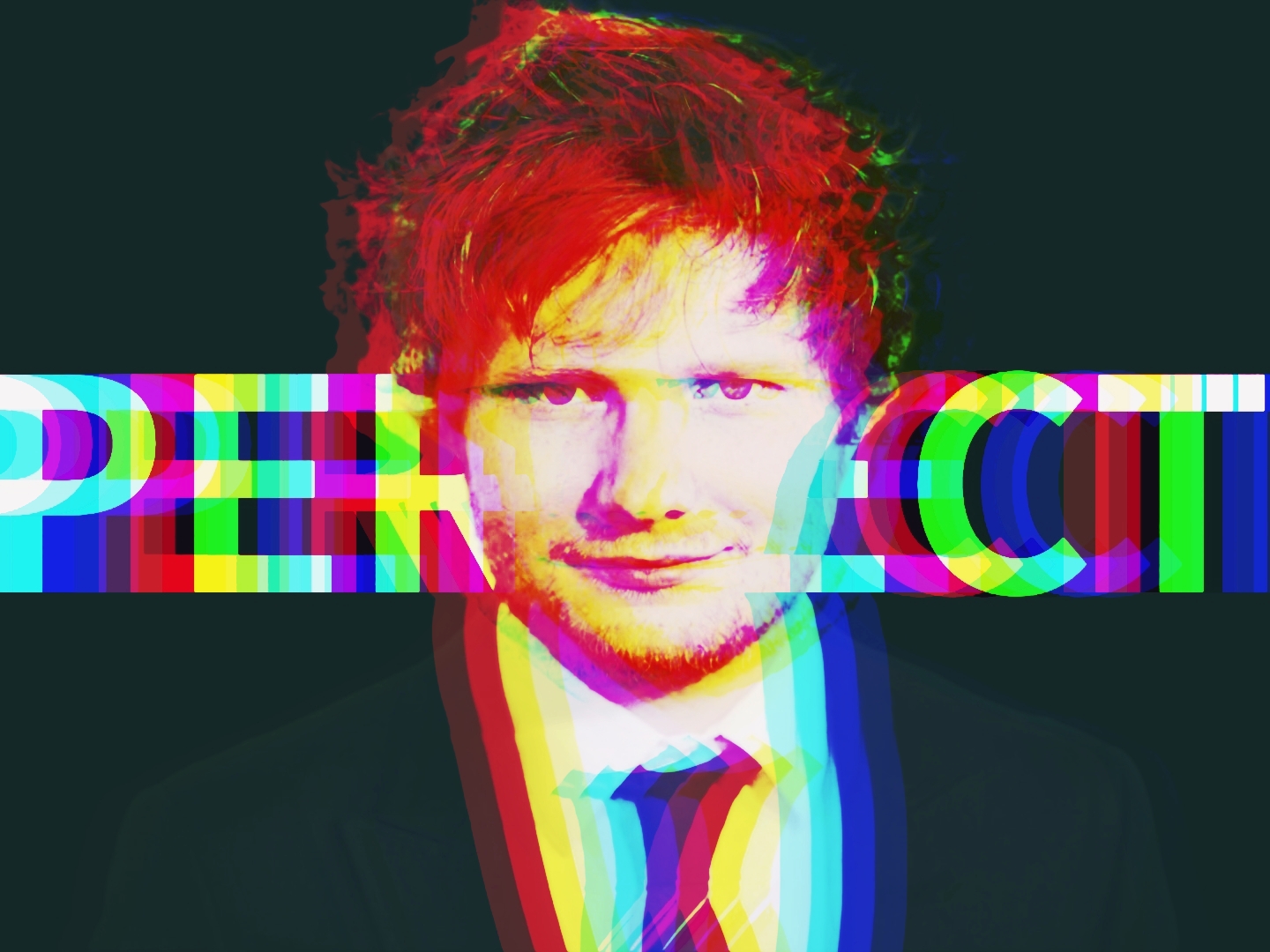
The controversy kicked up by Ed Sheeran pulling rapper Macklemore out of his American tour, The Loop, has not just trained the spotlight on America and its love of spectacle, it also catapulted a word rarely mentioned or used in politically anaemic regions: “apolitical”. Mr Sheeran did not actually use the word in his now widely derided Instagram statement, but he did write: “I choose to use my fame and platform to be a place of safety and sanctuary, to maintain diplomacy and keep the conversations open, not closed.” His wanting Macklemore out is not exactly opening conversations or allowing one. But, more significantly, he did not make an actual stand in a debate that was political, in an America that is totally political, in a stadium among stadiums that are essentially political cages. Because of that, the media and the public began heavily using the word “apolitical”. From Mr Sheeran’s statement, that could be deduced as not involved or interested in politics. An impressive display of backbone on holiday.
In the present era of super fandom, music consumers place a peculiar demand upon contemporary pop stars—a cultural reflex that insists we look to chart-topping entertainers for moral leadership even if they are not blessed with it. Somehow, years of churning out frictionless sonic wallpaper qualifies a person to decode geopolitics. If it’s not obvious, we feel obliged to state clearly: we wouldn’t cross the street to hear Ed Sheeran play the charming troubadour. If his acoustic feathers somehow breach our defences, it’s only because most airwaves are unfortunately public property. In fact, the modern pop star is engineered to bypass one’s brain entirely: a corporate conglomerate disguised as one’s endearing best friend that K-Pop fans know too well, and still worship. But the world is caught in a bind—as long as scales over principles are rewarded, it’ll be the same show: a flimsy apology for being powerless, followed immediately by opening the stadium turnstiles and watching the bank account swell, again.
The modern pop star is engineered to bypass one’s brain entirely
Last year, Ed Sheeran was named one of the “100 Most Influential People in the World” by Time. We were surprised. Mr Sheeran is a songwriter far from the tradition of Morrissey. His lyrics are engineered solely to provoke hysterics in impressionable schoolgirls and furnish bored housewives with a flimsy excuse to spoon-feed themselves with ice cream into a sugar-high stupor. His songs have never managed to provoke anything as strenuous as a flicker of interest in us. He may sing Perfect, but the croon a slander against the ideal adjective. His Mr Nice Guy persona is a polite euphemism for Mr Bland Bloke. He does not dress to impress; his tattoos are graffiti on Tube walls, his hair the long-lost cousin of a clean mop. As a package, Mr Sheeran is a consumable for the demographic spreadsheet: sequenced to offend no one, styled by a team that mistakes safe neutrality for curation, and marketed with the enthusiasm of a Tesco clearance sale.
People took offence when we once described Ed Sheeran as insipid. They say that was an attack on his intellect. It was. And we’d say it again. Lyrics like those in Thinking Out Loud rely entirely on the sly deployment of wedding-dance sentiments—cheap romantic shorthand designed to bypass critical thought and go straight for the tear ducts of the masses. And it takes a particular insipidity to write a lame song and call it Perfect. Also in tune was that Instagram statement. It tried to appease the average concert-goer with the very definition of defensive, bland corporate boilerplate. And failed. When an artist’s primary concern during a humanitarian catastrophe is protecting their bottom line and keeping the stadium tour rolling, the resulting prose is going to be entirely bloodless. And this is, regrettably, consistent with what he has engineered all his career: the triumph of frictionless consumption. What was especially unnerving was that, during this firestorm, Macklemore called him a “friend”, even a “brother”, but he did not return the kinship, only a wall of corporate defence. Ed Sheeran’s “apolitical” neutrality is, ultimately, a symptom of his hollow core. And insipid drove the knife in deeper, twisting it with the effortless cruelty of someone who simply won’t take a side.
Illustration: Just So

