After years of losing ground to younger rivals, the sportswear giant is rummaging through its own archive—reviving the running line Gyakusou in a desperate bid to remind everyone that it once set the pace
Nike’s had a long run. That is true. Odd, though, that as the creator of the “legendary” Cortez, they are not aware that even marathons actually have a finish line. Or, as the Chinese saying goes, 花无百日红 (huawu bairihong)—no flower blooms for a hundred days—and its lesser-known sequel, with a slight tweak for retail, 牌无千日好 (paiwu qianrihao)—no brand stays hot for a thousand. We were at the Nike flagship store at Jewel recently, and what’s been behind the Swoosh’s slump was laid bare: a smattering of browsers, not one compelling product, and a store environment already out of breath. Not even the newish SKIMS corner to spotlight their collaboration made any difference. The excitement we once felt upon entering a Nike store—especially the generally defunct Niketown and NikeLab—had vanished without leaving so much as a hint of a footprint. Then we went next door to On and stepped onto a different planet.
For so many people, Nike has not only trailed off the beaten path, it has lost its way. Its problem isn’t that it is athletic. Nike has always been athletic, but the Swoosh increasingly behaves only as an athletic brand while many of its competitors understand that modern fashion consumption is partly about culture, identity, and symbolism. The irony is that Nike became Nike by being far more than an athletic brand. People didn’t buy Nike because they were runners, but because wearing Air Max and kin connected them to a larger cultural narrative. Today, Nike often seems trapped inside its own performance metrics. Product launches are explained through innovation, weight reduction, 22 underfoot foam nodes, carbon plates, biomechanical testing, and athlete endorsements. Those matter, but they are rational reasons. Coolness is rarely built on rational reasons. And if it is, it does not last.
At On, we found design-led retail restraint, not performance clutter. It showed us that the best technical clothing and shoes often solve problems without the need to advertise the solutions. Over at Nike, it still felt like a company bent on demonstrating blatant performance. In many Nike stores, especially over the last decade, there’s often an excess of information: foam technologies, air technologies, breathability technologies. What’s fascinating to us is that On’s actual innovation is hardly invisible. The CloudTec sole is one of the most visually distinctive designs in modern footwear. Yet the company rarely feels compelled to holler about it. There, in a space that allowed the shoes the room to show, technology merely sits and the speaking is done. That is, no doubt, a certain poise, and an alluring one too. Looking back on that afternoon, we realise we were silently mourning the loss of confidence in Nike. Quiet confidence really travels further than aura smothered by acronyms.
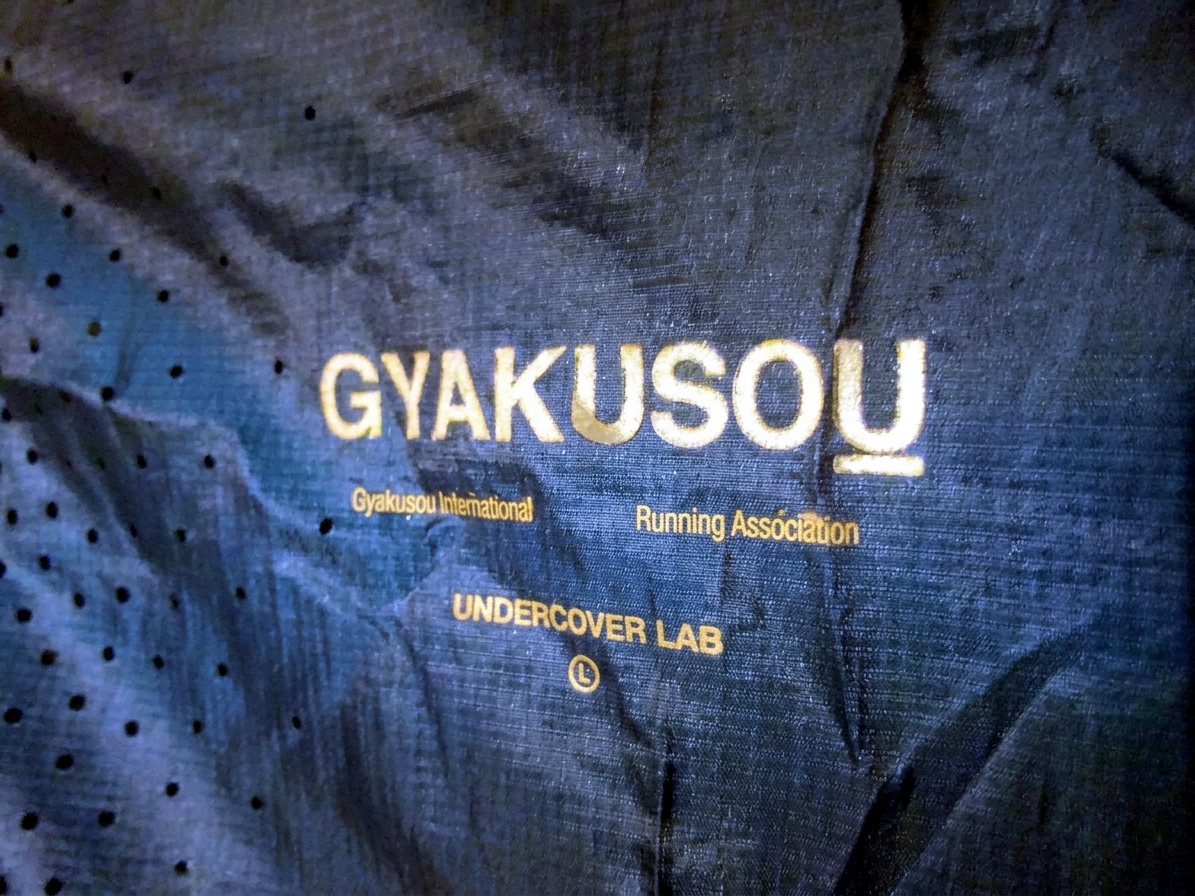
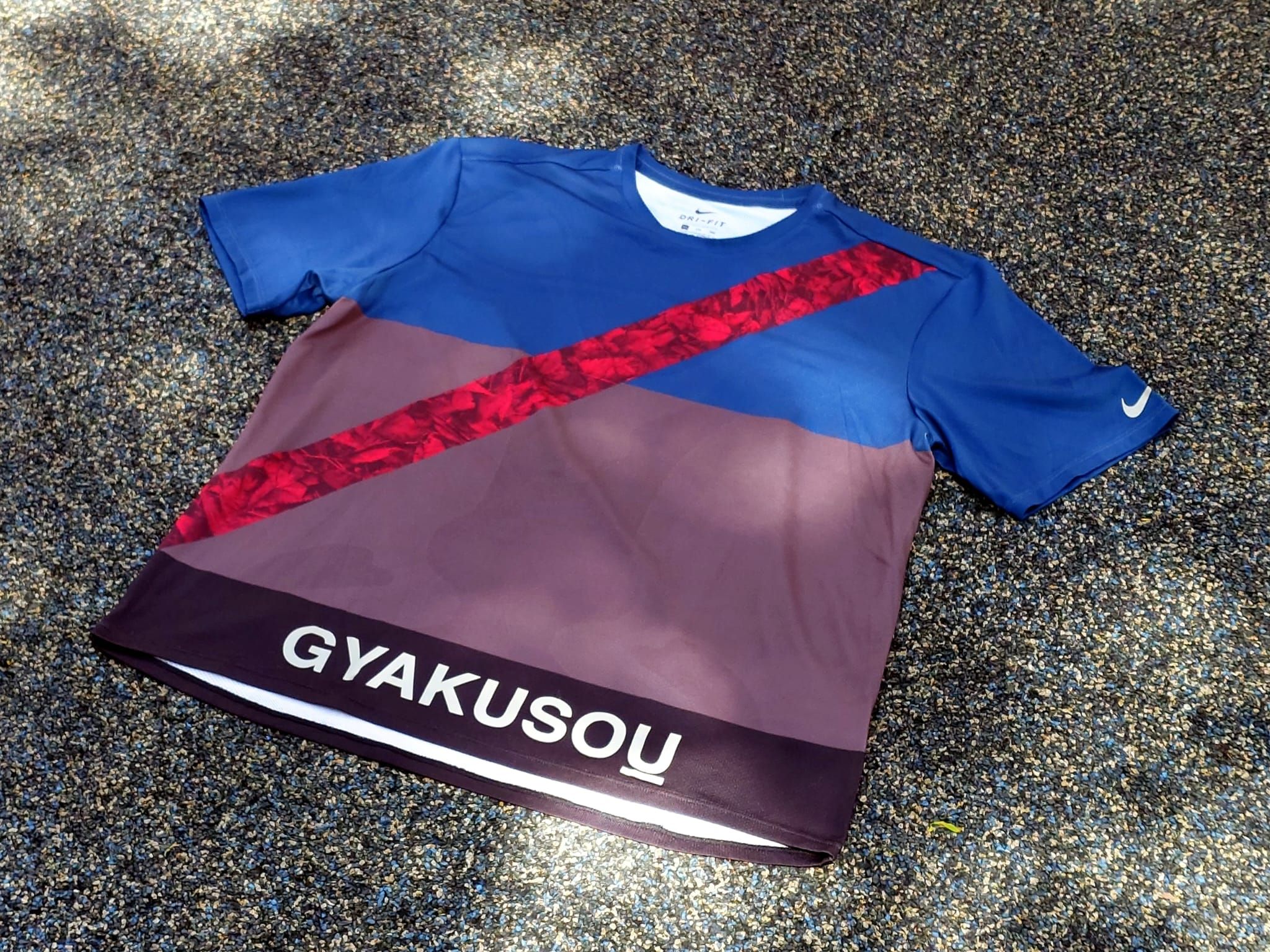
Nike recently announced that they are bringing back Gyakusou, the collaboration with Undercover’s Takahashi Jun. Why pull a brand off the sidelines when it was enjoying a perfectly good breather? With specialist labels like On, Hoka, and yet-to-be-seen-on-our-shores Satisfy and District Vision eating into Nike’s running dominance—and its share price reflecting the strain—reaching into the archive for the line that invented fashion-forward running in 2010 looks less like a creative revelation than a desperate defence. Gyakusou achieved exactly what we saw at On, but they did that 16 years ago. When we shopped for Gyakusou back then, we weren’t admiring a technology platform; we were buying and then wearing clothes. And perhaps that was crucial for its design longevity. Our pieces acquired since the brand’s debut are still earning their keep—and the best front-row space on the shelves. Thoughtful, considered designs do. We imagine Nike would rather like some of that about now.
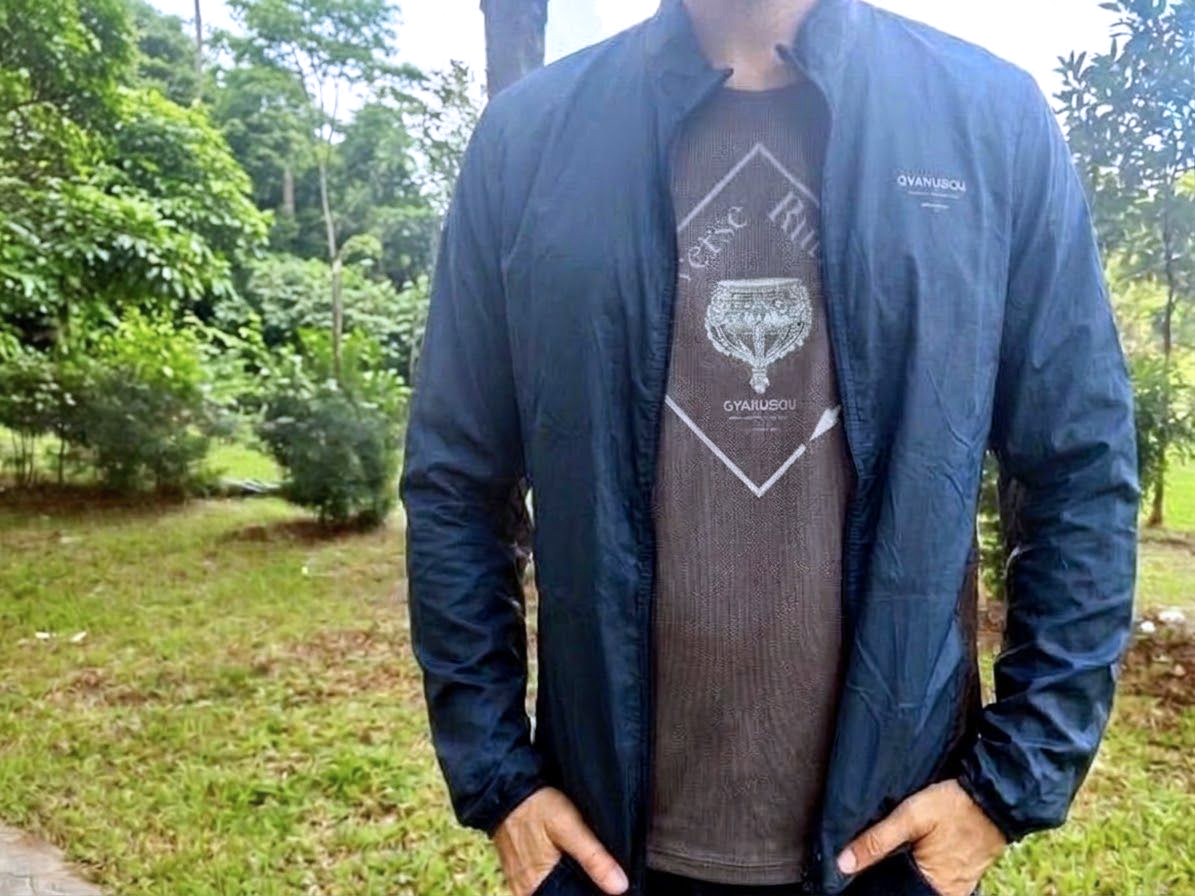
To be sure, Nike introduced their own running lines, Swift and Stride in January 2025. At launch, the Swoosh described the collections as “iconic”, without the passage and friction of time. It also explicitly stated that “the stylish and high-performance men’s and women’s collections take the guesswork out of gear to help runners look good, feel good and perform at their best”. In marketing, declaring yourself “stylish” is the fastest way to prove you aren’t. Once a brand starts explicitly claiming stylishness, it has usually already lost some confidence in the product’s ability to communicate on its own. A joke, for example, either lands or it doesn’t—no one needs to tell you it is funny first. It’s the same for garments. It either carries aesthetic conviction or it doesn’t. That’s why Gyakusou appeals to us. In many ways, it was almost anti-marketing. Some collections looked downright peculiar at first glance. The colours could be strange. The seam lines were not always conventional. The silhouettes were not always obviously flattering. Yet over time they acquired authority because they felt observed and considered. We sensed there was a mind behind them.
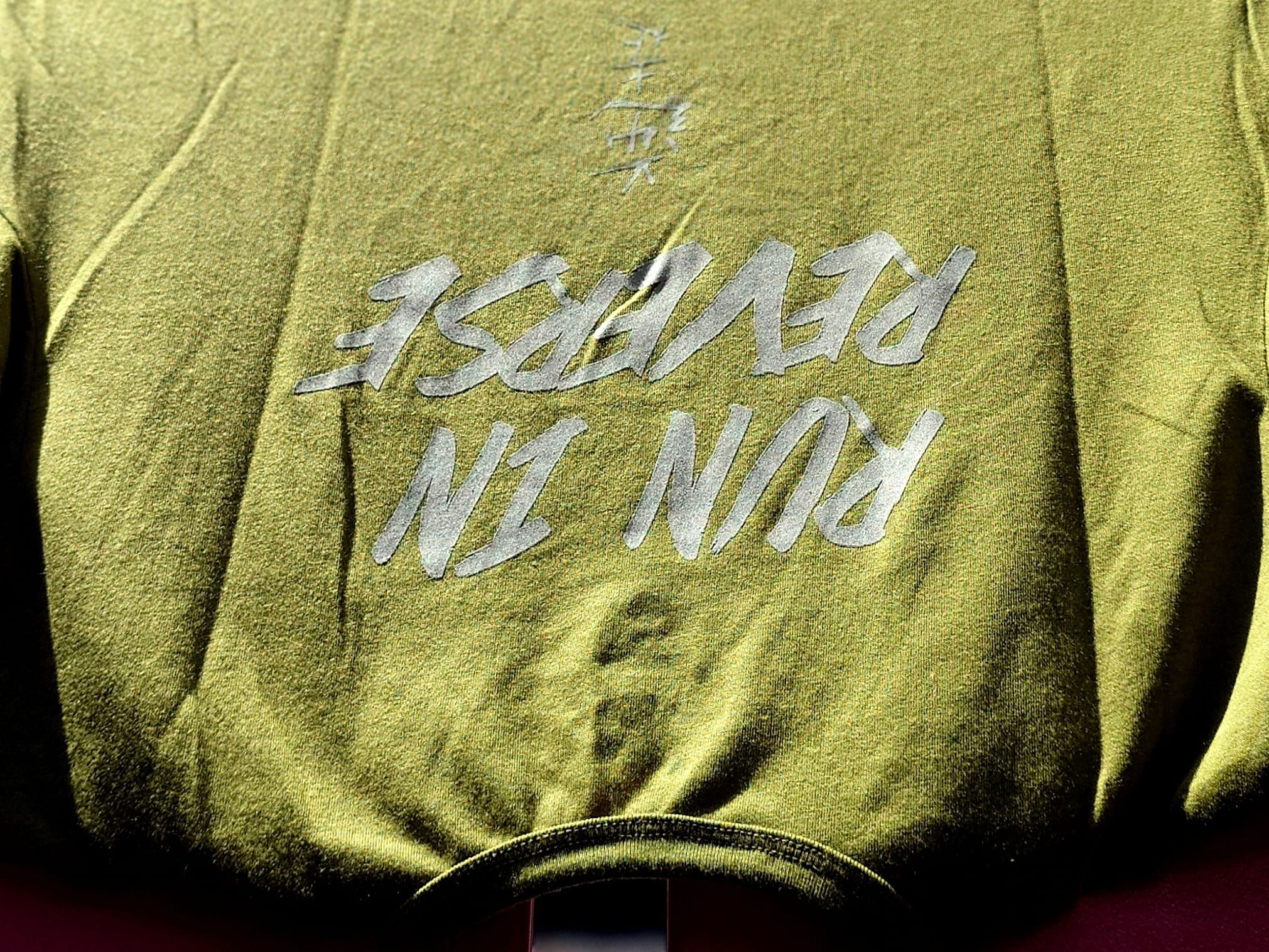
The birth of Gyakusou is really more interesting if it is viewed less as a Nike product and more as a runner’s project that happened to find Nike as its manufacturing partner. This distinction is crucial. Most collabs in sportswear begin with trying to make athletic apparel fashionable. Nike’s own partnership with Martine Rose—off to Balenciaga—is one. Conversely, Gyakusou commenced with a different premise. Jun Takahashi, a casual-jogger-turned-dedicated-marathoner, began with: I run. The clothing I want doesn’t exist. The real origin is not Nike; it is Tokyo’s popular Yoyogi Park, where Mr Takahashi is known to train. The name itself comes from the Gyakusou International Running Association (GIRA), Mr Takahashi’s running group. Gyakusou (逆走) literally means ‘running in reverse’, a reference to running the circuit in the opposite direction or against the established flow of traffic. He and friends started with short runs of about 3km before gradually building up to marathon training. Around 2010, running became a serious part of his life.
This is fascinating to us because their relationship with running is not athletic spectacle. It is not runners who use the MBS skyline for ever more selfies. It is action that paces from repetition to meditation. And that is what Gyakusou seemingly projected, not victory, not podiums, and definitely not Just Do It. Aesthetically, we feel the clothes had more a whiff of Kuramae than Yoyogi. The clothes were not inclined to communicate the kind of cosmopolitan park-running imagery that Western audiences often associate with urban running. This was not a Saturday jog through Central Park or Hyde Park. There is something far more introspective about the designs. Again, it was not designed to serve as a signal that you are an urban runner. The garments often feel as though they were designed by somebody who couldn’t stop tinkering with a problem rather than somebody conducting market research. That’s very different from traditional Nike, a celebrant of the faster, the farther, the stronger… the winner.
If Nike had nurtured Gyakusou continuously from 2010 onwards, perhaps it would not be in such a dire lack of cool that it is now. What makes it especially awkward is that the market has spent the last five years validating many of Gyakusou’s instincts: running as a serious cultural practice rather than a flashy fitness activity. Funnily, the market didn’t move away from Gyakusou, but moved towards it. At On that afternoon, it was also a pleasant seriousness with a knowing nod. That’s why the relaunch carries a faint scent of desperation. There is also irony: Nike spent the last few years trying to recover cultural credibility, while one of the most credible things it ever made was sitting in its own archives, carrying that unmistakable Tokyo sensibility that never remotely felt like a manicured-Western-park run, no matter how many lookbooks were photographed in Yoyogi. Gyakusou always felt like a runner who stopped for coffee in a tiny neighbourhood café after a run, then off to a bakery to buy shio pan, and then disappeared down an alley to go home before anyone noticed. That’s much closer to lived experience than the stadium-lit heroism Nike loves to sell.
Photos: Jim Sim

