Only once he is gone will his legacy finally be allowed the interval to become history rather than a current event
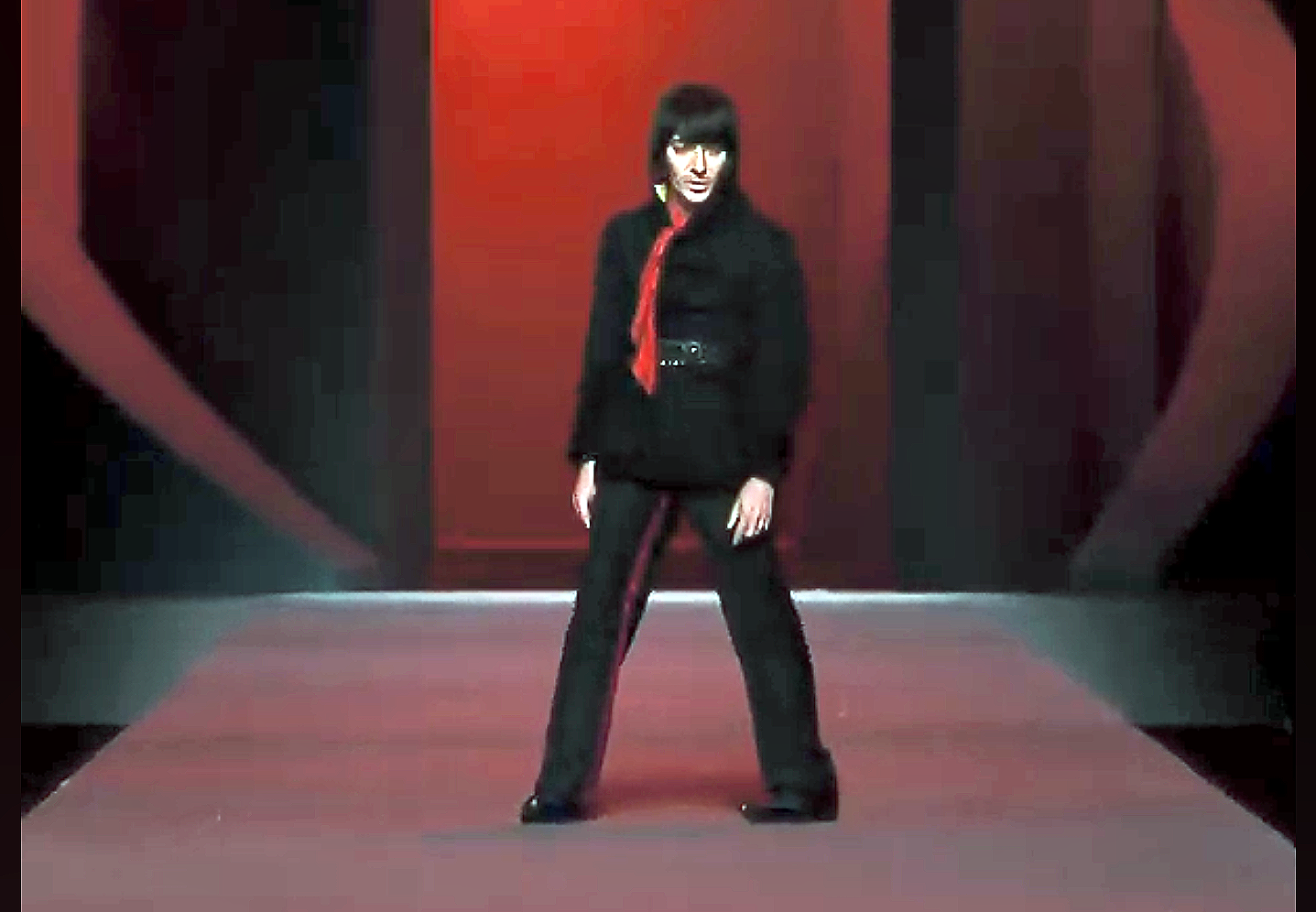
John Galliano at his last Dior couture show, 2010. Screen shot: alexeicrombez/YouTube
Death is the ultimate solvent of scandal. Once the offending figure is gone, institutions can stage retrospectives with the alibi of historical interval. The corpse provides cover: the artist can no longer offend anew, no longer tweet, no longer drunkenly rant. The offense becomes finite, sealed in the past. Curators can reframe it as “context” rather than liability. Unfortunately for John Galliano, the subject of the next Costume Institute’s flashy retrospective in May 2027, he is too hale and, as we well know, too alive. The Met is now accused of the cultural coronation of a bigot. But on permanent display at the museum’s Gallery 620 are Caravaggio’s The Musicians and The Denial of Saint Peter. In fact, other than at the Met, the paintings of the Italian Baroque master are much celebrated in museums across the world, including the Louvre in Paris. Caravaggio (aka Michelangelo Merisi) was a convicted murderer.
A world-renowned museum proudly displaying the works of a homicidal convict while agonising over a designer’s drunken outburst is such a modern conundrum. The difference: Caravaggio is safely dead; John Galliano is inconveniently and apologetically alive. So Caravaggio’s murder is mythologised while Galliano’s antisemitic tirade remains radioactive. The dead scandal, you see, is inert, but the living one risks recurrence. It is the politics and bias of time. One can be neutralised, the other must remain in the present. Together, they create a strange double standard. Ultimately, canon formation is less about ethics, even morals, than about chronology. Would Galliano’s retrospective, therefore, be palatable only once he’s gone, because then the industry can safely mythologise him as troubled genius rather than ethno-religious affront? Today, we expect the museum to be not only the temple, but also the tribunal.
A world-renowned museum proudly displaying the works of a convicted murderer while agonising over a designer’s drunken outburst is such a modern conundrum
But the murderous Caravaggio was not an antisemite, we hear the holler in the distance. So let’s look at the work of French Impressionist Edgar Degas—he definitely was. Later in life, he was consumed by virulent, public antisemitism, culminating in the infamous “Dreyfus Affair”—a Jewish army captain—Alfred Dreyfus—was falsely accused of treason. Mr Degas sided with the rabidly anti-Jewish right wing. He began loudly proclaiming his hatred, cutting off lifelong Jewish friends like the painter Camille Pissarro, and demanding that Jewish models be banned from his studio. He even fired a model on the spot just because she expressed doubt over Dreyfus’s guilt. But Musée D’Orsay in Paris, not only holds the largest collection of Degas (including La Classe de Danse), it welcomes people from all over the world to come and marvel at the painter’s serene depiction of delicate ballet dancers and their airy tutus. So does the Met—it possesses an extraordinary wealth of Degas’ works, largely built upon the historic 20th-century Havemeyer collection.
Are a violent criminal and an ideological bigot more forgivable? Have we not also absolved syphilis-stricken paedophile Paul Gauguin for taking underaged “native wives”? Or cruel misogynist Pablo Picasso, who described women either as “goddesses” or “doormats”, famously watching two of his lovers physically brawl in his studio while he painted Guernica?;Yet, John Galliano cannot be condoned; he does not deserve a retrospective for he is not dead enough. And one more crucial difference is that Mr Galliano is not an artist. The world has largely not acknowledged fashion as art and designers are routinely denied the recognition as artist. Fashion is in an odd—actually, vexed—corner of culture. Art has always been thought (and taught) as the apex of human expression, but fashion is often seen as frivolous and flippant; a folly. The irony is that the Met themselves perpetuate this divide: they canonise painters despite atrocity, but, while they support designers, they are at the mercy of a society that readily forgives monstrous behavior if the perpetrator held a paintbrush instead of a tailor’s chalk.
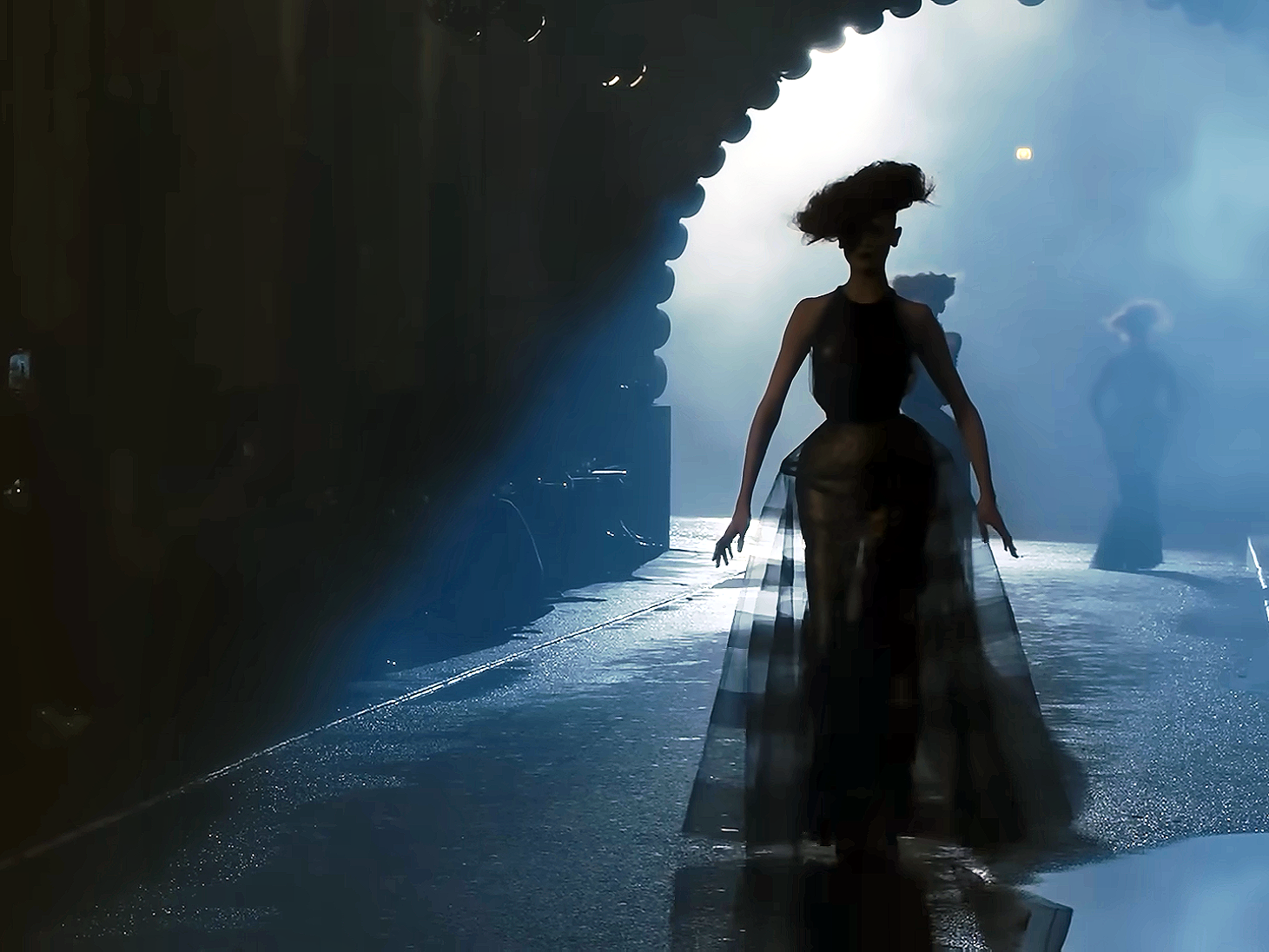
John Galliano’s last Maison Margiela ‘Artisinal’ show in 2024. Screen shot: maisonmargiela/YouTube
We now have our answer. We did not even need to wait for Mr Galliano to pass. Hours ago, before a single dress could be mounted or a single gallery plaque drafted, the Metropolitan Museum of Art announced that John Galliano: Horizons has been entirely cancelled. Mr Galliano himself shared on Instagram: “After much reflection and discussion with The Met and all those involved, I have decided, with great sadness, that it is best for the exhibition not to take place at this time. I do not want the debate surrounding me to place the Met in a difficult position or to distract from the remarkable work of the Costume Institute.” That it has to come to this is hardly surprising if we consider the crushing weight of public pressure and algorithmic outrage, as well as The New York Times article, titled “Critics Blast Metropolitan Museum’s Plan to Honor John Galliano”, detailing a mounting crisis of institutional panic. That wasn’t just the last nail in the coffin; it was the funeral wreath too.
The living sinner was forced to step back, choosing self-exile over putting the institution in the line of fire. Degas and Caravaggio keep their places on the museum’s walls because the grave has granted them immunity. Galliano remains barred because he breathes. On that IG post, he stated, again: “I remain fully accountable for the pain caused by my words in the past, particularly the hurt I caused to the Jewish and Asian communities, and I remain deeply sorry for it.” There is no way, it seems, that, in America, anyone can work their way back from a profound moral failure. The cancellation of the John Galliano retrospective confirms the bleakest cultural reality of today: a contemporary museum can abandon the curation of history in service of managing real-time police blotters and cancel protagonists. Until an artist is safely cold in the earth, the tribunal never adjourns. Fashion is, ultimately, not art.

