The Singaporean department store has reached its natural retail conclusion, belatedly. Or has it?
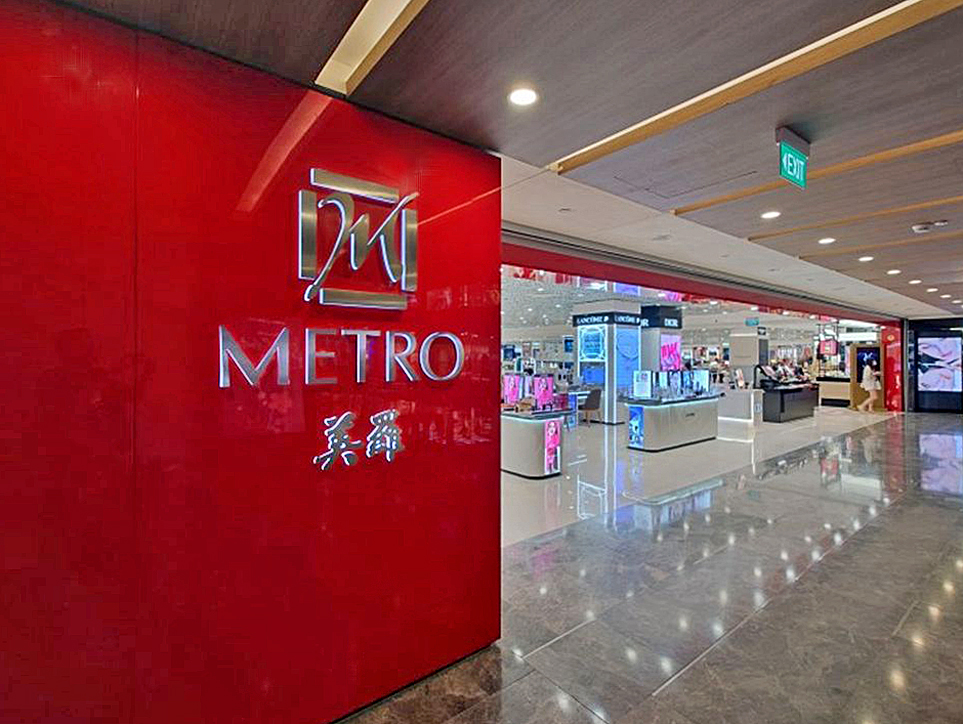
Around the Lunar New Year of 2025, industry chatter suggested that Metro Paragon would be getting a makeover. Seventeen months later, we learned from the media that Metro will be shutting down their remaining two department stores here: one at Paragon after a 39-year run and the other, at Causeway Point, where they operated for 28 years. According to The Straits Times, the closure will take effect when the leases for both stores expire. No timeframe has been established. Further details have not been released by Metro or media coverage. Whether reporters did not ask or were denied the information remains unclear. ST stated that the decision to close both stores followed “a strategic review of the group’s retail business.” There was no mention of the conceptually-thin state of the stores today. In a regulatory filing with the Singapore Exchange (SGX) on 20 July, the mainboard-listed entity reported that they are “evaluating a range of other retail formats, including smaller-format stores, multi-speciality concept stores, curated retail experiences and pop-up store initiatives.”
And that evaluation was further strengthened when Metro suddenly shared a four-slide post on their Instagram page at 3:00pm today, stressing: “Metro retail is here to stay.” They provided no-gimmick assurances that both their Paragon and Causeway Point stores are “open as usual,” while urging followers to “watch what they’re building next.” In the comments, they added: “Okay yes, the headline got everyone talking. Plot twist: nothing changes for you right now,” effectively soothing their remaining customer base with the promise of the status quo—at least for the interim. The post closed with the kicker: “There’s more ahead for our retail journey,” it assured, then teasing: “We’ll spill the details when we can… we’re not going anywhere yet.” This is textbook holding pattern. In corporate speak, the word “yet” acts as a temporal safety valve—a convenient hedge that keeps everything normal while the clock runs down on their leases. “Nothing changes for you right now” is not really a commitment to the future; it is a tacit admission that there is no plan for it, yet.
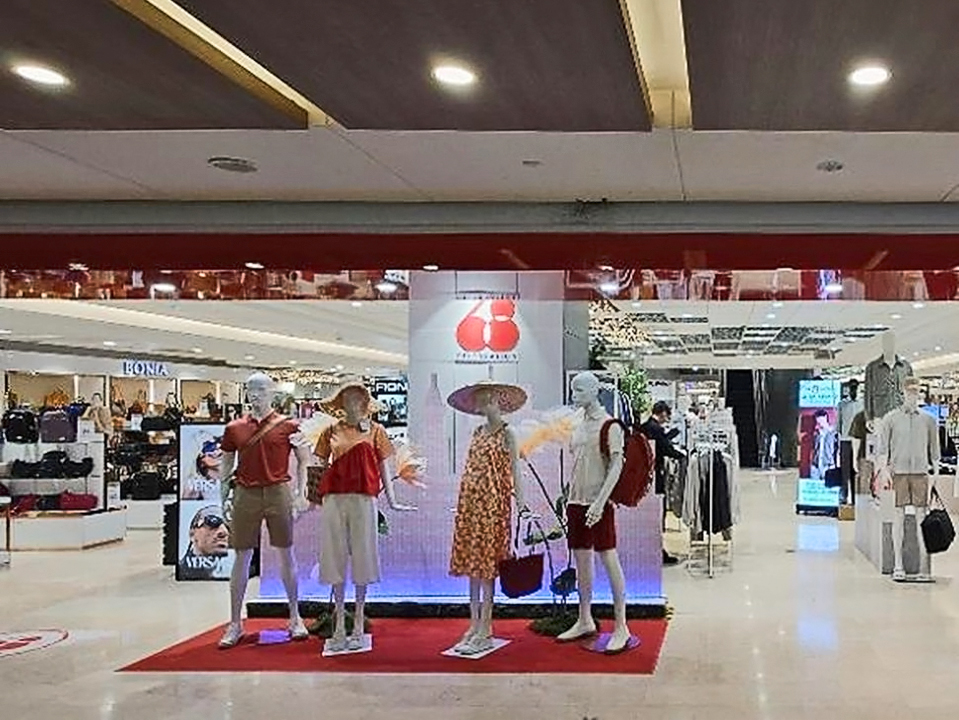
That post may be an invitation to fixate on a phantom future while the store’s physical reality continues to decline, yet we cannot help but look back at the Metro that we once knew. The options of prospective “smaller-format stores, multi-speciality concept stores, curated retail experiences and pop-up store initiatives” brings to mind the kind of bold retail moves the store hasn’t had the strategic imagination to pull since 1987, when they opened in the new Marina Square. Three years later, the brand unveiled Metro Studio, a store-within-a-store concept curated for a younger audience. The ‘studio’ extension of a main brand was pioneered by Tangs when they opened in 1988 the multi-floor Tangs Studio (also known as Studio Tangs) at the old Scotts Shopping Centre (demolished in 2007 and was rebuilt as Scotts Square). In the early ’90s, department stores realised that they could no longer just sell goods; they had to sell an image. As is the case today, it was the youth who remained the most image-conscious demographic. Metro Studio adopted the Tangs Studio model with notable efficiency, successfully repositioning the concept for a more accessible and younger audience. After they opened their Far East Plaza store in the ’80s, Metro dipped its toes into the youth market, effectively catering to the Far East Plaza Kids—that inevitable, post-Centrepoint sequel that proved back then, if you build a mall, the teenagers will come.
But, perhaps, their boldest move was backing a retail concept that did not include the Metro name—SA.GA. In 1992, the multi-Asian-label store was launched at Park Mall (once Supreme House) with a reported capital S$9 million (or about S$16.23 million today) seed money by Metro. SA.GA sat above Style Singapore—a 1990s predecessor to DORS at Design Orchard concept—which, interestingly, carried collections by veteran designer Thomas Wee, much like its earlier, bolder counterpart. It was the brainchild of Alan Koh—a former Hemispheres collaborator with Dick Lee, from 1985. Mr Koh introduced SA.GA to the media as “the world’s first”. Metro’s then director of projects, Ong Jin Seng, told The Straits Times: “Unlike the present concessionaires in our department stores, we do not control the merchandise or the prices at SA.GA.” In fact, the designers showing in the space were very much left to their own devices when it came to stocks. That seemed to suggest that designers showcasing in the space were largely left to manage their own inventory, a hands-off approach that proved operationally fatal. SA.GA closed just eighteen months after it opened. Metro took back the space and converted it into a “factory outlet”.
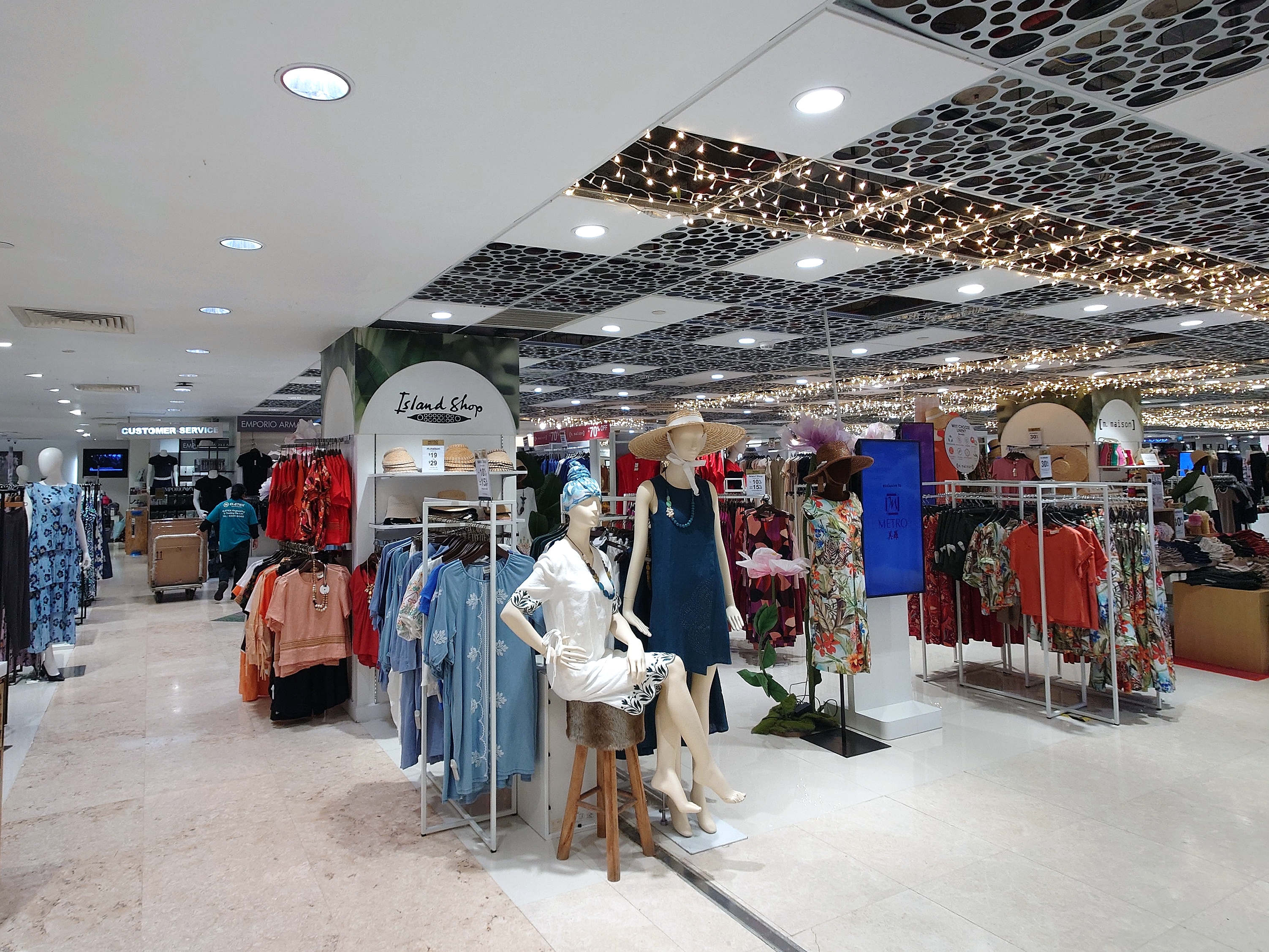
Metro has not always been more comfortable as a volume-driven merchant than as a curator. Back in 1978, there was Metro Grand at Lucky Plaza, touted as the “first high-end” department store. They flexed their retail might by introducing luxury European names: Cartier, Givenchy, Yves Saint Laurent, and legendary high-fashion footwear brand Charles Jordan. Apart from the luxury brands, the store included trendy ones, such as the Italian pop-fashion label Fiorucci, brought in by indie retailer Leslie Goh who would go on to co-found streetwear store Scandal—also in Lucky Plaza, which, at the time, was far more atas—in the early 1980s to specialise in niche, alternative European and Japanese street fashion, eventually expanding to its sister store, Shoot. Ms Goh’s strategy was to double down on that subculture footprint, to expand the universe, and Metro wasted no time to freeing up space for her quirky Fiorucci merchandise. This was happening at a time when department stores such as Isetan brought Japanese heavyweight Kanzai Yamamoto into the local market. Multi-label indie stores spotlighting more Japanese labels include Banzai at the Hilton Shopping Gallery. Metro Grand understood mutli-specialty; they were in the thick of things.
In 2009, after 31 years of Metro Grand, the store decided to close and exit Lucky Plaza altogether. By the 2000s, Lucky Plaza had evolved away from being an upscale Orchard Road mall into a centre focused on remittance services, mobile phones sales, discounters, and businesses serving the Filipino community. That changed the mall’s retail profile considerably. Although Metro did not publicly state that this was the reason the flagship Grand store closed, the writing was on the wall for years. Lucky Plaza was looking less a home for legacy retail. It was around CNY last year that rumours began circulating that Metro was exploring the possibility of bringing Metro Grand back by refurbishing the Paragon Store. That would be a seamless alignment with the mall’s elevated pedigree. So serious they were about a comeback the store’s merchandisers reportedly already sat down with a few former collaborators, including Peter Kor, the designer behind Metro’s highly successful ’80s in-house line Bianca, to start sketching out the next chapters for the store, effectively consulting the architects of their own glory days. But rather than chasing the high-stakes magic of the ’80s, the leadership now appears to have prioritised a consistent, low-risk path, ensuring the brand remains reliable rather than revolutionary.
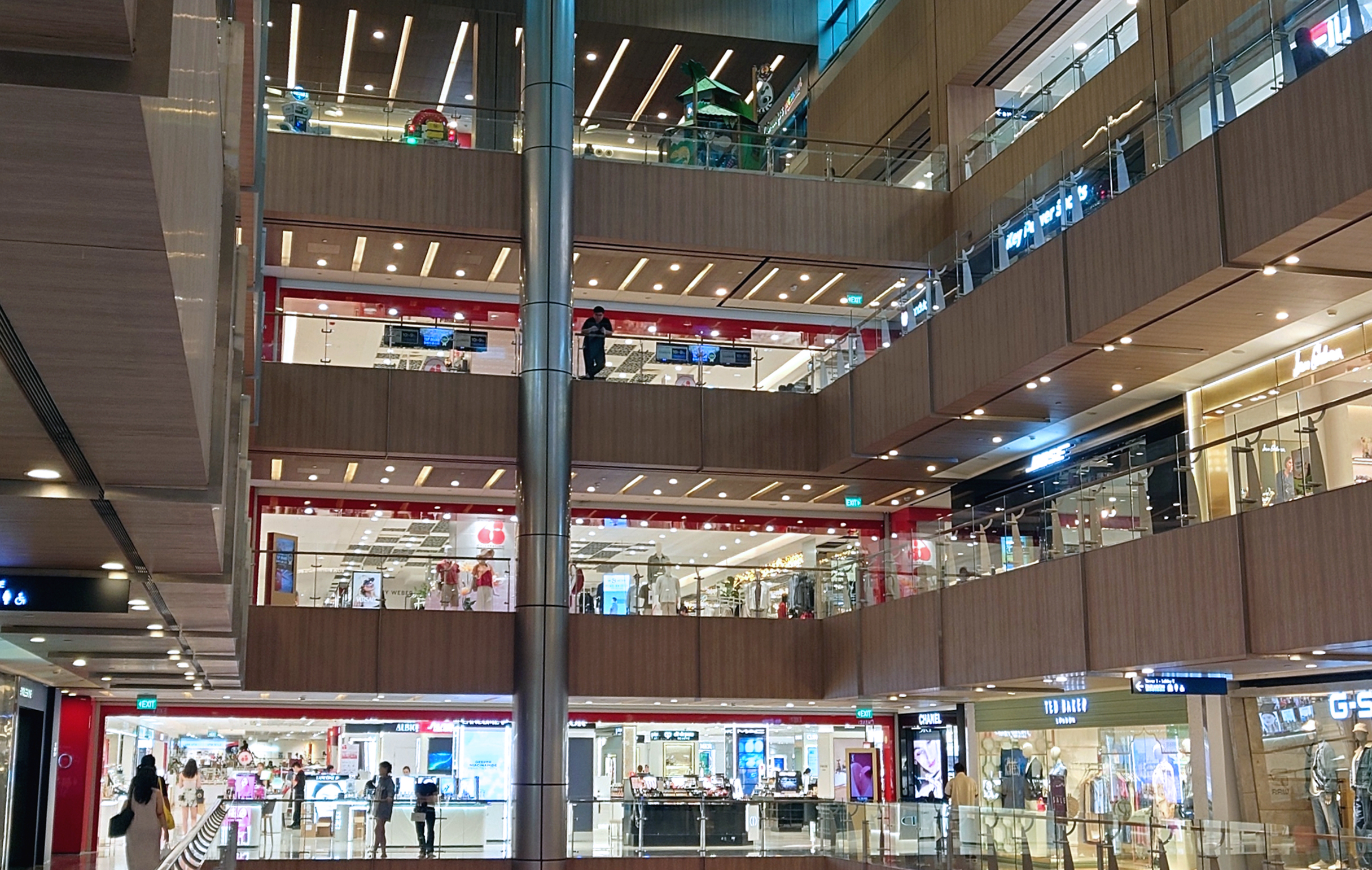
Metro Grand may not be resuscitated for now, but the Grand name lives on. In January this year, Metro Holdings set up Grand Brands Asia (GBA), a new brand‑management arm, created to bring international lifestyle and fashion labels into Singapore, much like the Tokyo-based, GIC-linked The Sazaby League. GBA will select, manage, and introduce contemporary international retail brands into Singapore. As of now, no brand has been publicly announced, but the direction could pace the way for “smaller-format stores, multi-speciality concept stores, curated retail experiences and pop-up store initiatives”. If Metro should depart, it follows a growing trend of department stores yielding to shifting consumer habits. As shoppers increasingly favour the targeted appeal of specialty boutiques and digital convenience, and the lure of retail in JB, Metro’s traditional generalist model faces a challenging disconnect from modern expectations for curated and experiential retail.
Although asking a Singaporean to separate Metro from the department store game is no longer like asking them to give up air conditioning, Metro and Singapore department stores go together like retail therapy and maxed-out credit cards. The reality is that Metro lives in the nostalgic realm of Singaporean minds: often remembered, infrequently visited. Out of the ten people we spoke to today, none have visited the store in the past year, not even once, but all of them were aware that there is a Metro at Paragon, However, eight did not know of the Causeway Point presence. One of them, an art teacher, said: “I used to go to Metro when they were at Centrepoint to buy homewares, but not anymore. Taobao is more convenient for me now. Pinduoduo too.” At the Paragon store this afternoon, a couple who live in Jalan Eunos told us that they were at the store to buy an iron. “My daughter told me to get it online, but shopping online gives me a headache.” When Metro promised that the store “is here to stay”, were they really speaking to the art teacher or the couple. Or were they smiling at their shareholders? For those who remember the Metro that dared to define the era, this looks less a retail journey than an elegant, well-managed retreat.
File Photos: Chin Boh Kay for SOTD

