It is truly marvelous that a storied couture house can see familiar clothes inducing an emotional high
Modern marketing has devolved into a frantic exercise in throwing glitter at the fires of deadstock destruction and hoping the resulting glare blinds the consumer to the smoke. When that does not work, brands dig into linguistic inflation. Dior just showed their men’s spring/summer 2027 and on their website a short description appeared below the video of the event: “An exercise in new perspective, reinvention and the euphoria of recognition.” Couture is a serious business. Who knew it’d serve as comedy, too? Gone was our composure; we burst out laughing. “New perspective”, maybe. “Reinvention”, perhaps. But that surge of identifying the familiar? We have never experienced that high. When a house is forced to issue show notes that rely on such bloated, abstract jargon, it’s usually the clearest indicator that the actual product—the clothes themselves—won’t be doing the work it needs to do. And if the collection were truly a successful exercise in “new perspective”, we don’t need to be told. It would be clear for all to see.
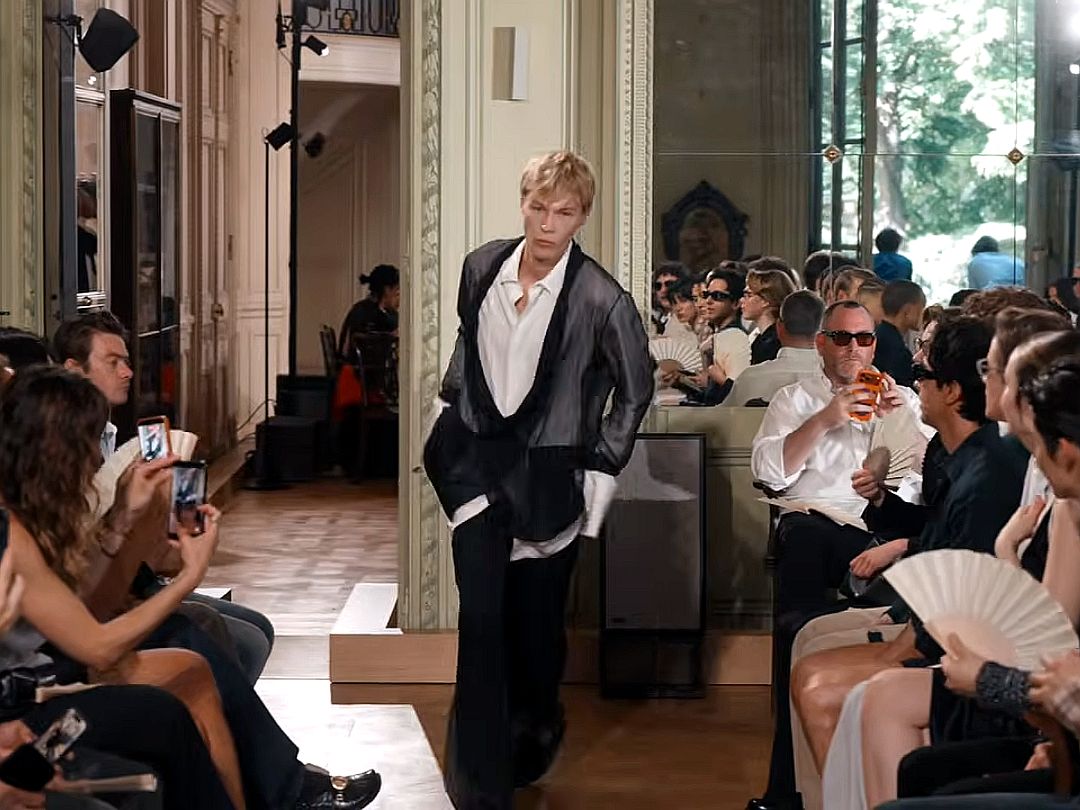
It has not been a favourable outset for Dior this season. Two days before their scheduled afternoon slot, the maison announced that they would move the presentation from 2.30pm to 9am, which is an unusual hour for Dior. Morning was now preferred as Paris was experiencing (and still is) one of the hottest commencements of summer, with daytime temperatures hovering around 39°C. When the guests arrived at the Musée Nissim de Camondo, next to Parc Monceau, AccuWeather confirmed a 29°C reading for Paris, with a Real Feel of 31. Guests seated indoors and in the garden waiting for the show to start were frantically beating the air with the white paper fans (in Asia, used only at funerals) provided, possibly wondering if Jonathan Anderson’s third menswear show would see him find his footing. As the presentation began, the model that opened it had not. He walked down a spiral staircase, bounded forward, saw a side table, removed something that looked like a smartphone (but could be a music player) and pulled an available cable to it. Music came on, he jived forward, only to nearly trip less than five steps down the runway (photo above). The third time’s a charm?
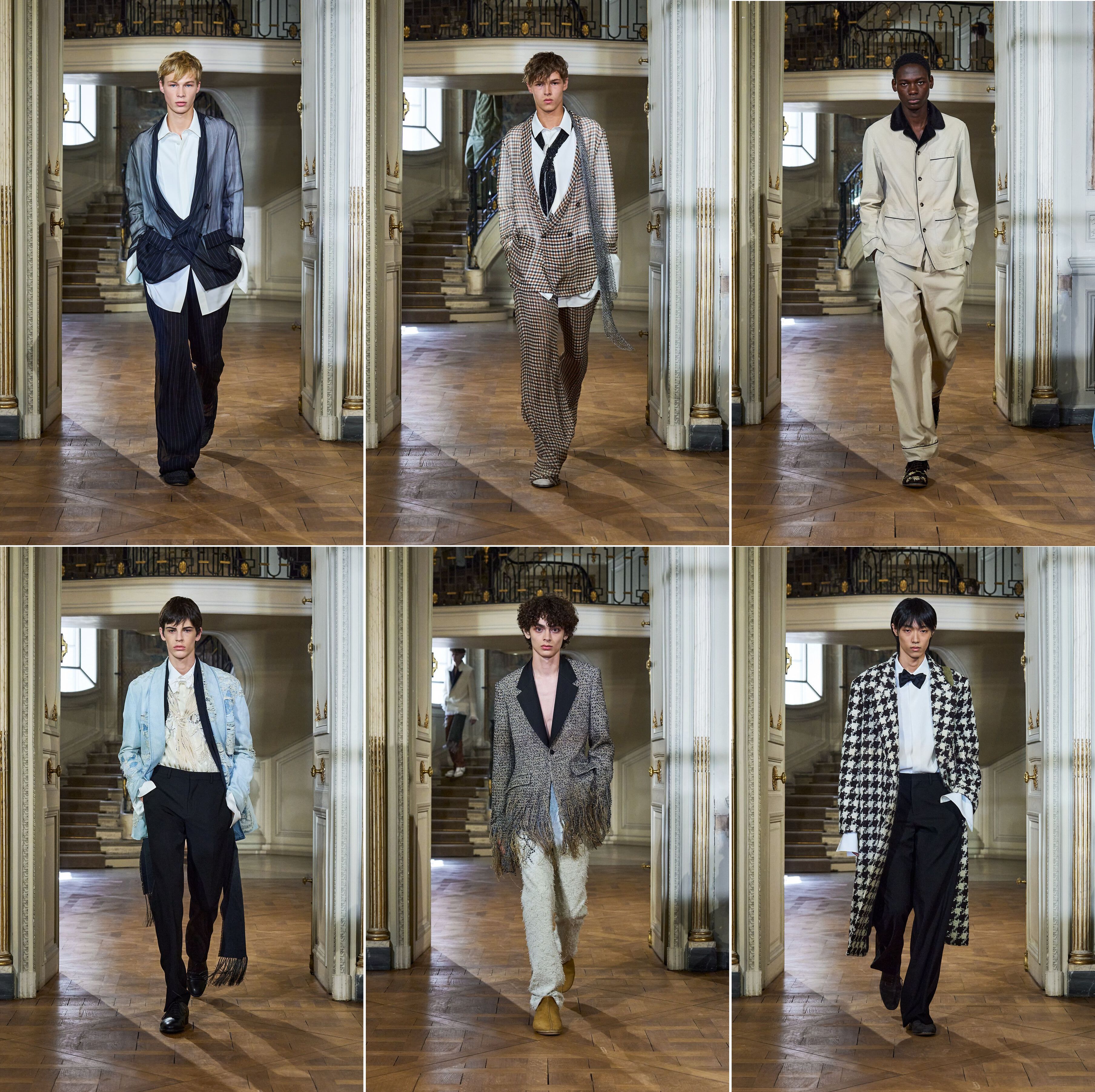
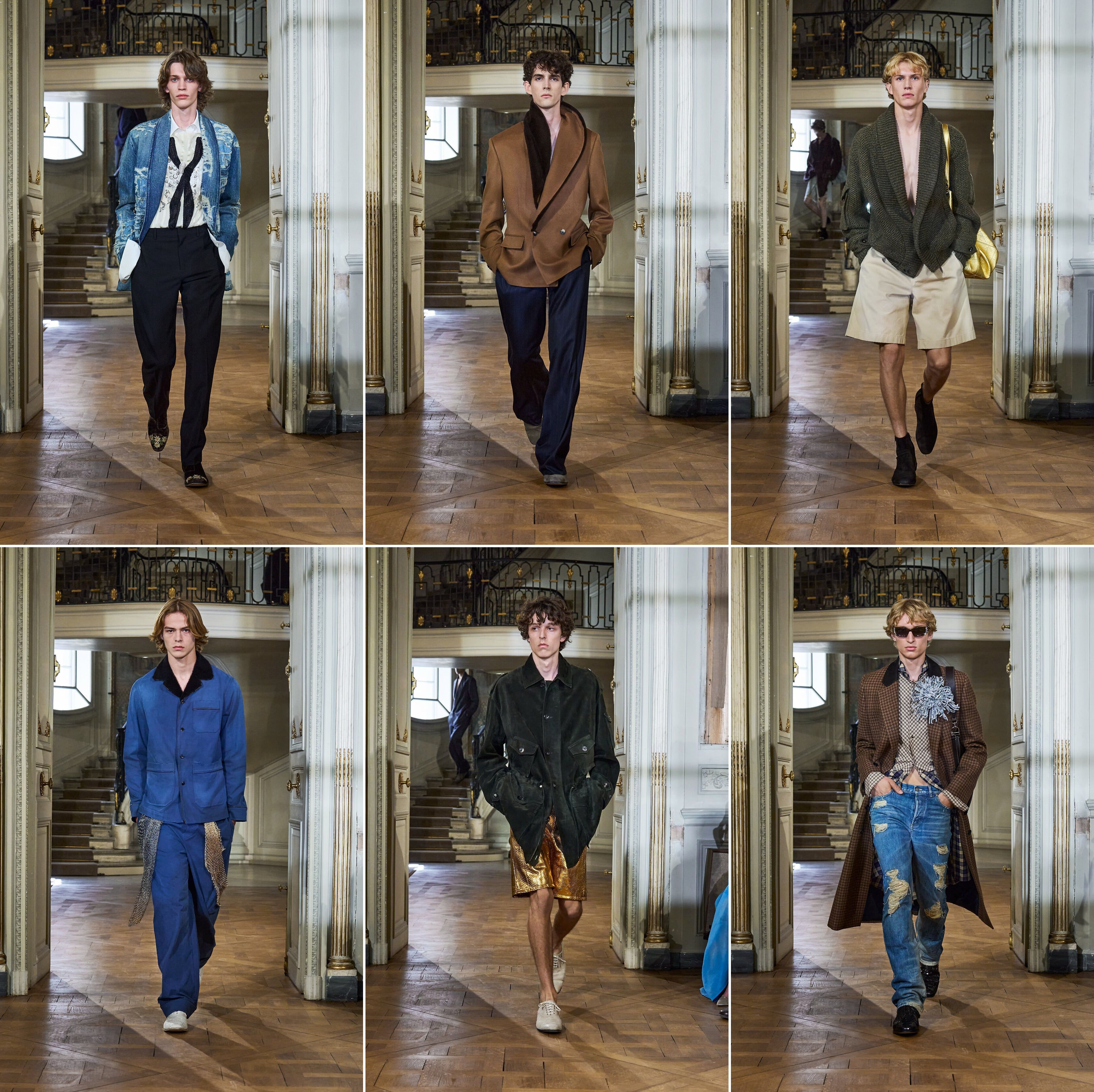
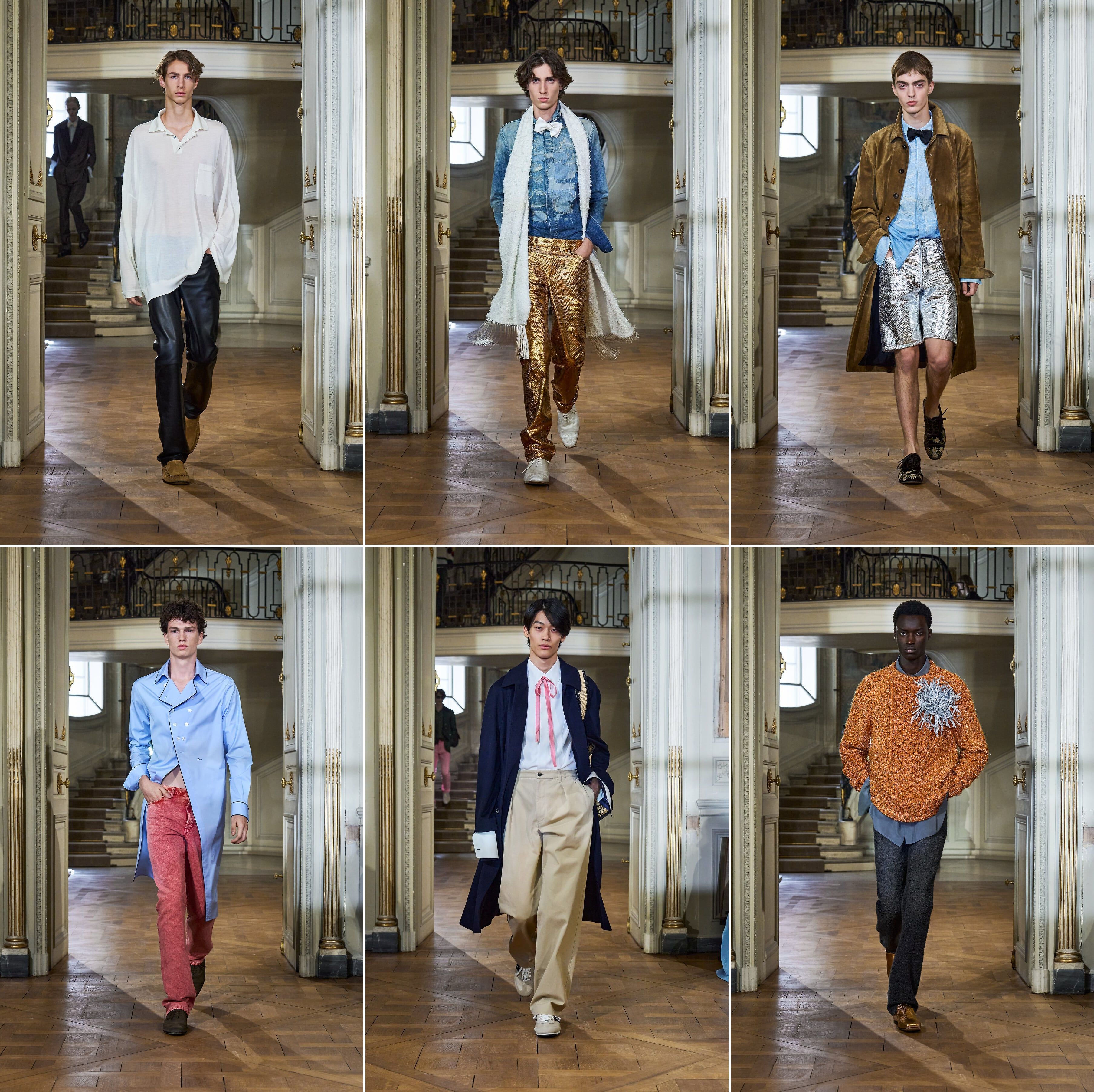
The slightly inauspicious start of a “modern-day flâneur” stumbling aside, we sensed a fragility prefacing the “euphoria” narrative. And it is reflected in the clothes. These were not the immaculate threads that one tends to associated with Dior. Johnathan Anderson could have been first to the Clignancourt flea market, then to the atelier. There were military pieces, work wear, fisherman sweaters, gold or silver metallic shorts, Gap-style chinos, and many ripped denim jeans. Despite the heat, Dior, like stable mate Louis Vuitton, showed almost all layered looks, as if spring overstayed its welcome. But, admittedly, the layering was less heavy-handed. Yet, Mr Anderson sent out only one top worn singly—a white, pullover-shirt, adopted like an old djellaba. There was an undeniable slouchiness to the collection (even tuxedos were “relaxed”), an ease that was too calculated—six rounds of edits?—to be effortless. Online, Netizens sussed out the party flavour of the clothes, saying how ready they were for clubbing. Did they not say that too about Demna Gvasalia’s Gucci last season? Do clubs keep their coat rooms open in summer? Would they make an exception for an “exercise in new perspective”?
On their own, bereft of a stylist’s touch, the clothes were familiar, as Dior knew they would be, which, therefore, required the foreword. But what state of intense happiness did the collection induce? Placing Dior’s estival delights that were borderline-boho and karang-guni-man-relaxed inside a mansion that continues to serve as a monument to precise, aristocratic interior design creates a very specific kind of dissonance. It was almost as if the environment was meant to act as an anchor, not just backdrop, or, perhaps, an indictment of the clothes. Which may also explain why, pre-show, the camera lingered lovingly at the interior details and fixtures. In a space defined by the rigid, layered history of the Camondo family’s art collection, the slouchy silhouette may look contemporary, but was, ultimately, slack to the discipline of the surroundings, including the gardens. The first model’s stumble against this backdrop was, therefore, jarring—the human element of the runway literally failing within a space that demands historical poise. “Euphoria of recognition”—a beautiful gap between the grandiosity of the language and the blandness of the objects.
Screen shot (top): dior/YouTube. Photos: Dior

