There is the unmistakable, not-pretty Prada in the spring/summer 2027 season of the men’s collection. Is it still an inside joke or a slowly-emerging symptom of design exhaustion?
In our many years reviewing the Prada collections, we have never found ourselves reaching for ‘ugly’ to describe the clothes. Admittedly, Prada often challenged the convention of what is good taste, but they also affirmed that the opposite needn’t be an affront to style at all. Miuccia Prada had been experimenting with unconventional aesthetics and ‘wrong’ patterns and colours since her first ready-to-wear show in 1988 (and certainly with her use of industrial nylon in the ’80s), but it was the spring/summer 1996 womenswear collection, titled Banal Eccentricity, that sealed the house’s aesthetic fate. The “Prada Ugly” was born. Interestingly, it reviled very few and continued to grow stronger after Ms Prada called her aberrant proposals “the good taste of bad taste”. Later, she even learned that the investigation of ugliness was more compelling than the “bourgeois idea of beauty” as “ugly is human”. But now, with the men’s spring/summer 2026 show, we are reconsidering our semantic relationship with ‘ugly’.
In pointing to the ugliness of humanity back then, Ms Prada was not just a brand owner and a designer with a point of view, she was a seer too. The world, as we keep witnessing, has not just remained ugly; it has turned uglier. It has managed to innovate right past the dictionary’s modest definition, leaving ‘ugly’ feeling painfully underqualified and deeply insecure. It is in this climate, we suspect, that Prada has decided to bring back beauty’s opponent and crank it up so that it can be considered a design philosophy, again. It’s a reminder that Prada has never been shy of the intellectual flex: taking the very thing the modern world has not scrubbed away—the jarring, the uncomfortable, the “why would anyone wear that?”—and framing it with such insouciant confidence that the fashion crowd takes notes once more. But the latest menswear show has put us in a pickle. We have been so brined in irony and cured in paradox that trying to unpack what Prada revisiting the past really meant is an exercise in involuntary nostalgia.
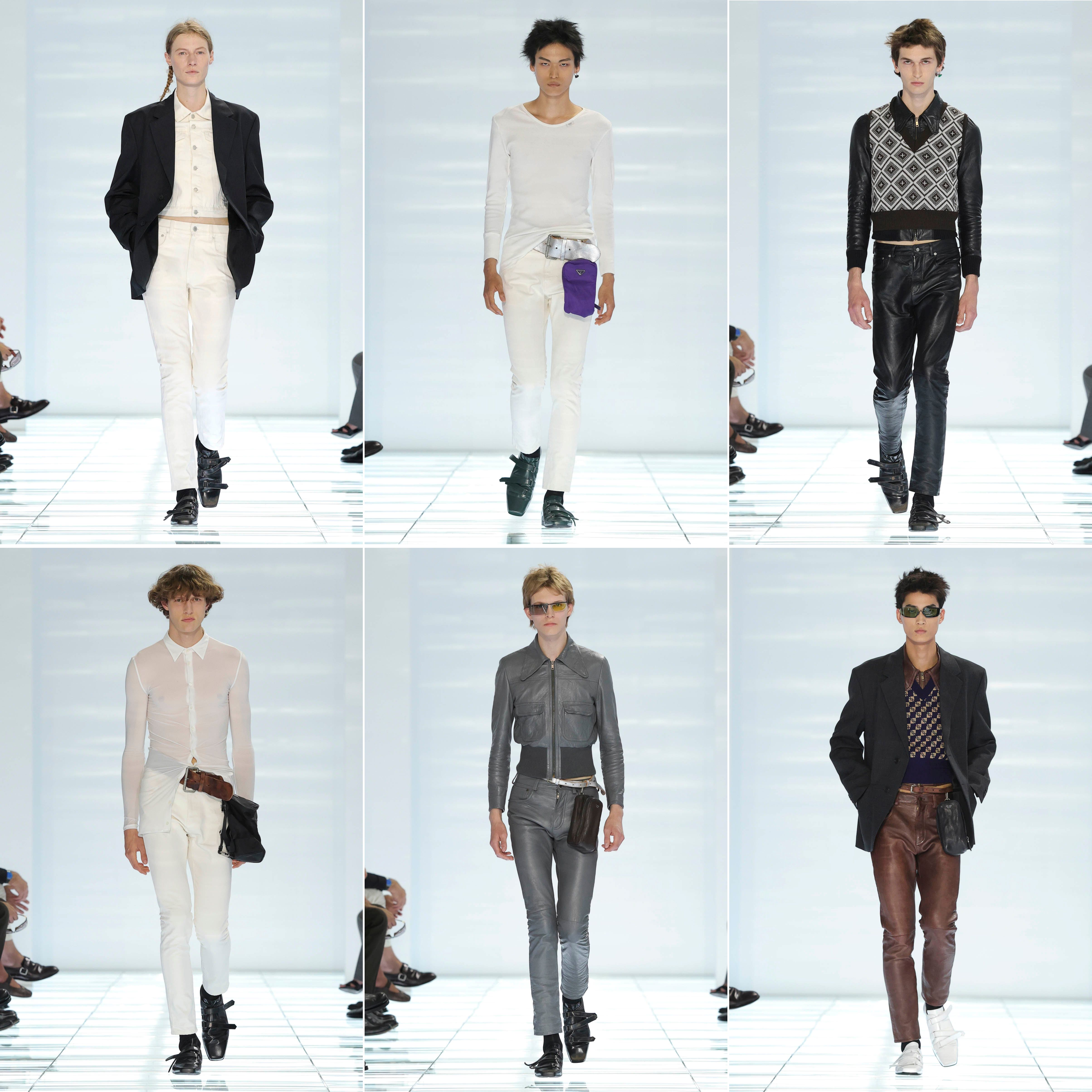
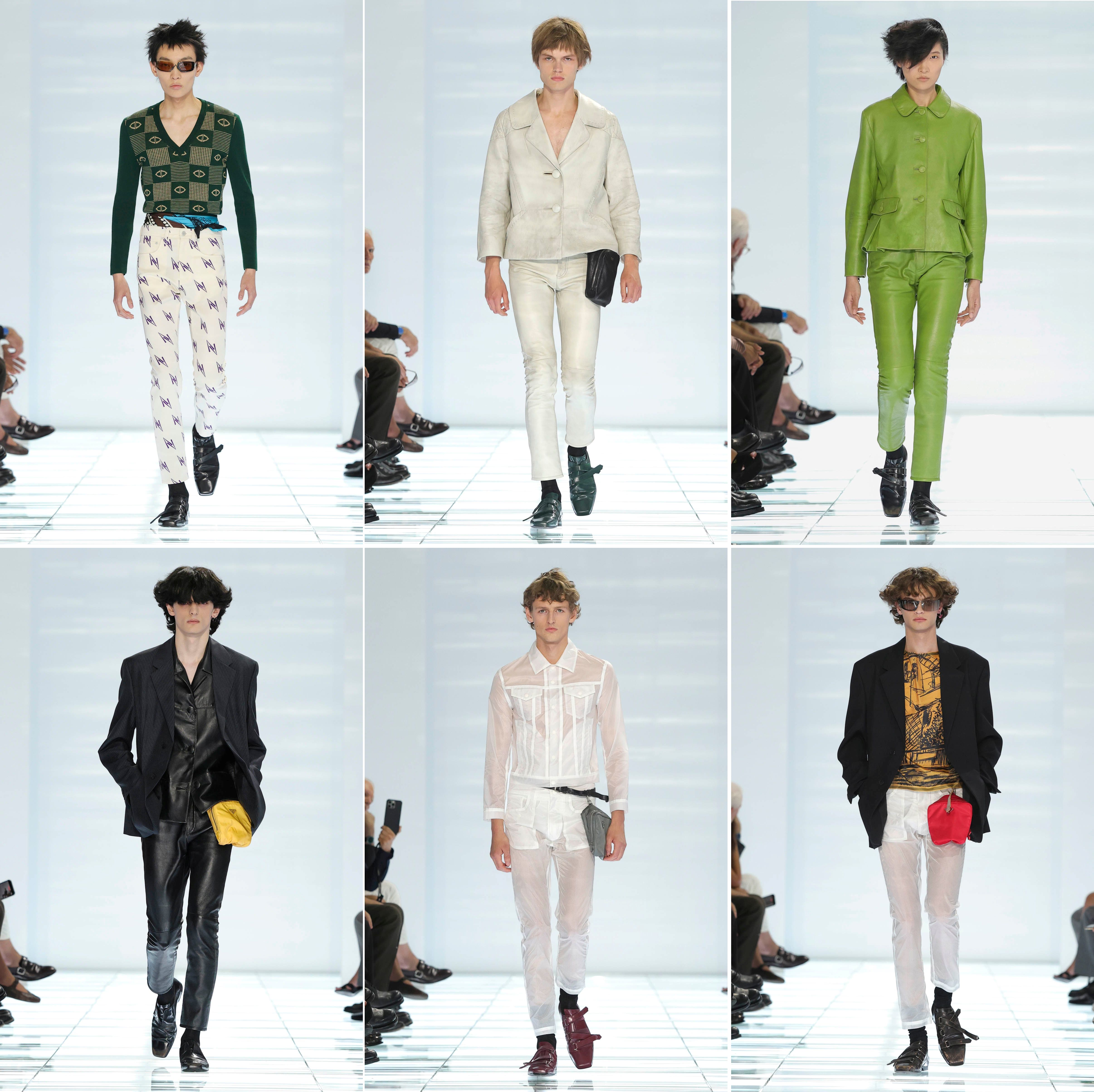
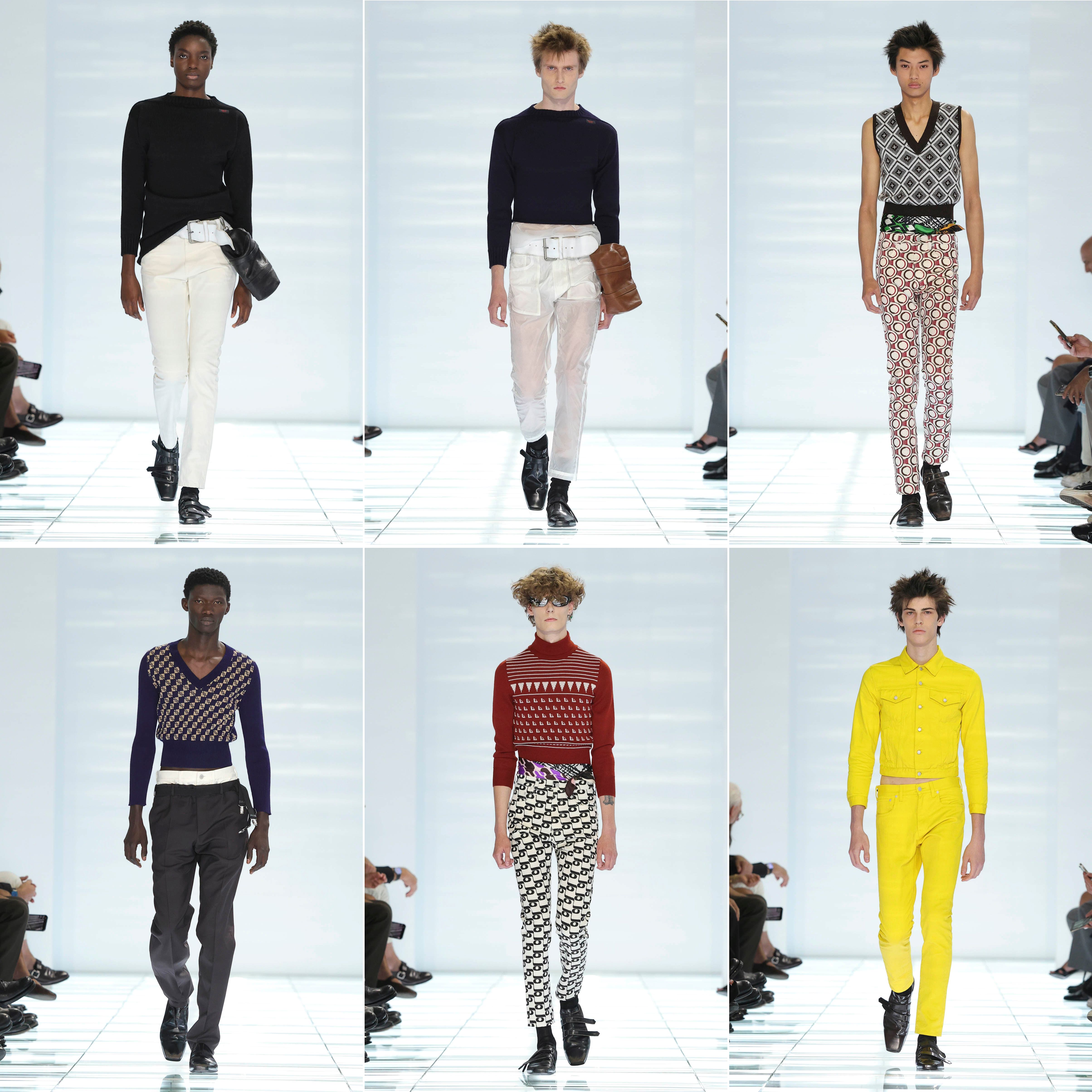
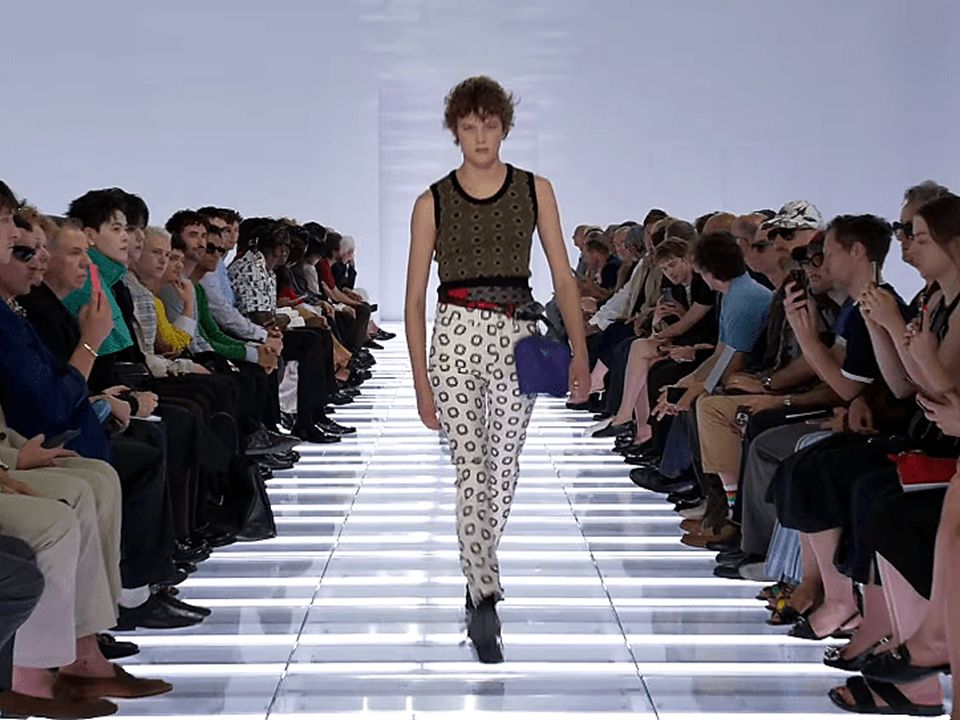
The show is tilted Clarity (which does rhyme with ugly). If the soundtrack was any suggestion of the lucid, we were certainly thrown off. It opened with vintage digital sounds that reminded us of the arcade games of the ’80s and then it moved into a short rift of what sounded like angry Van Halen guitars. And then the pounding of Repticulus and The Hafler Trio’s Anamorphosis before sweeping into Vivaldi’s Four Seasons (Concerto No. 2 in G Minor) and ending wittily with James Last & Gheorghe Zamfir’s almost pastoral Einsamer Hirte. The sonic madness was matched by the offbeat clothes. We were seeing the familiar—clothing we have reached out for too many times before and now waiting to be discarded. The shrunken grandpa sweaters, the pants of repeated vintage wallpaper patterns, the momsy jackets, the motifs that clashed with unabashed glee. Back stage, Raf Simons told the media, “Sometimes you just realise you need a good pasta pomodoro”. We appreciate the allusion to the basic, but this was not Prada cooked to a pulp. We think what was needed is pizza Margherita.
What really stood out was the overall skinniness of the collection, especially the many limb-loving jeans and leggings. They were really slender, so much so that Prada reportedly called them by the olden “drainpipes”. But this was more the Raf Simons school of the spindly than Miuccia Prada’s. The very opaque jeans soon gave way to the transparent (paired with matching sheer truckers, which reminded us of Mr Simons’s brief tenure at Calvin Klein). The aesthetical difference became less clear, but one question was not: who would wear them? Is Clarity how obviously one can see beneath the jeans? The clothes are, as Prada proposed, “an exact and highly-controlled silhouette, refined and linear, constant.” But does fashion want constant? Prada does not just sell clothes. This is ultimately what the show is about this season: the accessories. Their cases, pouches, mini-buckets, or side packs now dangled front-left, below the waist, fastened to a belt loop; some to enhance belts as wide as a milk carton. In place of the small bags were what could be abbreviated suspenders gathered to highlight the clips. To be certain, this was a show for the screen and there were lots to see. But we could not tell if there were truly new ideas or just a commitment to the essentials. Clarity is not always see-through.

