After nearly two decades inside European houses, the designer turns back to self-ownership. Exactly what the industry expected
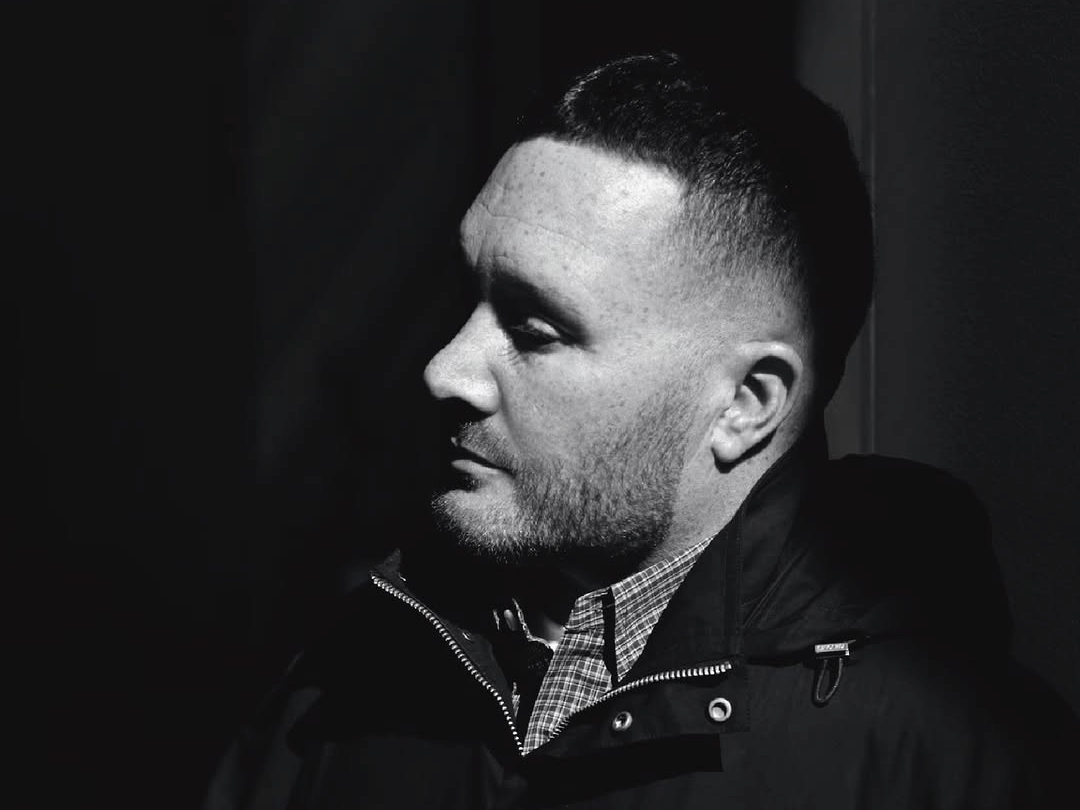
Social media is agog with excitement that Kim Jones has started his namesake label. Actually, he is reviving it. It’s easy to forget—and many have—that his own name was actually once on the label. That was in 2003. If our memory still serves us, Kim Jones enrolled in the MA Fashion course at Central Saint Martins under the legendary Louise Wilson. His 2002 graduate collection was almost entirely bought up by one famous name: not Joan Bernstein, but John Galliano. The collection was a heady brew of London clubland, boxy sportswear, and obsessive textile experimentation—precisely the kind of high-low alchemy that was beginning to take a grip back then and had seduced both the pavement elites and the luxury boardrooms. Buoyed by that momentum, Mr Jones started his own label the year after his graduation. But while his contemporaries, such as Gareth Pugh and Christopher Kane (now with Mulberry), were staging predictable runway marches, he was busy reinventing the presentation—swapping standard catwalks for art books with Luke Smalley and short films alongside Alasdair McLellan and Toyin. He wasn’t just marching to the beat of his own drum; he didn’t bother with the sheet music and couldn’t care less.
Kim Jones the label was suspended in 2008, shortly before he was hired at Dunhill, the fashion label (now owned by Richemont), not the cigarette name, although both can be traced back to one man, Alfred Dunhill. Before his tenure at Dunhill, Mr Jones was growing his fandom through his brand’s collaboration with the British sports label Umbro, associated with being pioneers of football kit design. The Kim Jones x Umbro partnership (which ran from 2004 to 2008), at the time, predated every European luxury house slapping logos onto technical nylon and calling it “streetwear”. Mr Jones was actually doing the structural work—translating British football terrace subculture, track jackets, and utilitarian sportswear into tailored silhouettes with authentic subcultural weight, way before the football jersey became teen girls’ obsession the past two years. His evolution into streetwear reached its peak in 2017 with the historic Supreme and Louis Vuitton partnership, which revolutionised luxury fashion by adopting the high-frenzy drop model of sneaker culture. In one fell swoop, luxury retail effectively traded quiet sophistication for the frantic choreography of a midnight shoe launch.
His evolution into streetwear reached its peak in 2017 with the historic Supreme and Louis Vuitton partnership, which revolutionised luxury fashion by adopting the high-frenzy drop model of sneaker culture
After departing Dior following an underwhelming tenure at Fendi, Mr Jones made an unexpected move. A year ago, he joined the Chinese brand 波司登 or Bosideng, and launched a new, high-end label, Areal. From the few images circulating online, it appears that Mr Jones has retained his signature lean silhouette, fusing European precision tailoring with Bosideng’s advanced mainland-developed insulation and technical expertise. Reportedly, when he signed on as creative director for Areal, the structure was specifically designed to accommodate multiple commitments. Because Areal operates as a specialised, technical line within Bosideng, it relies on a focused delivery model rather than the grueling, multi-collection seasonal calendar that European luxury houses demand. That facilitates the possibility of a Kim Jones label. With Bosideng, it is possible that he now has direct access to high-tier Chinese (or Asian) outerwear manufacturing, complex technical fabric R&D, and industrial supply chains—capabilities that feed directly into the production requirements of his independent namesake label. Yet, as he told the media, despite having acquired technical R&D capabilities through Bosideng, the new Kim Jones collection would be predominantly made in Japan.
Perhaps ultimately, made in Japan has more of a snob value. The clothes will be produced in the home of Comme des Garçons and menswear stalwart Junya Watanabe and the younger Meanswhile. Japan is where many Western designers appreciate their fabric mills, precision manufacturing, and near-obsessive quality control. But in 2026, the notion that Japan possesses some unique monopoly on technical competence in garment production is difficult to sustain. Chinese manufacturers operate across the entire spectrum, from ultra-cheap mass production to incredibly sophisticated technical apparel, luxury manufacturing, textile development, and supply-chain integration. Brands like Bosideng have spent decades building capabilities that many Western consumers barely recognise. We do believe that the true value of Made in Japan, however, lies elsewhere: a connection to Japanese menswear mythology. Within educated menswear circles, Made in Japan means credibility among fashion insiders. Choosing Japan is not a technical decision. It is not unreasonable to assume it is narrative. Luxury has never been purely about material realities. It is also about which realities designers are willing to romanticise.
Photo: kimjonesstudio/Instagram

