A marriage of convenience rarely last. LVMH and Marc Jacobs were never really in love, merely co-authors of a fiction that has finally run out of a plot
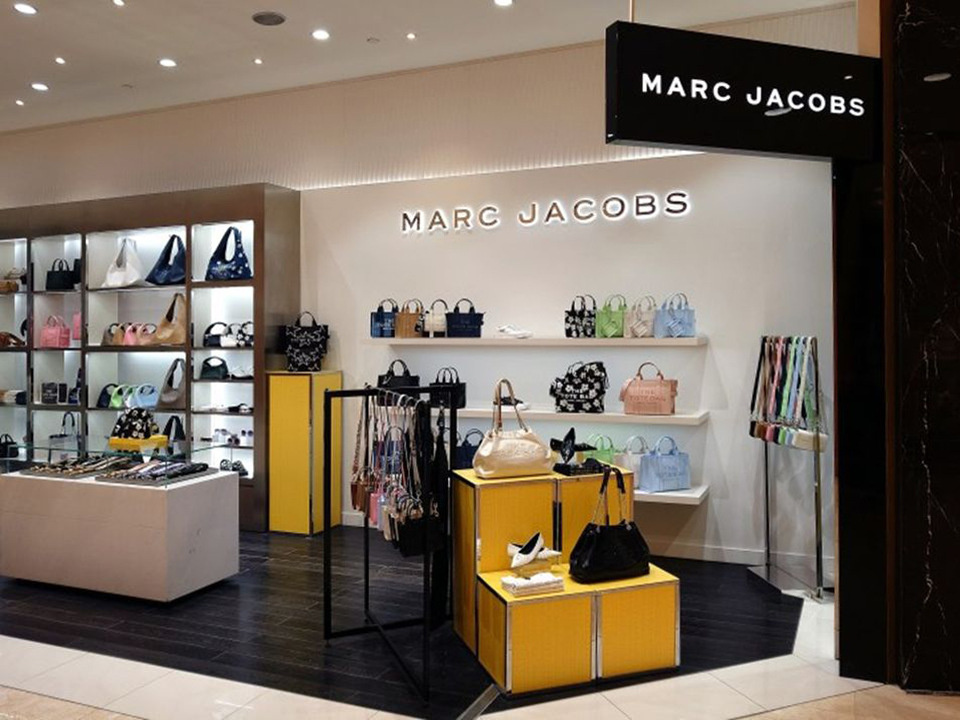
Marc Jacobs (MJ) is a label that has been languishing in the back of LVMH’s closet for some time, like an imperial concubine banished to a ‘cold palace’ (打入冷宫)—except that MJ was lucky enough to be waiting for a gift-bearing suitor. After a two-year hold, LVMH found them: WHP Global (Vera Wang, Rag & Bone, G Star Raw, even Toys “R” Us) and G‑III Apparel Group (DKNY and Donna Karan, Sonia Rykiel, Andrew Marc). In a joint venture, the two entities reportedly paid around US$850 million for MJ. The brand will now serve two masters, echoing ’70s icon Halston, whose dual allegiance to JCPenney and Bergdorf Goodman ended with disastrous results. The new arrangement means Mr Jacobs’s expensive runway hijinks must now be filtered through competing corporate mandates. How that will work out is not yet clear. It’s hard to stay edgy when you’re trying to please two bosses—wholesale volume and licensing pressures can easily suffocate a brand’s creative soul. If MJ’s first marriage to LVMH was not made in heaven, its second as a threesome could end up with a very thorough tour of hell.
Marc Jacobs was always a bit of a misfit within LVMH’s massive portfolio. From the very beginning, the brand’s DNA didn’t align with the French conglomerate’s haute-luxury playbook. When Bernard Arnault brought Marc Jacobs into the fold in 1997, it was a package deal: Mr Jacobs became the creative director of Louis Vuitton to inject it with New York cool, and in exchange, LVMH bought a majority stake to fund his namesake label. But Mr Jacobs did not really infuse his legendary downtown edge into LV. Perhaps in the very early years, but the actual trajectory of his tenure at Louis Vuitton, especially into the 2000s and 2010s, saw him interrogating French bourgeoisie looks å la YSL and channeling the Japanese avant-garde via Comme des Garçons and Yohji Yamamoto. His namesake label, however, failed to harmonise with the LVMH machinery. Marc Jacobs was always too commercial to be couture, and, paradoxically, too ‘avant-garde’ to be mass. Within that walled French garden, it functioned more like a stubborn weed than a prize-winning bloom.
In 2013, after 16 years transforming Louis Vuitton into a global powerhouse, Mr Jacobs left to focus on his namesake brand, which LVMH continued to own. The next chapter was about building Marc Jacobs International into a standalone empire and taking the company public. At least that was the official corporate line. Mr Arnault and Robert Duffy (Mr Jacobs’ longtime business partner) openly talked about an initial public offering (IPO) within two to three years. The brand was generating around US$580 million in sales at the time, and Mr Jacobs wanted to capitalise on the momentum. Two years earlier, compatriot Michael Kors’s wildly successful IPO showed that “accessible luxury” brands could thrive on Wall Street. Mr Jacobs, perhaps with a hint of envy, saw a similar opportunity for his own label. The ambition was sky-high; the IPO, unfortunately, stayed at 2-metres above sea level. By all accounts, the IPO collapsed because the internal infrastructure of the company was too messy. Whatever business model they were piloting at MJ, critics were convinced they operated on a strict diet of thoughts, prayers, and unfiled paperwork.
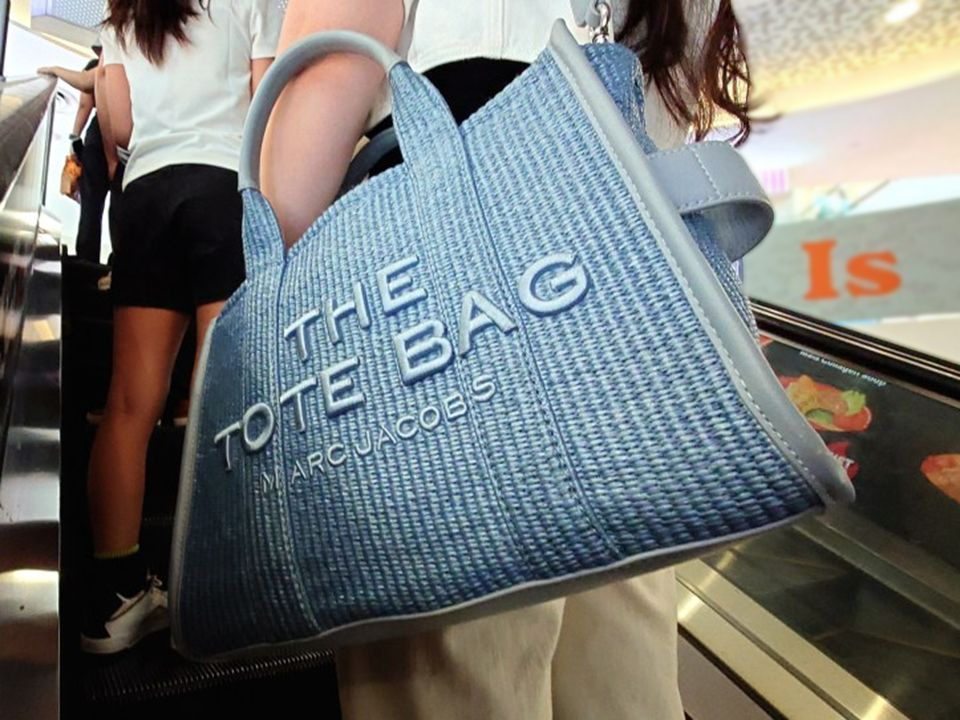
The financial salvation of Marc Jacobs arrived in 2019 with “The Tote Bag”, engineered by Eric Marechalle, whom LVMH installed as CEO in late 2017 after a stint at Kenzo, also an LVMH brand. He had to find a cash cow for MJ fast and it came in the form of a tote that looked suspiciously like stablemate Dior’s Book Tote, only it came a-calling, loudly announcing what it was. Unfortunately, by the time MJ emblazoned literal block lettering across a canvas sack, the visual joke—the Helvetica-adjacent, post-modern irony pioneered by Virgil Abloh at Off-White—was already creatively exhausted. Still, it worked, not because of the graphic design but the price point. By putting that bold text onto an accessible, entry-level bag (sub-$200), MJ found mass-market lightning in a bottle. The momentum sustained them through the mid-2020s, pulling in hundreds of millions in revenue from mass-market leather goods, a category public-listed rival Michael Kors was also milking. For LVMH, this wasn’t a cue to keep the brand; it was the ultimate selling window. It wasn’t a sudden decision; it was the execution of an exit strategy LVMH had been plotting since 2013. They didn’t just marry off the forsaken, they found two suitors, and better still, fellow Americans.
File photos: Chin Boh Kay for SOTD

