Better late than never, but usually just worse. Why is Rihanna a chronic latecomer? And why do event organisers keep tolerating her tardiness?
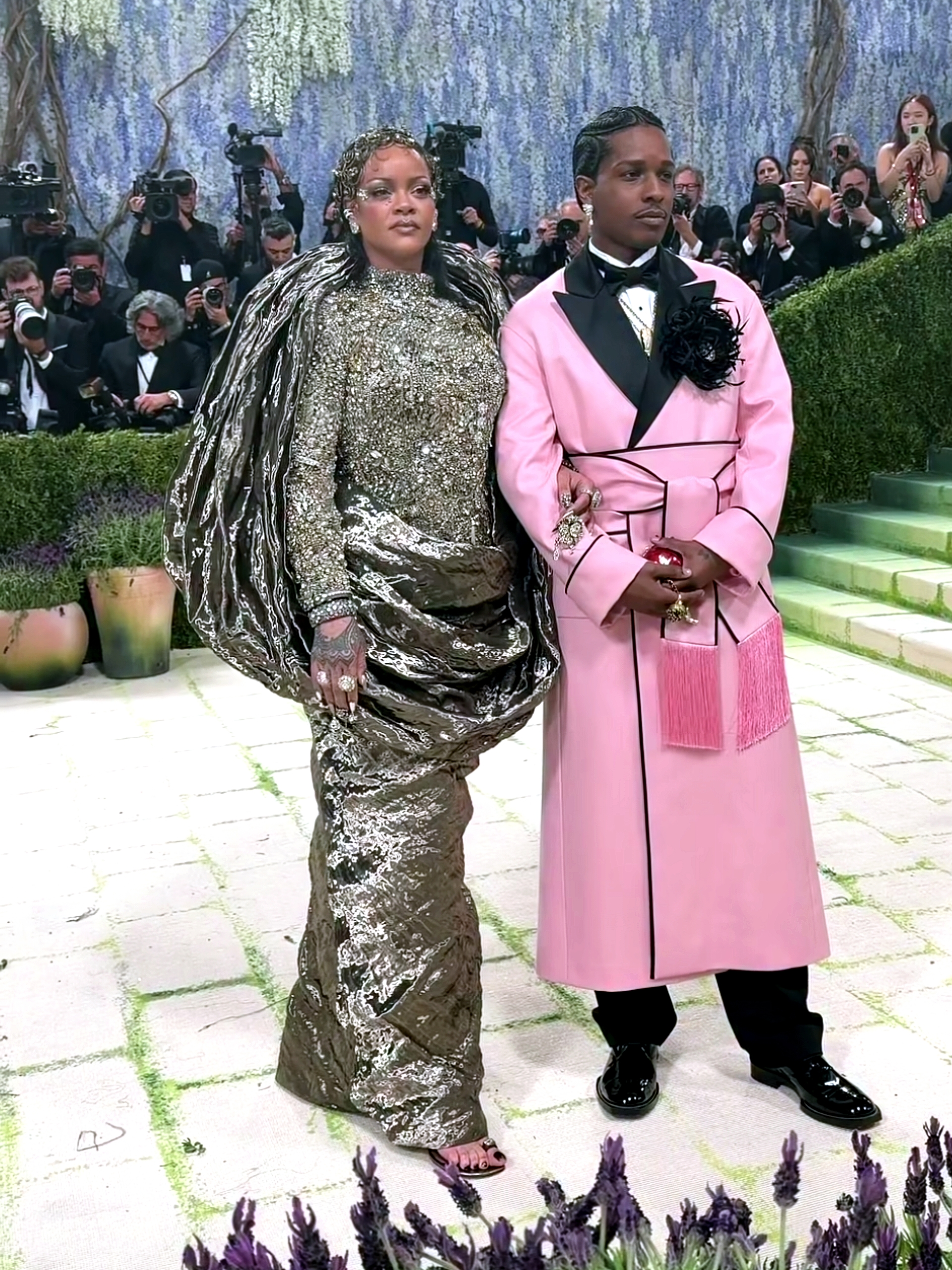
It is a year when children, specifically Blue Ivy (14) and Sunday Rose (17), were allowed on the hallowed Met Gala red carpet because they were accompanied by their respective parents, Beyoncé and Nicole Kidman, both co-chairs of the event, no less. Everything is permissible on that red carpet these days, this year a non-judgmental beige. Nepotistic displays too. But anomalies are not unusual for “fashion’s biggest night out”. Outrageous outfits have always been encouraged, but what about habitual tardiness? If there is one thing that the Met Gala shows well—other than scant respect for the night’s theme—is that arriving late is the most fashionable thing you could do, a behaviour that the media eagerly concurs with. The day after the event, People ran the breathless headline: “Rihanna and A$AP Rocky Continue Tradition of Being Fashionably Late”. A chronic condition is now a tradition and “fashionably late” is not only part of our popular lexicon, it is lauded celebrity social behaviour.
The polite backdrop was perhaps the best ambient colour for impolite behaviour: celebrity lateness. Rihanna arrived after the end of the livestream, behind Beyoncé’s already last-to-strut appearance. The Barbadian was not just late, she was tardy for the second time in a row, following last year’s appearance that reportedly came a neat hour after the Met Gala livestream had wrapped. According to The Cut, Rihanna arrived to do her red carpet duties this time “a little after 9pm (New York time)”, which was when the three-hour broadcast ended. Given her impressive time gap of last year, even thirty minutes might be considered “little”. Getting into to her good books might require calling it a “bit”, but it’s ultimately just a dismissal of the time, as well as the work so many individual put into the event, including those on-schedule attendees. There is a fine, but discernible line between a brand persona and sheer rudeness. Let’s dispense with the ‘fashionably late’ charade. Two years of lateness is really not a quirk; it’s a policy. If the first time was an oversight, the second is, frankly, a manifesto of contempt.
Two years of lateness is really not a quirk; it’s a policy. If the first time was an oversight, the second is, frankly, a manifesto of contempt
To be certain, excuses have been made for her tardiness in the past. She was pregnant and then she became a mother. These were and are roles too important to be placed aside for social punctuality, it has been said. Then, perhaps, don’t let the cradle hold the place of the clock. Life’s most profound transitions—the raw, physical upheaval of pregnancy and the all-consuming, unyielding, and messy demands of early motherhood—rightfully come first. And for most women, “iconic” or not, they do. If indeed a social schedule is in place, the roster must be respected, whether the construct is rigid or ‘flexible.’ Rihanna’s fans (screaming was also heard in the photographers’ bay when she showed up) do not measure her worth by her arrival time, but repeated lateness inevitably shapes judgment. It isn’t just about the minutes lost. She seemed to have distance herself from the same rules that other attendees abide by. Such behavior also chips away at perceptions of discipline, suggesting she treats a schedule not as a commitment to be honored, but as a minor tip beneath her notice: I am Rihanna; the rest can wait.
Lateness is, unfortunately, a calculated act of arrogance. And it is commonly pardonable in the sphere of fashion, especially the front-facing side of the business. It is a given that fashion shows almost never start on time (Marc Jacobs was famously called out in 2018 for starting his show during New York Fashion Week horrendously late) and front-row stars arrive tardily (the last Dolce and Gabbana show was held up because everyone was waiting for Madonna to arrive and take her seat). But no one expects any cog back of house to be unpunctual. Anna Wintour is unlikely tolerant of a late member of her minions, yet Rihanna got her way. The non-recording recording star would never wait for a show, any show, to start, not even her pal Pharrell Williams’s Louis Vuitton presentatios. Like the backstage, Rihanna has a massive team to get not only her businesses going smoothly and punctually, but her social engagements too. But she chose ‘late’. It is commonly and persistently said that what she has is the privilege of the status of an icon. But that is misguided: It is not a privilege; it is abuse.
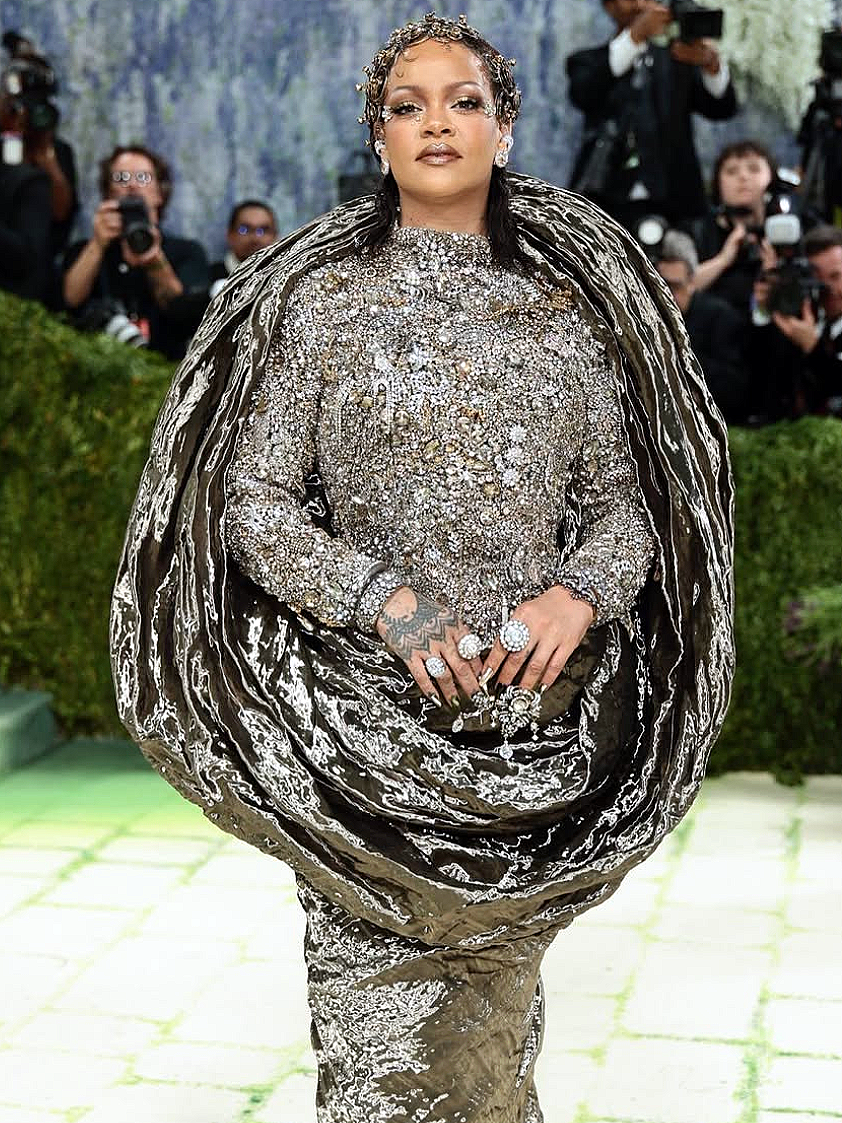
Rihanna in Margiela. Photo: metgalofficial/Instagram
The red carpet is supposed to be a staged display of poise that accompanies punctuality, yet for A-listers—that gilded circle of brand darlings and creators with enviable engagement—any start time is merely a whisper of a suggestion rather than a clear mandate. The late arrival of an A-lister isn’t seen as a breach of etiquette any more, but as part of the choreography: the cameras flash brighter, the crowd buzzes louder, and the brand alignment feels more deliberate. For most of us, lateness is frowned upon, for them, it’s a power move. If that sounds like a caste system, perhaps it is. We constantly sent signals that all manners of event revolves around the stars’ stunning presence, not the tyranny of the clock, once the great equaliser. That dynamic is clear: celebrity culture reshapes social expectations. Punctuality truly becomes optional when your arrival itself, as Rihanna had vividly demonstrated, is the main event.
The media were over-eager to speak to a late Rihanna. She swept onto the red carpet with the unfazed confidence of royalty, offering not even a ghost of an apology for her failure to be on time. As she ascended the stairs, she was asked about the Maison Margiela gown that made her look as though she were halfway through crawling out of a glittering sinkhole that had just swallowed the nearest Tiffany store. She remarked that she was inspired by “Barbados… I wanted all the pearls and the stones to look oxidized.” With enough wealth, even deterioration becomes a high-taste indulgence. The Bajan spoke of aesthetics, heritage, and spectacle. Her artistry (but there was no ‘Art’, as required by the Met Gala)—or the mere performance of it—and her identity were all that mattered. The cursory relationship with time became invisible because the press and the audience were handed a richer narrative: her dress, her cultural references, her aura. The media’s complicity is not just linguistic; it’s structural. When she was asked, at a point, how she felt, she replied happily, “I feel snatched, cute, beautiful.” Late? That’s for us

