What was once Gucci’s vibrant clutter is now Valentino’s dulling sense of sameness
Ugliness, like so much else in fashion now, is being redefined, again and again. So is beauty, for that matter. But ugliness has been more successful at its facelift than other aesthetical ideas, having pushed itself to the fore since at least the mid-’90s, as seen in Prada’s Banal Eccentricity of 1996. Alessandro Michele, too, has been hammering out ugliness since he took over Gucci nearly two decades later. But his is a different kind of ugliness. Though widely hailed as maximalist, it is, to us, meretricious. In the end and now at Valentino, the faithful remain in raptures. You can get used to ugliness because getting used to ugly simply makes it tolerable.
One would think that the era of constant re-contextualisation and maximalist complexity has simply run its course. It deserved its final curtain call a long time ago. But, while we have been ready for the next shift in the aesthetic pendulum, whatever that may be, the arc of movement has been disappointingly and repeatedly a straight line. This proved definitely true at Mr Michele’s Valentino, now his second spring/summer season. Watching the livestream confirmed that no shift in perspective can truly transmute ugliness; even when it is appreciated positively. Or, do many artists work on a new canvas, but paint with the same brush?
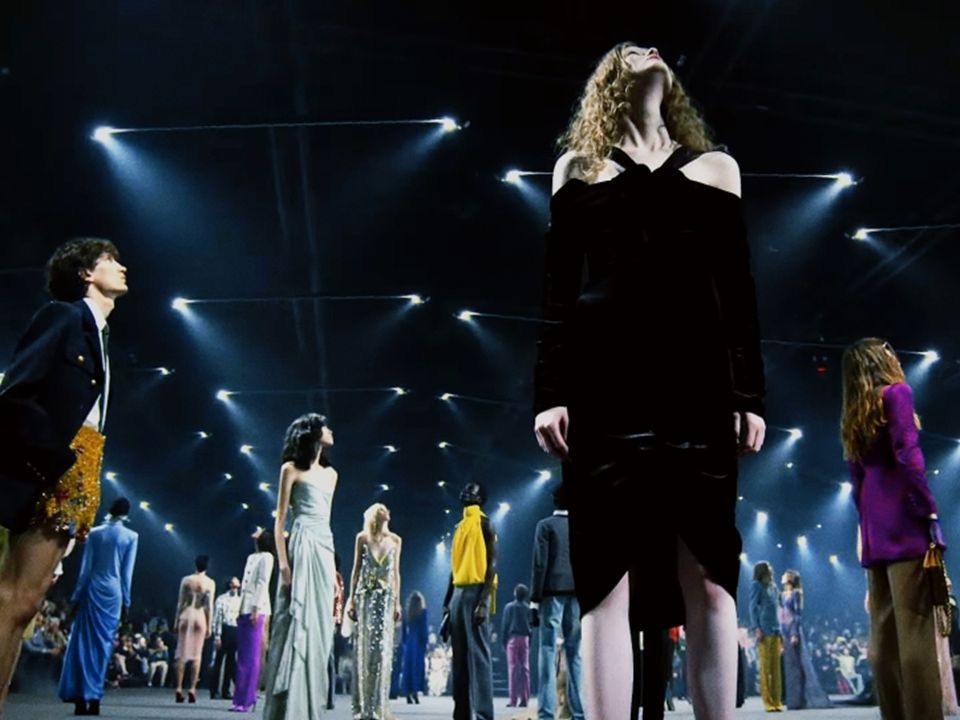
Mr Michele is known for his fashion theatre—spectacle that overrides the collection—and this season was no exception. Staged at the Institut du Monde Arabe (Arab World Institute), in a stadium-like space, darkly-lit to tie in with the theme Fireflies, the collection drew inspiration in the most pretentious way from a letter written by Italian poet and filmmaker Pier Paolo Pasolini during World War II, which described the joy of seeing fireflies. A classic ‘sunshine after the rain’ narrative, except that instead of stirring strings for the soundtrack, it was jarring/grating electronic sounds. The sensory assault was completed by strobe lights that made the clothes hard to make out.
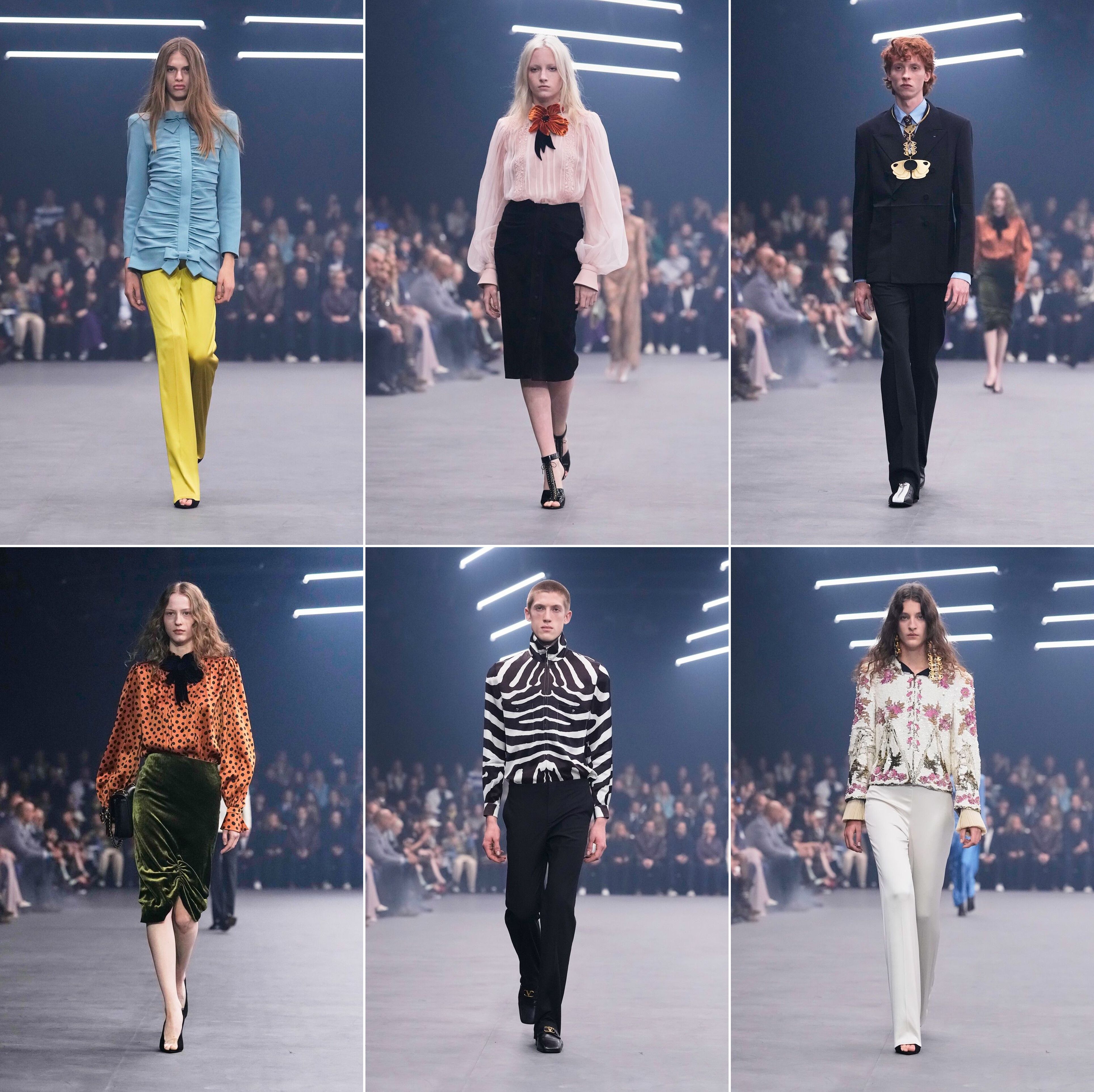
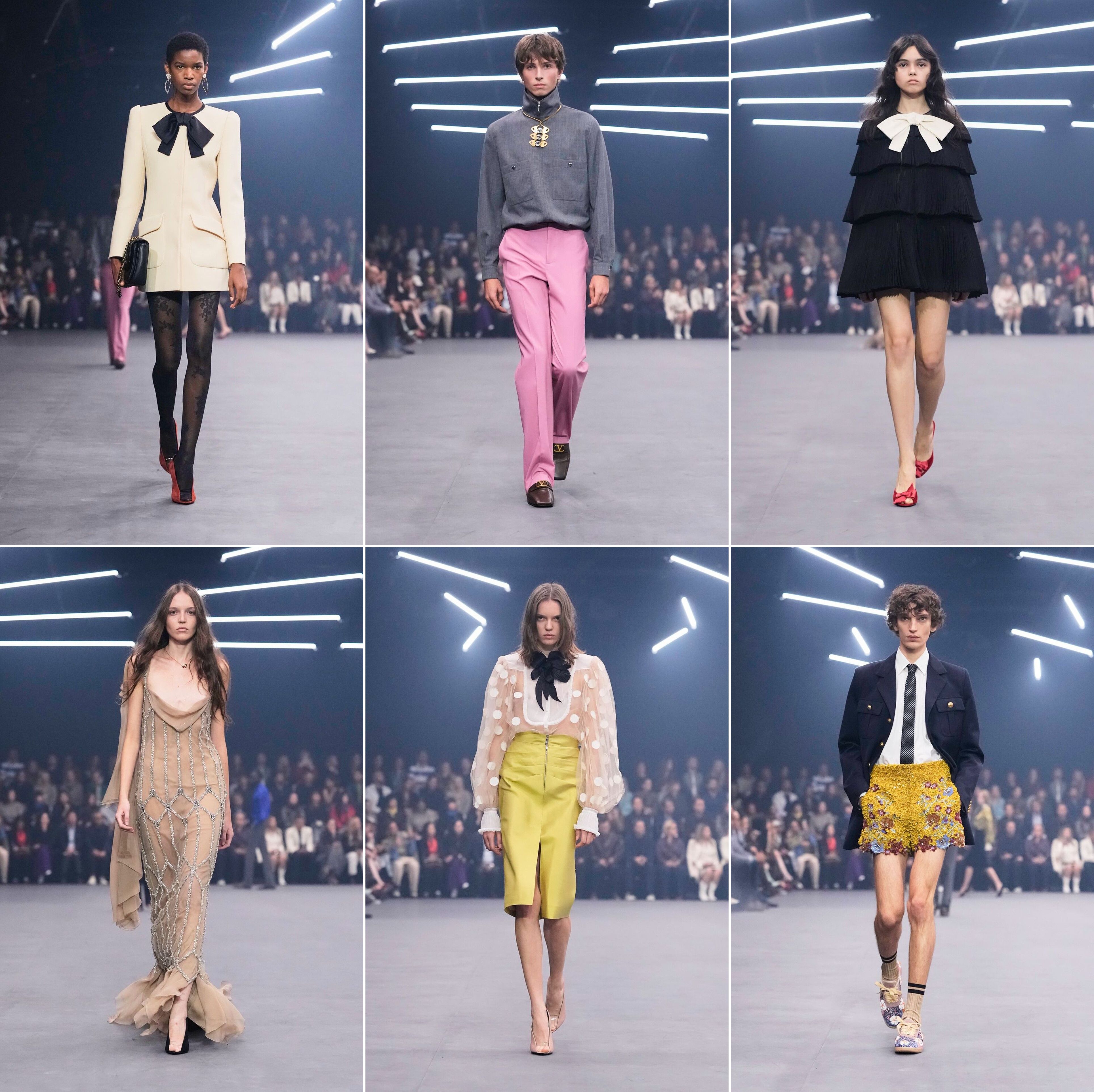
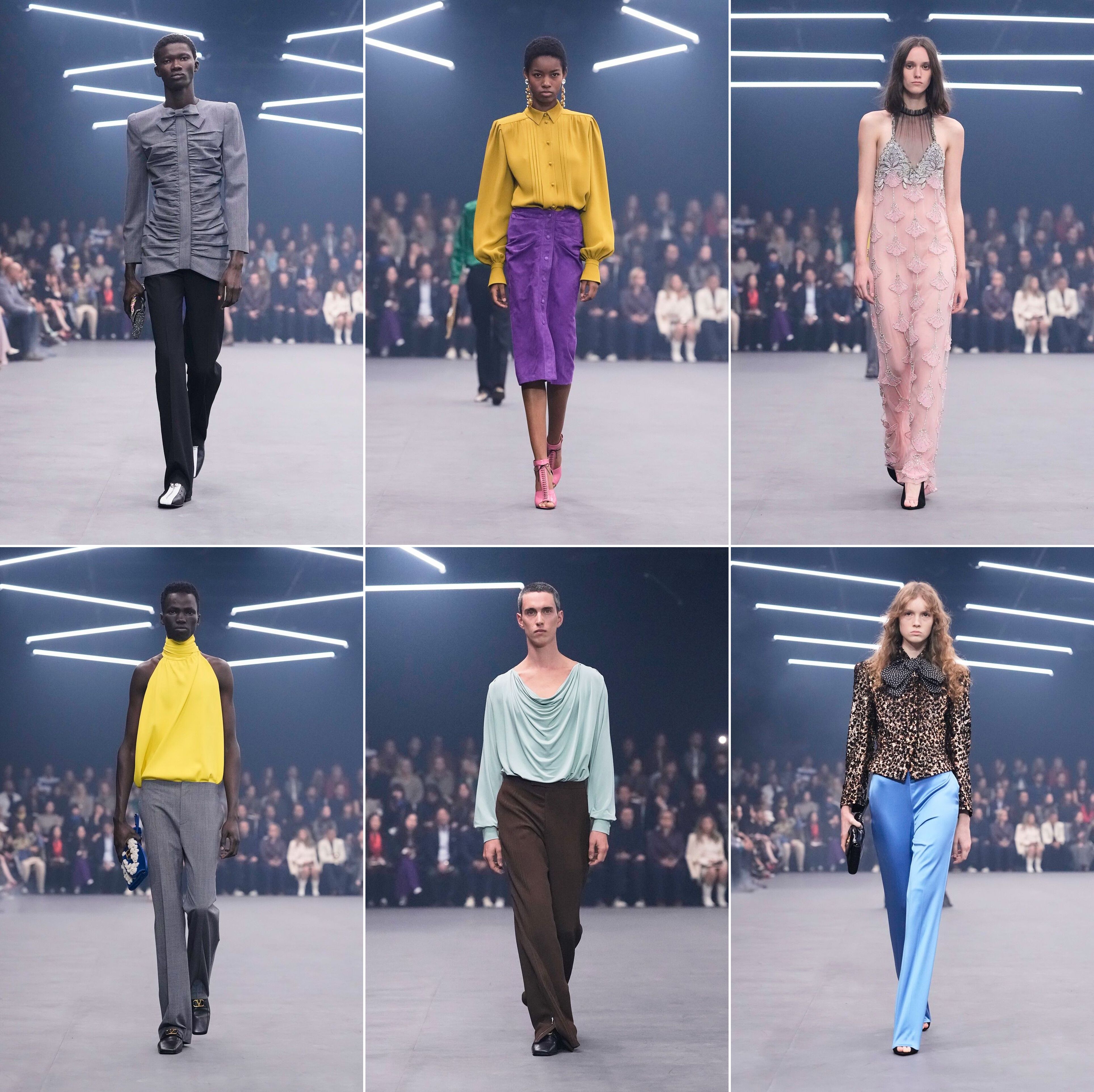
To be sure, Mr Michele has, this season, toned down the typical excess, even just a notch. Many have even called it “visually restraint” but that’s not the same as spiritually reined-in. While there was clear editing in terms of the cleaner lines and focus intent, the collection’s core philosophy and emotional heart were distinctly maximalist and abundant. He has moved away from the sexy librarian of his Gucci years to the current sexy secretary of the ’70s Girl Friday mold. It was a lateral shift, resolutely the garish take on vintage femininity. The prim, buttoned-up silhouettes did not shed their bows (this season, more than you’ll ever find under a Christmas tree), the faux animal print, the bursts of shine, or necklines so low they barely covered the nipples. Their glamour arrived with its own fanfare.
The goodwill from that glamour, however, faded quickly when you consider that he’s prone to making some of the uniquely ugliest menswear today. It is unclear that men have truly evolved to find the zebra-striped shirt, the ruched-front jacket with a bow at the neck, the sleeveless halter-blouse, or the cowl-necked top so attractive or crucial to their closets that they deserved to be on the runway. Mr Michele’s vision is less about reflecting a shift in consumer taste and more about imposing a maximalist travesty of masculinity. Was he availed more production budget than design boundaries? The luxury of no constraints, prioritising a personal, intellectual statement over market logic. In a saturated digital landscape, perhaps provocation equals traffic.
Menswear often provides a clearer test of a creative director’s imposition versus commercial sensibility. However, it was not that test that was baffling, but the tenacity of that core conflict. Maximalism’s success requires surprise, joy, and a feeling of new possibility. When it becomes this repetitive, this predictable, and this dazzling even in the perceived darkness of the world, it ceases to be creative theatre. It becomes, quite simply, dull, aggressively flashy, and devoid of depth. Sure, Alessandro Michele did not completely change Valentino’s DNA, but he is applying his unchanged lens to the historical foundations of the house. He’s making Valentino look like a version of his own aesthetic, which, even this many seasons on, looks a lot like his recast Gucci.
Screen shot (top): valentino/YouTube. Photos: Valentino
 Style on the Dot