Valentino has taken a hit in the latest Lyst Index. It went straight to the bottom with a splash
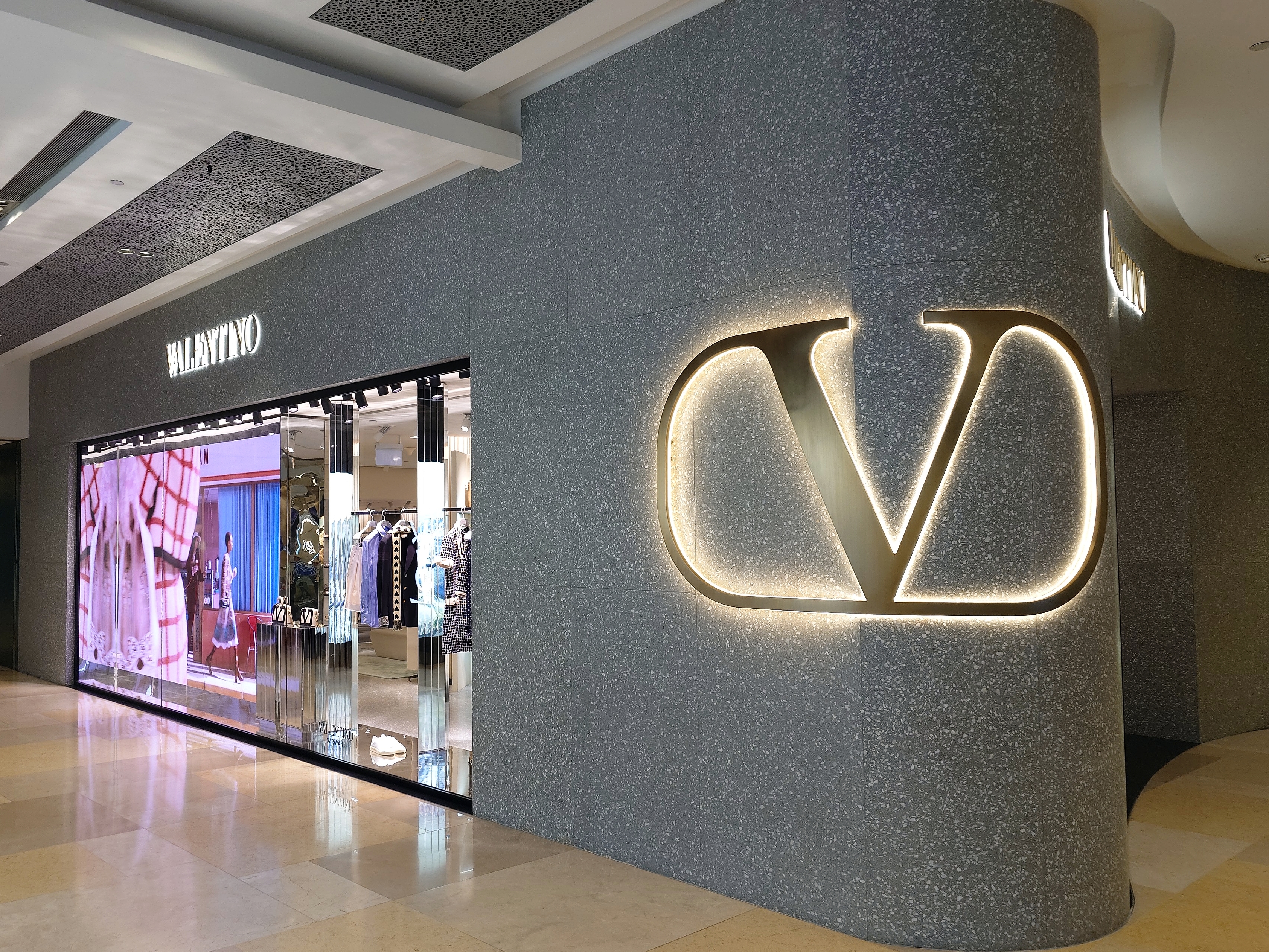
In the latest Lyst Index for Q2, 2025, what’s fascinating isn’t the brand sitting at the top of the list of 20, but the one languishing at the bottom. Dubbed ‘From Polished to Personality”, the latest ranking showed Valentino right at the end of the pile. Even the beleaguered Gucci did better, at 18th position. In Q1, Valentino was already at the unimpressive 16th, a dramatic drop from the their top 10 placing a quarter before (2024). That Valentino did not make the top 10 (even Cos secured 7th) in both recent quarters is telling not just for its curiously shaky branding, but also for new creative director Alessandro Michele’s inability to turn the brand around. Valentino appears not to have done enough to counteract the instability of the creative transition and the competitive pressure from other brands.
The Lyst Index, despite its structural limitations, has become a significant and influential weatherglass for the fashion industry, and brands take it seriously. Now in its 8th year, it has become a much-watched barometer of “brand heat”. It is different from traditional market research, which can be slow and expensive. The Lyst Index provides a real-time, data-backed snapshot of consumer sentiment, which can be a quick and powerful way for brands to gauge their cultural relevance, as well as see how they stack up against competitors. And the labels covered are not only those considered ‘luxury’. It is easily a tool for investors and executives to assess brand rise or decline, as well as a marketing tool to reinforce their status as industry leader when their brand is considered ‘hot’. In essence, the List Index is a serious metrics that brands use internally and externally.
The Lyst Index provides a real-time, data-backed snapshot of consumer sentiment, which can be a quick and powerful way for brands to gauge their cultural relevance, as well as see how they stack up against competitors
This is precisely why Valentino’s stunning slip on the Lyst Index is more than just a poor, even shocking ranking; it is a serious, data-backed red flag. For a brand with a storied history and global stature, such as Valentino, appearing at the very bottom of a respected industry benchmark is an untenable position. It very publicly signals a loss of momentum and a failure to resonate with the contemporary consumer, particularly at a moment when the luxury business is experiencing sizable strain. This is particularly concerning given the Valentino’s creative transition under the much-lauded Alessandro Michele, who is expected to magically transform it the way he did with Gucci prior. The Lyst Index serves as an early, unforgiving test of a brand’s new direction and its ensuing desirability.
Some observers say that it is “too early” to tell if Mr Michele’s work can truly effect change. Or if his sense of wit, such as showing a collection in a mock-up public washroom, will set Valentino, known for its sumptuous elegance, on the path forward. However, given the dire ranking on the Lyst Index, the playbook that Mr Michele used so successfully at Gucci a decade ago does not seem to be working here. The Gucci turnaround was swift and decisive; he was given just one week to create his first menswear collection, a bold statement that immediately signaled a new direction. His full women’s collection later embraced a romantic, eclectic, and maximalist ‘geek-chic’ aesthetic that pushed Gucci to new heights. But at Valentino, the market is told to wait. In a business where a dip in brand temperature can quickly translate into a decline in sales and investor confidence, Valentino’s low ranking suggests its current strategy is slow to generate the kind of desirability and buzz needed to compete at the top, let alone ascend there.
File photo: Jim Sim for SOTD
 Style on the Dot