A box-office bomb for Hollywood?
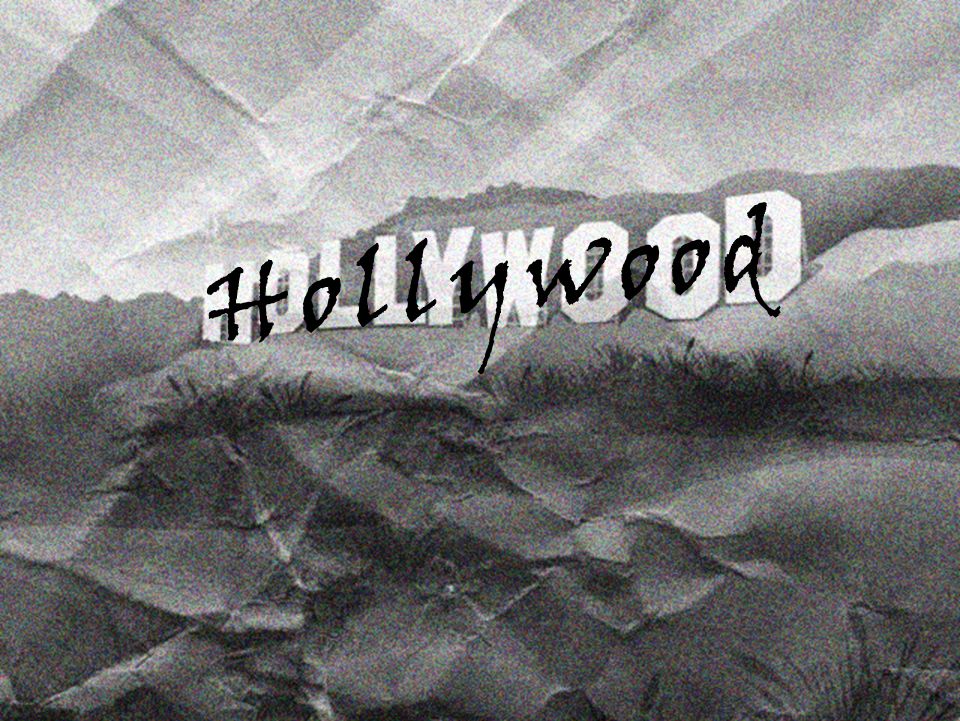
Now, it is Hollywood that won’t be spared. Donald Trump has announced, not long ago, on Truth Social that “any and all” films made in “Foreign Lands” will be slapped with 100 percent tariff. That is more than goods from overseas coming into America (except those from China). Mr Trump claimed that “the Movie Industry in America is DYING a very fast death”. He did not really explain why such a demise of the film industry is taking place other than that films made abroad “is a concerted effort by other Nations and, therefore, a National Security threat. It is, in addition to everything else, messaging and propaganda”. As usual, he was scant on details. It is also not at all clear how the tariff on foreign-made movies can be implemented.
The reality of film making, especially in the U.S., is how global the industry has become. Film productions are major businesses, and cost is a serious factor, and going to places that can reduce the cost is naturally an appealing idea. But Mr Trump told the media when he arrived back at the White House after a weekend in Florida: “Other nations have been stealing the movie-making capabilities of the United States” and “governments are actually giving big money. I mean supporting them financially.” Countries offering tax incentives, rebates, and lower production costs are not new, and such enticements naturally attract filmmakers. Mr Trump feels that these are somehow tantamount to the security threat of his nation. And what cultural products can be taxed next? Foreign-made music*, such as K-pop?
Countries offering tax incentives, rebates, and lower production costs are not new, and such enticements naturally attract filmmakers. Yet Mr Trump feels that these are some how tantamount to the security threat of his nation
Like the fashion business, the film industry relies on overseas skills and labour. And just like fashion brands seeking cost-effective manufacturing, filmmakers often look abroad for more affordable production that includes locations, studio facilities, or post-pro services. This is not just about cheap labor, as the Trump administration is inclined to believe. It involves overall production costs, including location fees, equipment rentals, and crew rates. And some countries are just better at certain aspects of the entire film production—Japan, for example, for animation and China for action and kungfu sequences. The pursuit of cost efficiency and profitability, therefore, necessitates looking overseas for film-making support.
A crucial part of American movies—any movie, in fact—is the costume. Much of what the actors are fitted with, especially in elaborate or period films, are made or partially fabricated overseas (although the services of American rental houses are engaged, costume sufficiency could still be an issue). This is especially true when the movie requires a huge cast. Or when the costume designer needs access to specialized craftsmanship or historically accurate fabrics. It is known in the industry that costume designers go to Italy for period pieces and leatherwork, the United Kingdom, also for period pieces (including armours), especially when it comes to British co-productions and India or China for embroidery or elaborate ornamentation. The global tapestry of costume design is very real.
Ultimately, implementing tariffs on films are logistically tough, as they are intellectual property rather than physical goods. It is not clear how Donald Trump plans to levy a tariff on, say, a digital file or the creative work embodied in a film, or a film available through streaming services. The traditional mechanisms for tariffs on goods simply do not apply as neatly as Mr Trumps thinks they can be. His desire to impose tariffs on films reveals a fundamental misunderstanding of the globalized and intangible nature of the industry. It isn’t taxing Japanese cars or Chinese textiles, with a clear point of origin and physical presence. Such tariffs, if they can be implemented, would inevitably hinder the creative and economic success, even exportability, of American filmmaking.
*Music these days is largely consumed through digital streaming. This would make the implementation of tariffs truly complicated. Blackpink’s upcoming new album may be safe for now
Illustration: Just So

