Are the newly-announced U.S. tariffs really going to help Marc Jacobs, Michael Kors, Ralph Lauren, Tory Burch, and other compatriot labels? In America, all fashion brands could suffer, but maybe American more than others
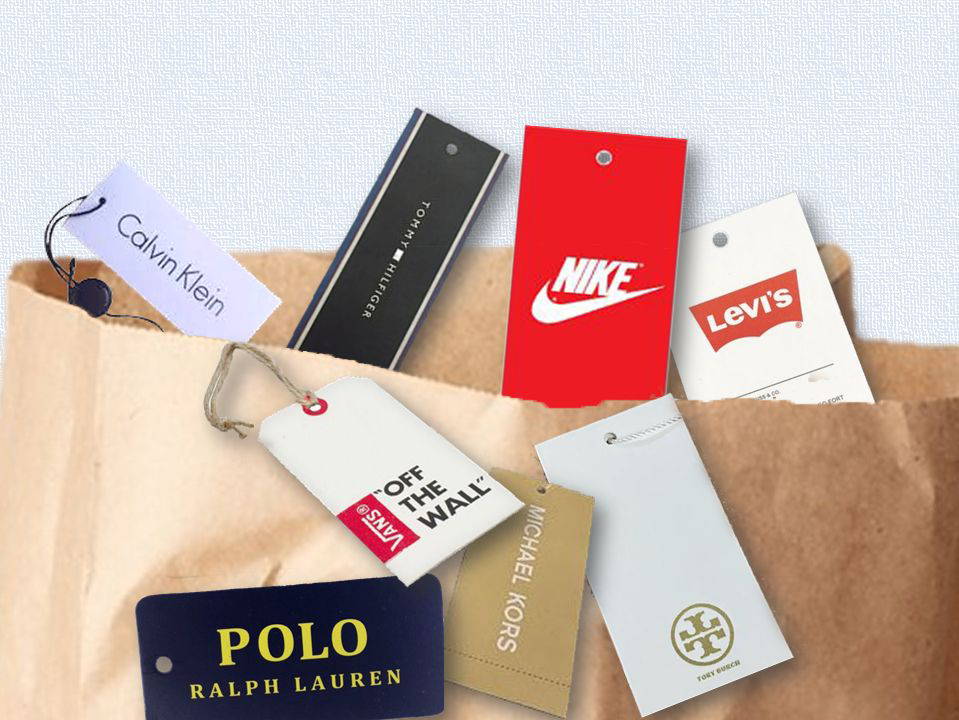
Americans are, understandably, averse to anything remotely terror-sounding. This spring in the U.S., they will be experiencing a kind of terror that is unprecedented: a massive wave of tariffs that will, no doubt, shock America to its core. Donald Trump has frequently used “terror” as rhetorical tool, such as recently describing the violence against Tesla dealership of the past weeks as “domestic terrorism”. Even the White House has described the illegal immigrants they have been deporting as “ruthless terrorist gang members”. But, perhaps there is also another form of terror that is taking place domestically that Americas should fear: the shocking tariffs—“reciprocal”, Mr Trump called them—on imported goods that will affect practically every American. “For decades, our country has been looted, pillared, raped, and plundered by nations near and far, both friend and foe alike,” Mr Trump asserted in a speech to announce the tariffs slapped on every nation that trades with an America waiting to be great again.
So are the tariffs “reciprocal” or, in fact, retaliatory?
Playing on Mr Trump’s predilection for language that terrifies, CNBC Nicolle Wallace reported that the president “detonated a bomb in the heart of the most resilient economy on the planet”. The explosion was heard and felt far and wide. How tough will that economy be? By now you would have known that Wall Street reacted like fabric sewn with tight tension. The cratering was deep and the result blood-bath red. Hard hit were U.S. fashion brands, already battling tough market conditions, compounded by intense competition, economic pressures, and the volatility of global supply chains—these no doubt now aggravated by the Trump tariffs that were announced yesterday. Since the mid-’80s, American brands have outsourced labour and materials to developing countries, especially in Asia, to reduce costs, a trend that has continued till the present, when Mr Trump eagerly slaps these vengeance levies on practically everything not produced on American soil, right down to the rivets of your Levi’s jeans.
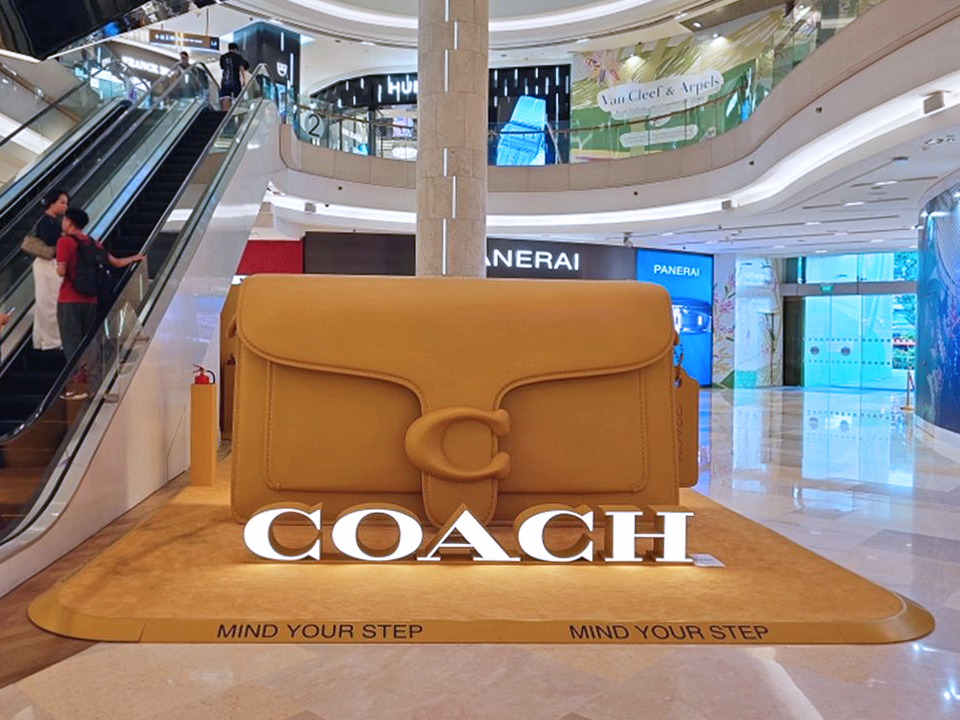
Coach pop-up , The Tabby Shop, currently in the atrium of ION Orchard. The Tabby is not made in USA
That these tariffs (inexplicably calculated, as economists and the American media so quickly noted, constituting what has been called “the highest in nearly a century”) are “significant concerns” is putting it mildly. Increased costs and impact on supply chains are reasons to worry, but the effects on consumer spending—to drop when prices spike, and they are expected to—will impact brand sales and profitability, especially for those gunning for a turnaround, such as Coach. The bag maker has engineered so successful a return to form that in 2021, Forbes announced that the brand had “come roaring back”. In the ’90s, Coach bags were made in America, but towards the end of that decade, they moved the production offshore, to China, Cambodia, and Vietnam (with small leather accessories, such as belts, to India). All these countries are now slapped with Trump’s tariffs. It is hard to say if that roar will turn to a bleat.
But Coach is not the only brand facing a possible change of fortune after kick-starting an expensive comeback. The Gap is another. The San Francisco-based clothier’s progress was initially believed to be “on track”, but that is not so clear now. It had, through the past years, actively diversified its sourcing away from China to Vietnam and then Indonesia, just to name two countries among The Gap’s geographically diverse global sourcing base. According to available trade stats, China remains the largest source of apparel imports to the U.S, but it now has a relatively small part in supplying finished garments to The Gap, making up a mere 7.2 percent of its total apparel output. As of October 2024, China is only their sixth-largest supplier after Vietnam, India, Indonesia, Bangladesh, and Sri Lanka.
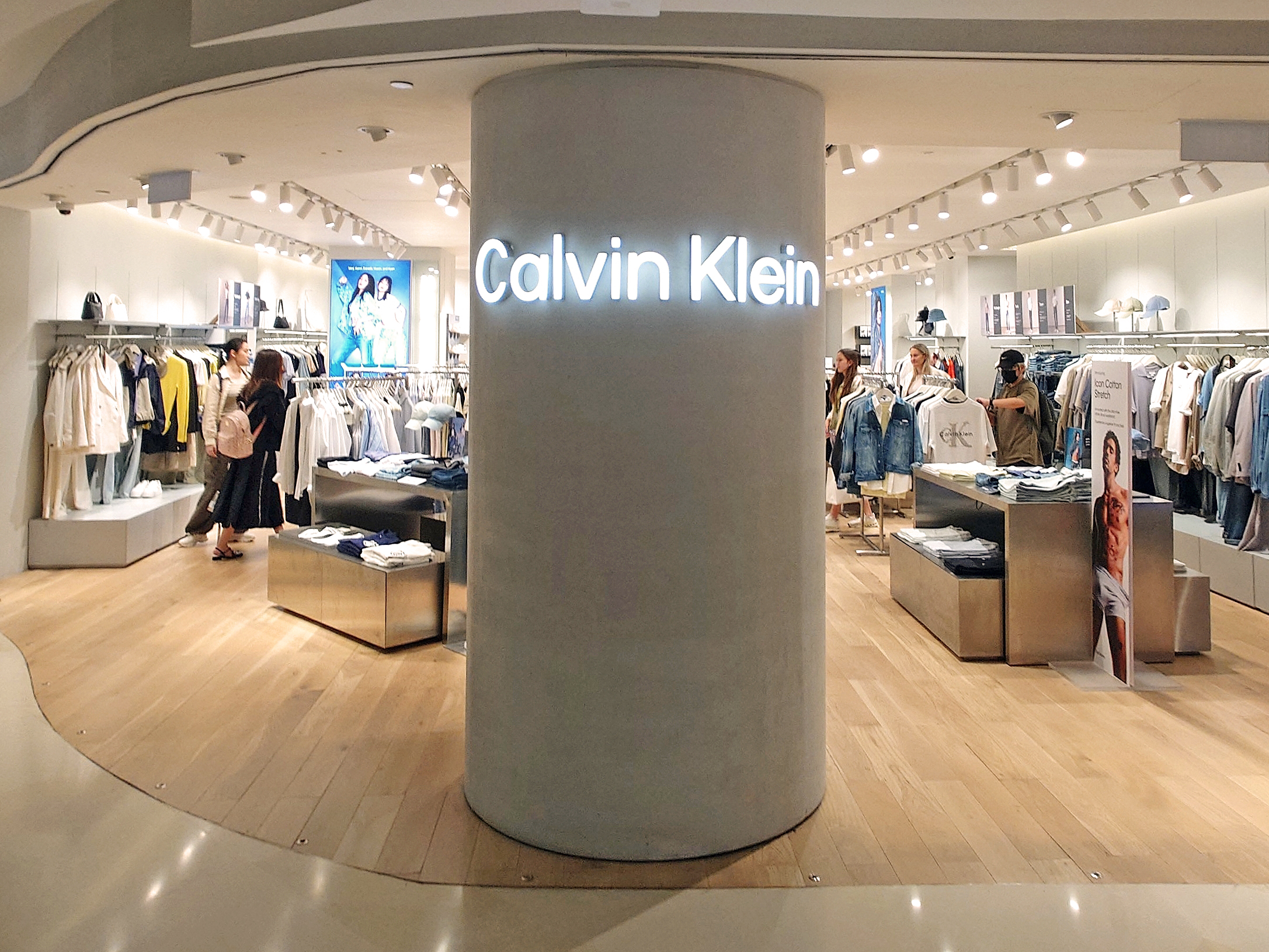
Calvin Klein makes their products in many countries, including China, Vietnam, and Bangladesh. China has already blacklisted parent company PVH Corp as “unreliable entities”
Industry veterans we spoke to praised Gap’s anticipation of tough times ahead: the threat of trade wars or when—not if—tariffs become America’s preferred source of government revenue or MAGA trade polices (Mr Trump has repeatedly said that tariff is his “favourite word”). But even early strategic moves could not ultimately shield them from what has been called “Trump’s crazy tariff plan”. One fabric technologist based in Hong Kong told us that the Chinese company he works for “has planned for this since Donald Trump’s first term”, but “The Gap has been preparing for 12 years. They are the first to move (their sourcing office) out of Vietnam to Indonesia.” But, as one marketing consultant said to us: “even Indonesia kena hantam (is hit).” In the end, there really is nowhere to hide.
That harsh tariffs under the Trump administration cannot be avoided was forseeable, but the high percentages were not. One sourcing agent based here told us that “everyone already expected the tariffs. The question is, how much. My bosses were not expecting this crazy percentages. So they were a bit shocked.” A New York-based designer also said that his company expected the implementation of the levies, “but not on imports from all countries.” American brands do not seem to able to digest the tariff figures. BOF reported that “Walmart had already announced their intent to negotiate with suppliers and ask them to cut costs, taking on part of the burden themselves”. The Singaporean agent countered: “Bear part of the tariffs? Some (brands) even asked suppliers to bear the entirety!” The New York-based designer has similar experience: “Some trailers are expecting vendors to absorb the taxes because they are not raising their prices. But that only means vendors like me will have to sell at very little profit!”
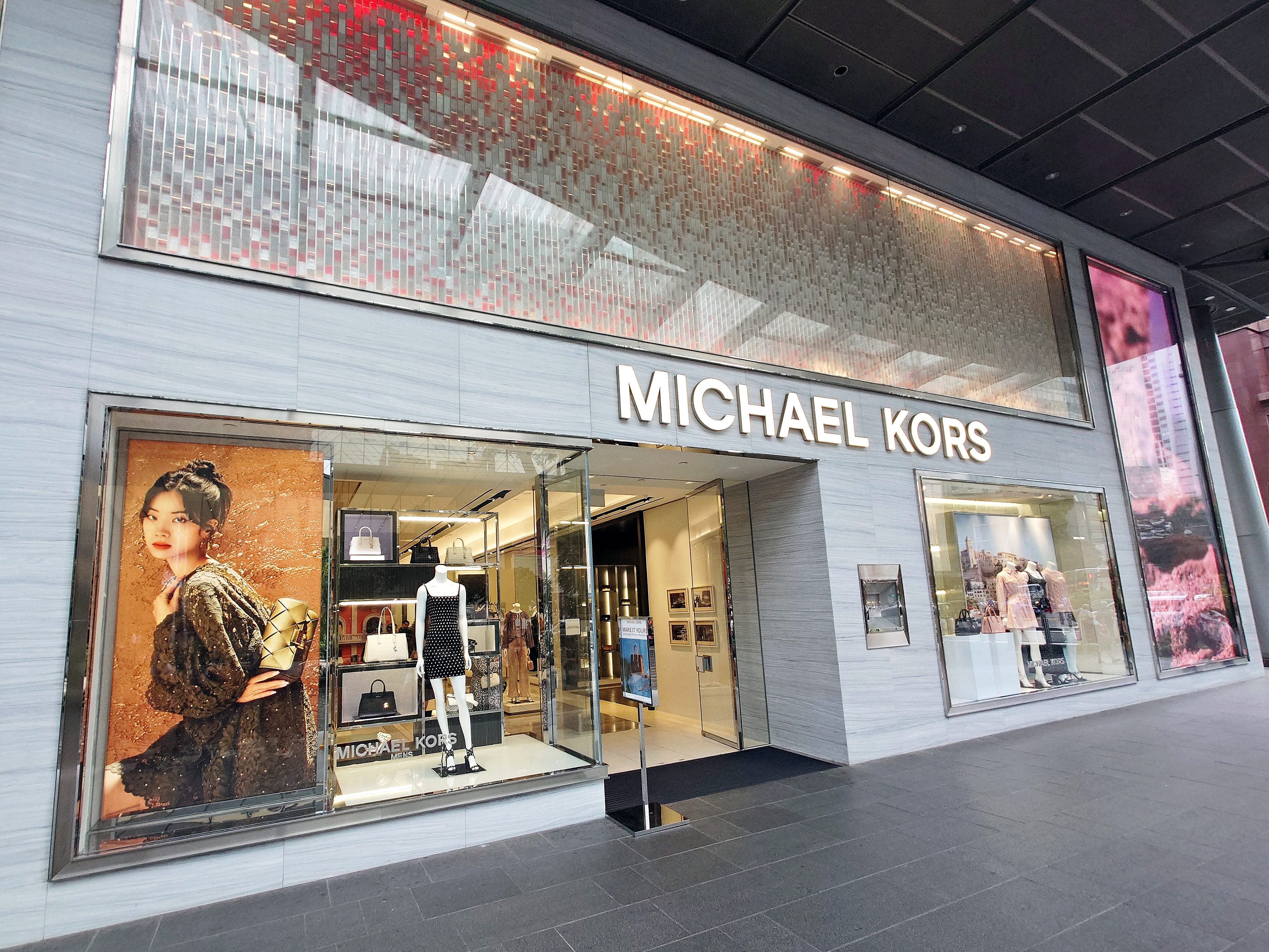
Michael Kors, already a fading brand, will face its biggest challenge yet since their products are predominantly produced in China. The sale of Versace, a brand of MK’s parent company Capri Holding, may now also meet with obstacles
The agent based here said: “I feel (American) CEOs are using the situation to take advantage and get discounts. I feel sorry for the manufacturers. They are at the mercy of their (American) customers.” It is no exaggeration to say that Trump’s tariffs on the developing countries in Asia are very cruel, augmenting his image of the most unthinking and uncaring president that America has ever seen. In Southeast Asia, Cambodia is the hardest hit—with a staggering 49%, the highest among the 60 countries (excluding China, now slapped with 54% after an additional 34% to top the 20% in place earlier), followed by Vietnam, 46%. Many of these factories are not massive enterprises; they operate on tulle-thin margins. Although Vietnam is a major player in the global garment industry, the margins on their production output are lean due to low labour costs, unrelentingly intense competition, and reliance on lower-cost production methods (including CMT, or cut, make, trim). And as brands and retailers will likely focus on inventory management and cost control in the wake of the tariff terror, these factories and exporters will have to deal with shortened ordering times and, worse, reduced selling prices.
America imports more than 98 percent of its clothing and about 99 percent of shoes. Very little is produced on home turf, such as some high-end or specialist products, ot the odd red carpet dresses that designers make for special movie-star clients or wives of presidents. Donald Trump, who reportedly wears (even if you can’t tell) Brioni suits imported from Italy, may not be aware of that stark fact. A significant portion of clothing sold in the U.S. before the ’70s was produced domestically. When brands discovered lower production costs off-shore in the ’80s, outsourcing was increasingly the best business practice. By the ’90s, with the removal of trade barriers, companies found producing overseas dramatically improved their bottom-line. There is no turning back, even if the president deeply desires them to. It is doubtful that even the biggest names such as Ralph Lauren and Calvin Klein would build factories back home and run what is considered in the U.S. to be low-margin operations. There is also the question of labour. With the current administration’s stand on immigration and imported labour, who will sew the clothes? Whatever the case, prices will increase. As our New York source (who asked to be very anonymous, given the Trump administration’s no-tolerance of dissenting views) said: “Who pays in the end? The consumers, aka MAGA.”
Illustration (top): Just So. Photos: Chin Boh Kay

