This year, influencers across the Causeway were in the news for all the wrong reasons. It was a bumper 24 months of alleged wrong doings, involving CBT and unpaid debt, even scam. And the women do have one thing in common: the love of luxury handbags. But where was the fashion in all that? It didn’t matter for some of them when millions of followers were gained—a captive audience for their fashion and beauty businesses
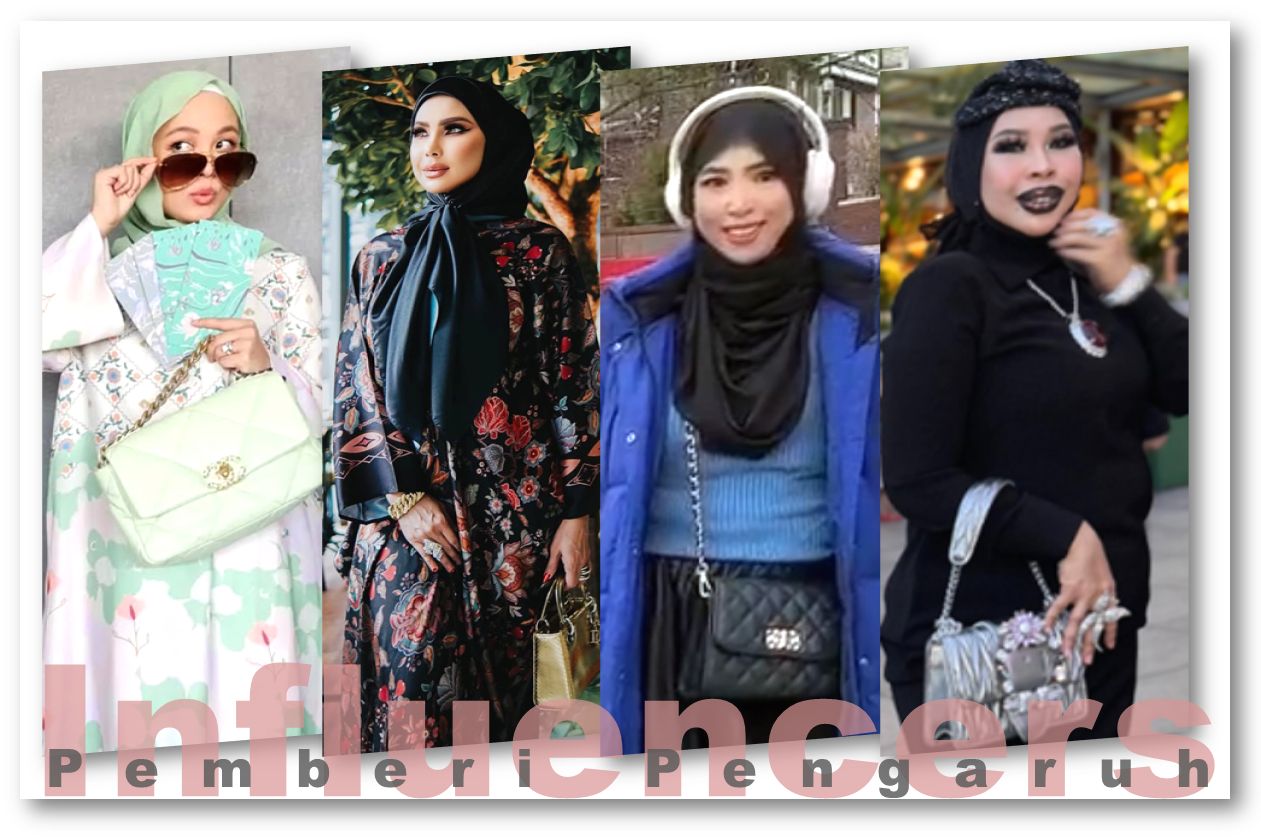
The top news-making influencers of the year in Malaysia. From left: Vivy Yusof, Che Ta, Seri Kin, and Seri Vida
Influencer culture is massive in Malaysia. And many bintang media sosial (social media stars) who know how to tap into the ready audience do so with considerable flair, persuasion, even humour. They believe they can leverage their following, usually numbering in the hundreds of thousands, even over a million, and, amazingly, many followers are ensnared. According to Statista, up to June last year, about 14,800 Instagram influencers in Malaysia were micro-influencers with 10 thousand to 50 thousand followers and about 355 Instagram influencers in the country received more than one million followers. Still, as e-commerce market intelligence provider Cube Asia reported in the findings of E-Commerce Influencer Marketing in Southeast Asia: “Malaysia’s social media usage and influencer impact are notably lower than regional averages.”
By its very nature, the online profession of influencing is really about presenting a life that is vastly different from regular followers’. Despite the perceived “authenticity” of these influencers’ enviable life as both boss and bintang, it is usually an inflated sense of self and material worth that titillate the community they have supposedly built to marvel at their exaggerated lifestyles. In the narrative is usually the trappings of wealth: banglo mewah (luxury bungalows, almost never one-storied), considerable travels, and, inevitably, a staggering collection of luxury handbags. And it is usually these physical markers of riches that are eventually at odds with their financial disorder, so quickly covered or uncovered by the press, and so rapidly castigated by considerable many in the cesspool disguised as social media. They deserve each other—influencers and their followers, perhaps?
Despite the perceived “authenticity” of these influencers’ enviable life, it is usually an inflated sense of self and material worth that titilate the community they have supposedly built to marvel at their exaggerated lifestyles
The influencers making the news recently (as well as others who have avoided scandal) largely fall into two groups: those whole appeal to urbanites, such as Vivy Yusof of FashionValet fame (or downfall, depending on the level of attachment to the brand) and those who entice the rural folks or the many living in small towns, such as Seri Vida, an influencer with a vivacious makcik (auntie) personality peddling crispy snacks. It is not totally clear if they do really hold sway of their audience or if people follow them for sheer amusement. But if the perception of their being able to tap their audience to generate millions of ringgit of income is not just that—persepsi, then perhaps their reach is legitimate and the earnings actual. And their impulse—or impetus—to exhibit the attendant material gains is real too.
But that realness is not necessarily the same as genuineness. In fact, many Malaysians are becoming increasingly skeptical of influencers due to the lack of keaslian (authenticity). Just last week, “global market research and public opinion specialist” Ipsos published a paper Global Trustworthiness, and it revealed that 36% of Malaysians distrust social media influencers (just below politicians). An influencer’s popularity is not immediate indication of trust gained. Following the Vivy Yusof scandal, Netizens criticized her for continuing to live her life luxuriously and very publicly, although her company was facing losses that she could not avert. Until she deleted several of her IG posts (and later made her account private), her penchant for beg-beg mewah (luxury bags) was for all to see, and some to envy.
For the last post of 2024 on social media stars, SOTD looks at four influencers who have made the headlines in the last quarter of the year:
Vivy Yusof for Alleged Criminal Breach of Trust

Photo: Vivy Yusof/Instagram
Hers is probably the most high-profile case of them all, more so as she is one half of the Kuala Lumpur “power couple” behind once-popular e-commerce platform FashionValet. Vivy Yusof, a Western-educated blogger-turned-entrepreneur with an IG following of 1.8 million, debuted in court early this month to listen to the charge levelled against her and her husband, Fadzaruddin Shah Anuar. They were accused of misappropriation, purportedly to the tune of RM8 million (or about S$ 2,560,000), a payment made from the account of FashionValet (also now referred to as FVGroup) to that of 30 Maple, the parent company of the couple’s own labels, Duck and Lilit, without authorisation. It is not known what that money was used for.
The husband and wife issued a joint statement after their day in court: “We will continue to give our full cooperation to the process. We trust the judiciary system will bring resolution to the case in hopes of ultimately clearing our names.” This did not assuage those who were maddened by the inexplicable sale of FashionValet’s initial investors’ stake of RM47 million (a big chunk of it public funds) for a mere RM3.1 million. There were also reports of losses at FashionValet that went back to the period before the investment was made. Despite the regrettable financial situation, Ms Yusof continued to live her life publicly, carrying every imaginable luxury bag, shared on her Instagram page, seemingly unconcerned with the resultant optics in view of the losses her company incurred. She later set her Instagram page to private, and also announced that she would be “un-influencing”.
Che Ta for Alleged Debt Non-Repayment

Photo: rozitachewan1/Instagram
Rozita Che Wan, better known as Che Ta, would have lived her glamorous life to the admiration of her 5.1 million followers if not for a small financial oversight. She had not paid a loan of nearly RM1 million availed to her by Majlis Amanah Rakyat (MARA), since 1997. The creditor, naturally, wanted their money—duit rakyat (the people’s)—back, and through the courts was able to send officials to Ms Wan’s RM10-million luxury house in Kota Damansara on 10 December, and seized RM100,000 items (later reported to be valued at RM900,000), including a car by the Chinese maker Haval (哈弗) and household items, but none of her luxury bags frequently seen on her social media posts. These were initially scheduled for auction, but come that much awaited day, the public sale was “postponed”, an anticlimactic turn for so many following the case.
Ms Wan did not respond to MARA’s actions, but she did, five days later, deny that her house was seized amid rumours that the residence was among her possessions taken. She said in Malay on TikTok Live that she will comment later, but was emphatic that her home was still hers. “If my house were confiscated, I wouldn’t be living there. I’d tinggal kat pokok (be living in a tree)… tidur atas pokok (sleep in a tree)!” She also urged her followers not to hastily draw conclusions from what they have read or what others have assumed. “Let them continue with their false stories for now,” she said, unperturbed, while bubble-wrapping her products (in front of her were a bar of soap and a dropper bottle of what could be serums, propped up on a gift box). Ms Wan assured her fans, “don’t worry. I okay je.”
Seri Vida for Alleged Debt Non-Repayment
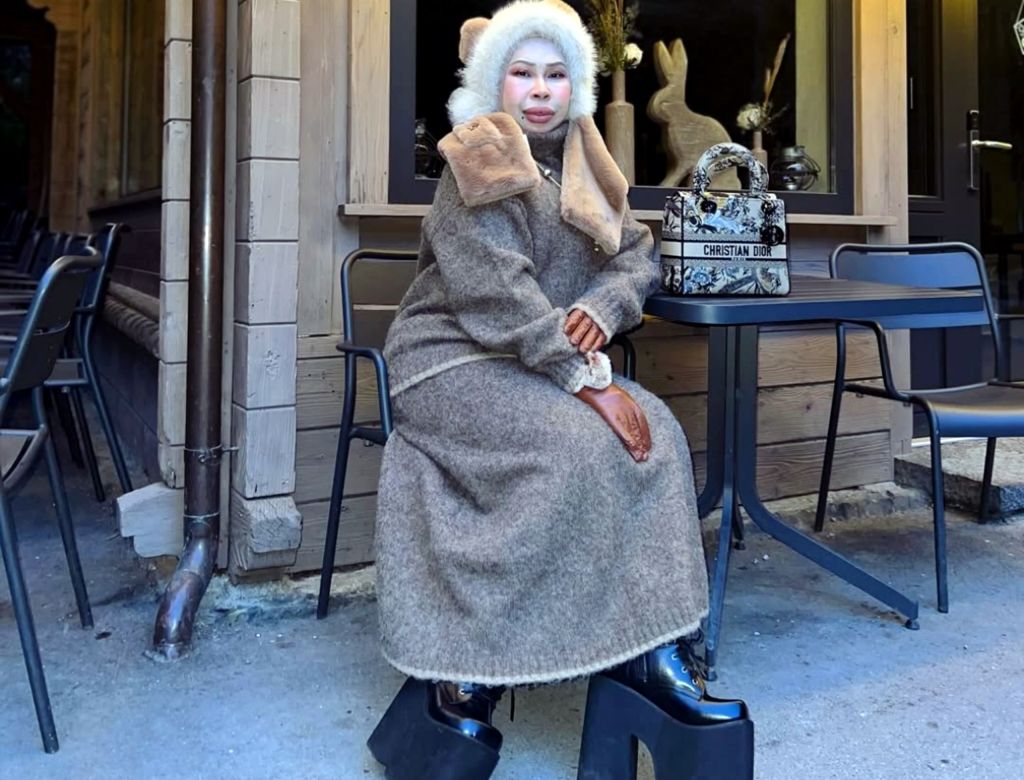
Photo: datoserivida/Instagram
Before the bailiff came calling at her 10-room Ipoh mansion, Seri Vida—aka Hasmiza binti Othman—was happily making unintentionally funny amateur videos of her daily life and the selling of snacks, such as sweet popcorn and salted egg-flavoured salmon skin, branded under her daughter’s nickname Cik B, other than her own cosmetics Vida Beauty. But past debt caught up with her—some RM1,060,285 owed for the renovations that converted her Shah Alam factory into a “studio”. Reportedly, the plaintiff has been trying to recover the money since 2018. On that fateful November morning of the residential raid, Ms Othman was abroad. The officials who had access to her home marked assorted items for auction at a later date. Some 700 items made the list, including four cars, a Kawai piano, PS5 console, Nintendo Switch, DSLR camera, two sofas, chandeliers, a standing clock, fitness equipment (including a punching bag!), and, curiously, “dozens of flower pots”. As with Rozita Che Wan’s case, the auction of these items was “postponed”.
Ms Othman, who is also an occasional—and controversial—pop star and a fashion runway model, claimed that the items seized from her residence belong to her company Vida Beauty. Her personal assets, many speculated, were possibly in her bedroom, where the bailiff had no access to, as it was locked. Her Instagram posts may suggest what she has in her personal quarters. Like the two other women above, Ms Othman has a rather intense love for luxury bags that her 2.9 million followers are privy to, including many Dior Book totes and Lady Diors, and sparkly Louis Vuitton Capucines, and Chanel Classic Flaps. On the same day her home was raided, she was in London (although her staffers said she was in China) and bought her androgynous daughter a gift—what looked like a Balenciaga Monaco Sling bag studded with cubic zirconia that was listed on Farfetch for US$10,433 (or about S$14,177). The delicious irony of going shopping while a creditor planned a home visit.
Seri Kim for Alleged Scam

Photo: kimseri_eina/Instagram
While the rest of them showed how wonderful their lives are in Kuala Lumpur, Kim Seri narrates the fabulousness from Seoul, Korea, where she is based. The Malaysian’s inordinate love for Korea meant she required a Korean moniker, hence the ‘Kim’ surname in place of her family name Azlina. But unlike the rest of the women here, Seri Azlina does not, as it appears, have a weakness for expensive bags or luxury homes (at least not on her socials). Yet, that has not kept her away from being embroiled in financial scandal that has besieged the other women featured here. Like them, Ms Azlina has her own businesses—all eponymously named, including a fashion line for abayas, a perfume collection, an F&B venture—her own restaurant in Myeongdong that sells Malaysian food (until she was, in her own words “kicked out”), and an eight-year-old travel agency that organizes inbound tours for Malaysians visiting Korea.
According to Malaysian media, it is this venture that is the root of her current troubles. Her customers accused her of “scamming” them after some were apparently stranded in Incheon International Airport without a valid ticket to fly home after a tour handled by Ms Azlin’s agency, although she had promised them that bookings were made. Malaysia’s Commercial Crime Investigation Department confirmed that the police received 24 reports on the incident. It is not clear why such a terrible situation arose, but the influencer later attributed the failure to honour the deal made with the travellers to “weakness of management”, “weakness in financial management”, as well as the failure of the F&B business. She apologised to those affected by her deficiencies, and asked for forgiveness, and promised to refund the travellers’ money by next February. To raise the funds, she told her TikTok followers, 1.1 million of them: “I will fully utilise TikTok to earn a living… by selling products.” Netizens fear that could start even more, rather than end her problems.
Update (29 December 2024, 23:00): According to Sinar Harian, Rozita Che Wan has repaid MARA RM550,000 of the nearly RM1 million loan that she defaulted. The payment was reportedly received on 27 Dec, which allowed the auction of Ms Wan’s seized possessions to be postponed. She has not said why the payment was only made after the raid on her residence or when the rest of the owed money would be settled
 Style on the Dot