Japan’s The Sazaby League has partnered with Singapore’s GIC. Such a surprising pair-up
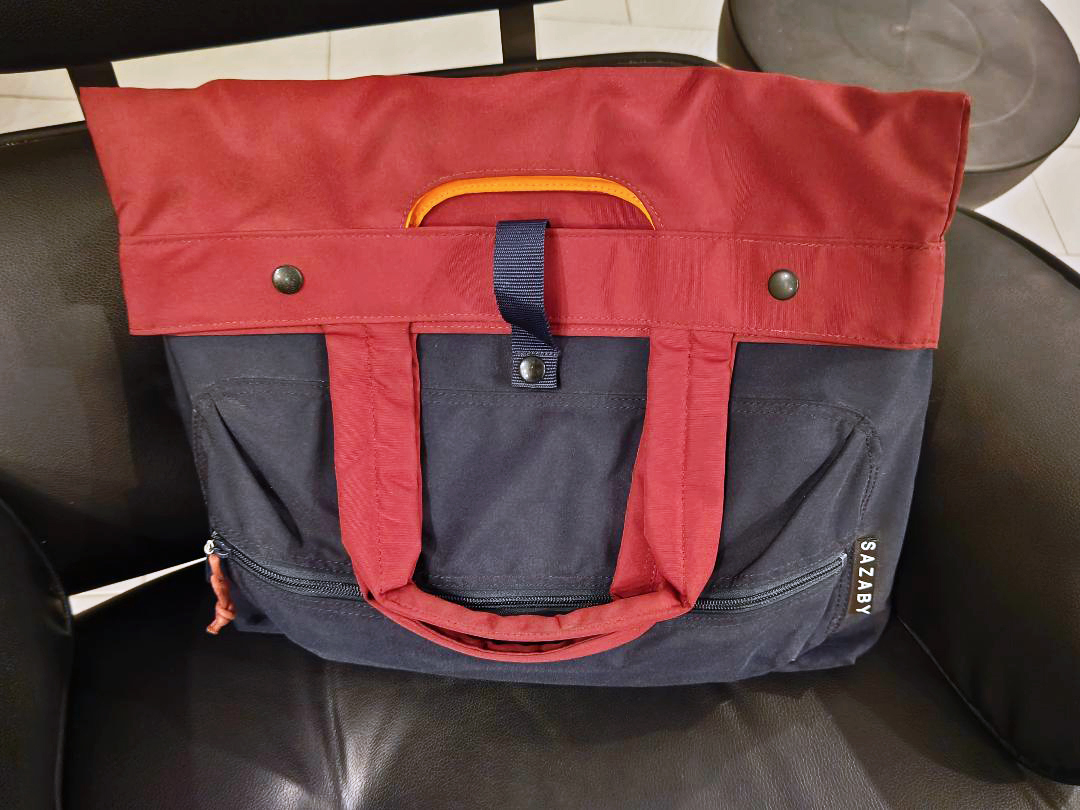
Sazaby “two-way” tote from 2014
At first, we thought it was a joke for April Fool’s Day. Conservative investor GIC, our nation’s sovereign wealth fund, has bankrolled their dreams in Japan’s lifestyle giant, The Sazaby League. The revelation is too dead-serious to be a seasonal gag. Besides, who would dare attempt a ruse on GIC? An institution turning 45 is hardly in the mood for seasonal pranks. It was The Sazaby League that broke the news in a statement earlier today to “welcome Singapore’s sovereign wealth fund GIC as a minority equity partner”. The pairing aims to accelerate “expansion into global markets and the development of new services”. This is a clear shift from their former Japan-centric business model. The collaboration appears to signal a new phase for The Sazaby League, where they will leverage GIC’s global network to broaden its reach outside Japan. For GIC, it would, presumably, be exposed to Japan’s premium lifestyle sector and, therefore, tap the demand for the oxymoronic ‘affordable luxury’. While Temasek Holdings went for the big boys, such as Ermenegildo Zegna and Moncler, GIC chose a portfolio of accessible lifestyle and retail concepts. Still, we see it as a curious marriage between the keepers of vibe and the masters of reserves.
For many people, Sazaby is a total ghost. But, it is the name of a rather noted and popular bag brand, based in Tokyo, not just an investable parent company. In fact, for a regrettably brief period in the mid-’90s, Sazaby was available in Singapore at Isetan, both at Shaw House and Wisma Atria. At the time, bags from Japan—especially made in Japan—were rather rare. Sure, Isetan carried Japanese bags, but they tended to be items with mass appeal that spoke to the oba-san community. Sazaby communicated with a higher register—it sang to those for whom the bags were already more than an acquaintance because they had purchased them in Japan before. A former marketing head, who “bought too much” back then, told us, “for once, we could buy stylish bags (not necessarily fashionable) without only going to Prada.” And he was not wrong. Sazaby was an early pioneer in the elevation of industrial nylon and they did not use only black. Perhaps, more appealing was the utility aspect of the brand. Add Japanese craftsmanship, technical innovation, and a vestige of fashion forwardness, and they had a winner. The marketing guy did note one other thing: “the pricing—for many, they had to skipped a couple of weeks of lunch to afford them.”
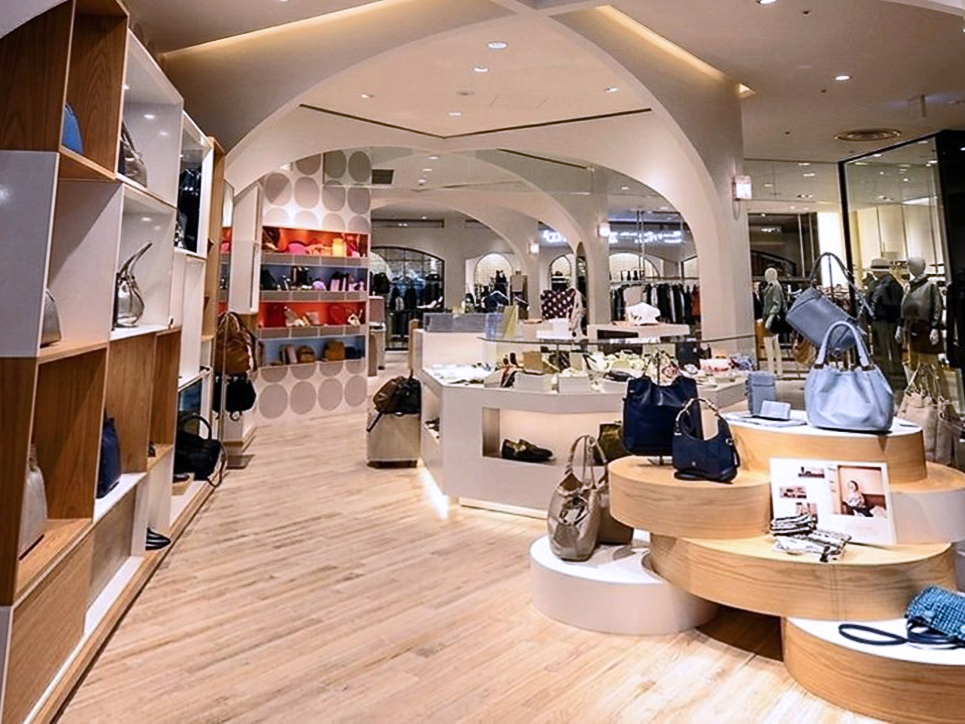
The now-shuttered Sazaby store at Flags, Shinjuku, 2108
The Sazaby story started in 1972 and it had nothing to do with bags. Founder Rikuzō Suzuki imported second-hand furniture—”well-used”, according to their corp comms)—crom Europe to be sold in Japan. In the same year, he created Sazaby, the bag brand, that wholesaled to department stores. But it was not until 1985, when Sazaby opened their first free-standing store in Tokyo that the brand was gaining consumer attention. By then, furniture was no longer a key product category. Instead a more ‘lifestyle’ business was taking shape. The Europhile that Mr Suzuki was (and still is), he created a tearoom with products to sell called Afternoon Tea. Unlike the more forward-looking Sazaby, Afternoon Tea mostly appeals to women who love their scones and brew too much to really care about fashion that isn’t even vaguely pastoral. In the mean time, the company started a distribution arm and represented brands such as Agnes B, Band of Outsiders, and Ron Herman. But, perhaps, most notable for the company was their introducing Starbucks to Japan in 1995 and building it into a cultural behemoth before Starbucks Corp. eventually bought them out for nearly US$1 billion in 2014, which the coffee company took to build the massive Starbucks Reserve Roastery Tokyo, a tourist site in Nakameguro.
In the ’90s, Sazaby sat in that sweet spot of functional, minimalist luxury. What they offered was then described as the “street-professional” bag—not too formal, but was not a slouch either. These especially appealed to those in a creative industry, who did not require to carry a briefcase. The appeal of Sazaby, however, began to wane. By mid-2010s, the brand’s products looked somewhat dated. Even their stores. Our last visit was their standalone in Flags, Shinjuku in 2015. We did not buy a thing, not when other brands were calling out, especially the older but cooler Porter (their reputation became stronger when they collaborated with Comme des Garçons, Sacai, and White Mountaineering), as well as the technically ambitious Master-piece and its offshoot MSPC. While Porter leaned into its Made in Japan heritage and Master-piece focused on technical hardware, Sazaby became a “nice bag for the office”—that did not bode well for them. Nice essentially meant not nice enough.
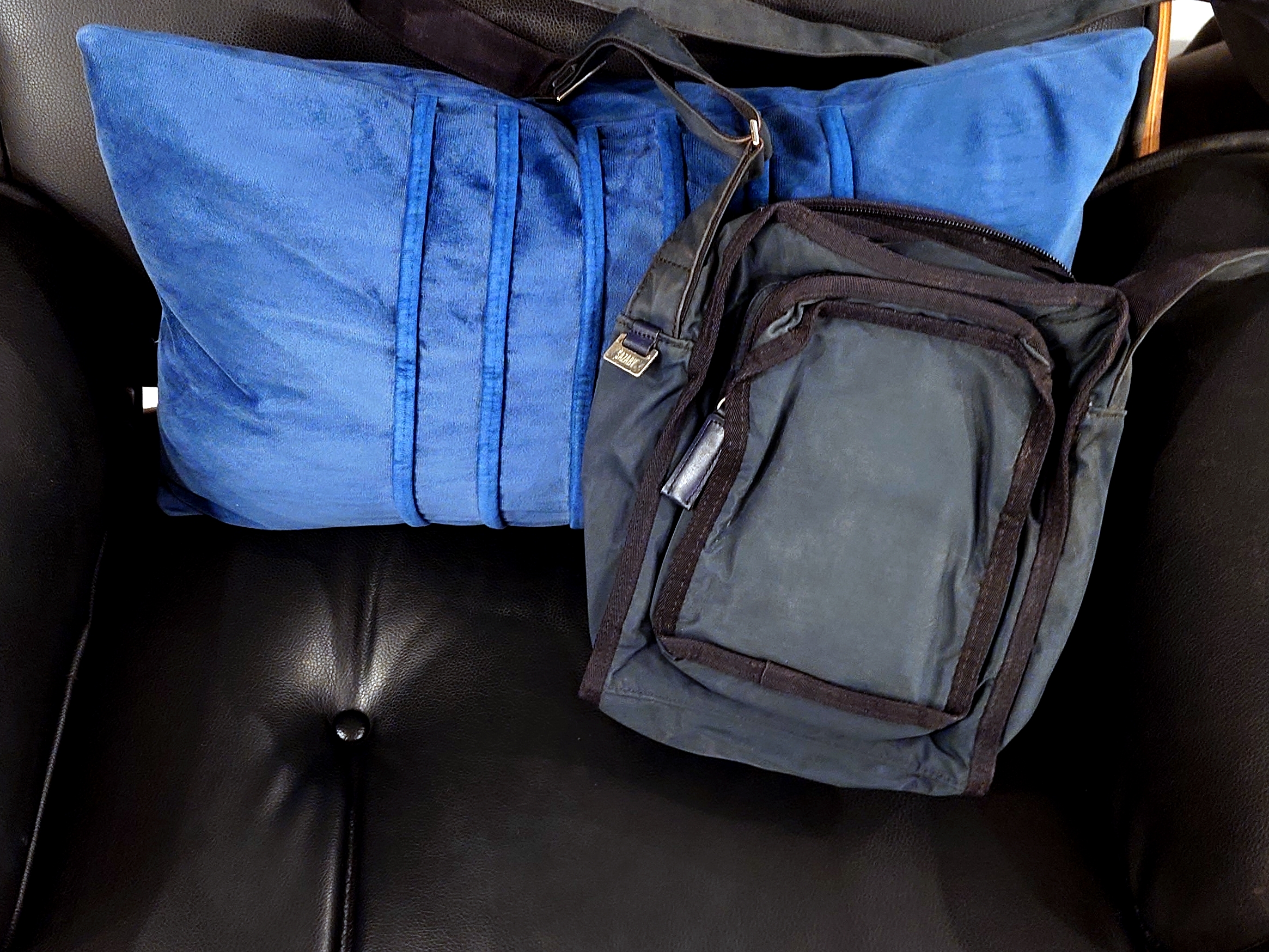
A ‘vintage’ piece from the mid-’90s
Sazaby’s own success unsurprisingly prompted the rise of other bag brands. The competition, as it turned, out was too intense to bear. By the late ’90s, Porter—probably Japan’s biggest, even if in terms of cultural capital—was aggressively leveling up. Apart from solid merchandising and seasonal drops, they had their own retail fronts—a flagship in Omotesando and the Porter Stand nationwide, as well as the handsome Kura Chiku stores that stock the more classic items and where salarymen tend to gravitate. Porter didn’t just sell bags; they built shrines to craftsmanship. Concurrently, there was the rise of other smaller, niche bag brands, such as Standard Supply, Fredrik Packers, and the Gorpcore major, And Wander. And retailers such as Beams that supported them. What Sazaby pioneered, others soon made better and far smarter. In the end, the company had to euthanise Sazaby. The Sazaby League, conversely, became a national armoury of retail, now protected by Singaporean capital and Japanese operational smarts.
In March 2021, they killed the name that truly defined an era for bags. It’s a story of a brand that had to die so that the company could truly live to focus on their more profitable licensing and “lifestyle” labels, including their own Afternoon Tea and the jewelry brand Agete. But they are more than a brand distributor. These days, companies such as The Sazaby League are described as “brand incubators”, which explains why non-Japanese labels, when they are retailed in Japan, just look better (read: The North Face and, yes, their bags too) Today, The Sazaby League is the described as a “powerhouse” and they are behind names like Ron Herman Japan, Canada Goose Japan, Estnation, and Camper. The Sazaby moniker on the storefront may be gone, but with their improved business model, The Sazaby League now thrives on managing other people’s visual rhetoric, rather than their own. GIC knew they were not investing in a bag designer, but a brand butler.
File Photos: Jiro Shiratori
 Style on the Dot