Is the Nicole Kidman vehicle any good? Or just another American export of the worst of themselves?
By Mao Shan Wang
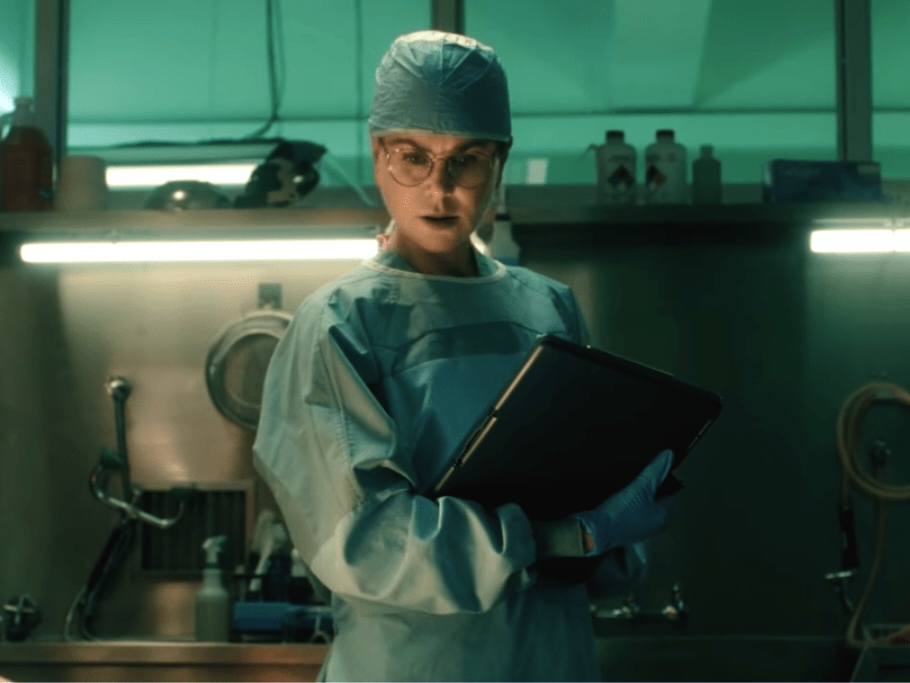
To be certain, I watched Scarpetta because of Nicole Kidman. You can’t say I am a fan, but I did like her in The Others, if that means anything. Scarpetta attracted me also because I do enjoy a good whodunit. Besides, it’s based on the novels of Patricia Cornwell—the clinical Kay Scarpetta stories. It can’t be anything, but serviceable at least. As it turned out, I was very wrong. Truth be told, I have never read her books, but I was willing to give a TV series based on a character she developed a while go. But I realised soon enough that the series is not based on a single book. The titular character is there, yet the serial-killing narrative is so anaemic and peripheral that other inane subplots were required to pad things up. It’s neither a faithful tribute nor a fresh reinvention, or even anything between. Scarpetta is as messy as a medical autopsy can be—innards spilled on the cold dissecting table.
A primary point of contention for me is that the entire series wears the viewer out with two timelines, which means flashbacks—to the 90s and further back, the ’80s. This merely fractured what is already a choppy narrative. Present-day Dr Kay Scarpetta is Ms Kidman’s hard-to-get-close-to chief medical examiner with a troubled past, one she needed to shield from her quiet and patient-until-he-isn’t husband Benton Wesley (Simon Baker). The only person privy to that secret is her brother-in-law Pete Marino (Bobby Cannavale), a greaseball with a heart. The first episode opened with a murder, of course: A female body bound by a rope, but kept whole except after her wrists. And then the scene suddenly cuts to the past and puts the heroine as her younger self (Rosy McEwen) front and centre as she investigates a murder that appears to be similar to what will happen in the future, but with a vastly different clue: glitter. It was as if Bryanboy had sweated over the bodies.
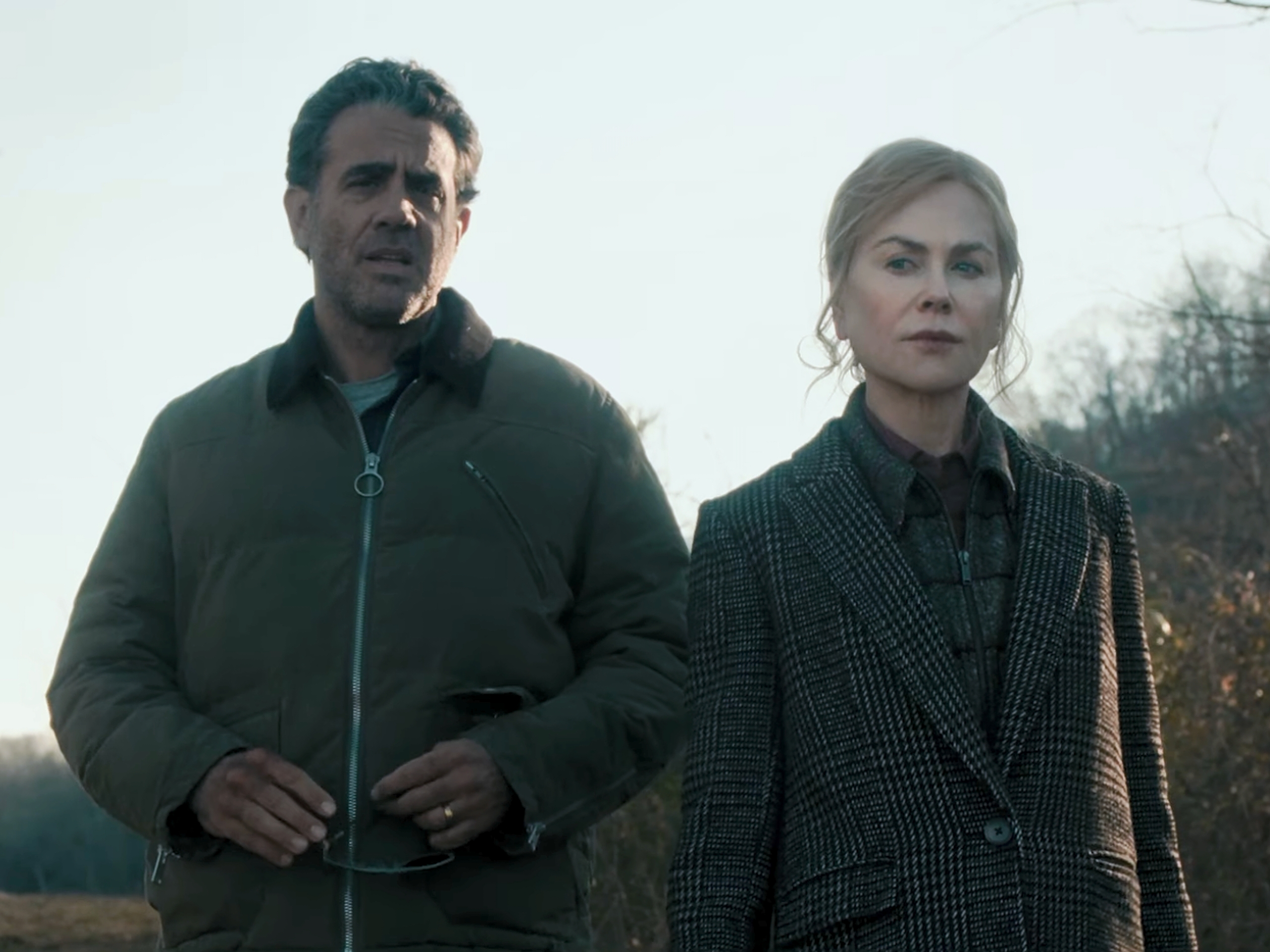
Frankly, with the here, there, and here again telling, I surprised myself by staying to the last episode (8). I thought that moving between the ’80s and now means I would be able to see some evocative clothes. But young Scarpetta and old kept to largely the same look: professional (office wear, as they used to call it), neat, and definitely with an eye for the less common. When Old Scarpetta wears a waistcoat, the flashback shows young Scarpetta in a waistcoat. Everything is so perfectly aligned that it feels synthetic rather than organic. At least, her sister Dorothy (Jamie Lee Curtis) appears to have evolved, going from a wealthy younger woman to a brash MAGA-type broad, at least aesthetically. Young and old Scarpetta wear a lot of shirts and, for some reason, plaid blazers and outwear. There was only one dress I noted: a strange green, halterneck (with a racer back!) in shiny satin (possibly polyester) over which is a same-fabric jacket that could have come from Kohl’s. To be sure, the two Scarpettas pay attention to their clothes. But we never see either get dress or open their cupboards, or go shopping. Medical examiners are blessed with a virgin birth of a wardrobe, I guess. Is that why their personal style remained frozen in a state of sartorial stasis for thirty years?
The one thing that truly downgraded this video offering many rungs down the ladder of the inane is their insistence on weaving a dysfunctional family into the plot. The drama in and out of the medical examiner’s facility is so weak that two squabbling sisters had to take major screen time. So too a lesbian niece keeping her relationship with her dead wife alive through AI, with emotional depth. And you can be sure they are not the Gilmore Girls. Viewers of what is now called American prestige television routinely pay the emotional tax of the mandatory inclusion of a fractured domestic history to ‘humanise’ a character even if she is compelling enough to simply be an expert at her job. A smart professional can’t just be that because otherwise you can’t bloat the narrative. So, she has to be the implacable sister and the unyielding wife. Kay Scarpetta is defined by both her familial and professional failings and woes. So talk-backs and squabbles reign. Silence, just as it is in the White House today, is a bad thing. The American export of high-decibel dysfunction—there’s nothing prestigious about that.
Stills: Amazon Prime Video
 Style on the Dot