Pierpaolo Piccolo’s ‘ClairObscur’ for Balenciaga autumn/winter 2026 truly showed that he has left Valentino behind him. Only to make sure the Balenciaga before him fades not. On which side did the light really brighten or dim?
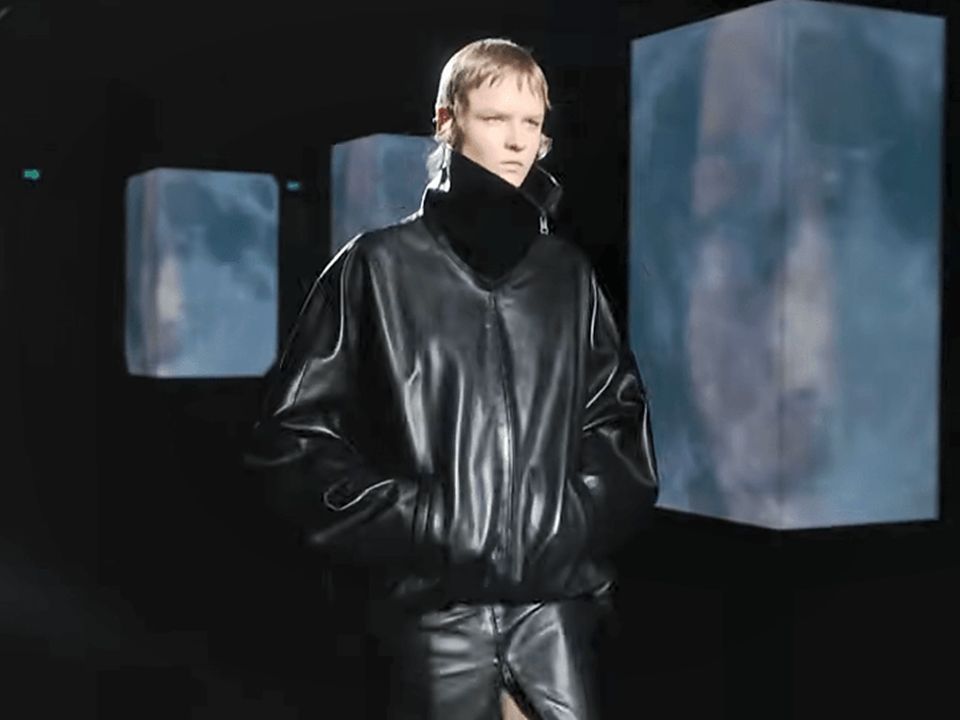
When we typed into the search bar of our web browser to reach Balenciaga’s homepage, Valentino’s popped up. We then realised we entered incorrectly. When we began on this post, the same problem: Valentino instead of Balenciaga in the text line. Pierpaolo Piccioli did not face the same predicament. He has broken the synonymous bond. For years, Pierpaolo Piccioli and Valentino were a closed circuit; you couldn’t refer to the house without speaking of the man, and vice versa. He didn’t just work at Valentino; he was its aesthetic heart. For a while, it seemed Mr Piccioli was destined to be the eternal romantic, trapped in a cycle of voluminous taffeta and that specific brand of ethereal red-carpet bait. Transitioning to Balenciaga required a violent decoupling from the “Valentino-isms” that he had cultivated and had become his crutch. So it was quite refreshing to see the rejection of overt prettiness. Better still, no “PP Pink” that Dick Lee professed to love and had rushed out to buy when it was available in the stores. But even the Mad Chinaman is parting with them; he has put many pieces out for bids at online-only auctioneer HotLotz. Those Valentinos, coloured like bandung, are not just out of fashion; they’re being liquidated in Bukit Merah.
Without the romance, Mr Piccioli attempted edginess. Balenciaga was, for the past decade, a middle finger against traditional elegance, a grand divorce from the ghosts of glamour. Sometimes, a hell-scape of the undead. But the portal to that world was unsealed and Mr Piccioli invited some hantus back. Demna Gvasalia’s old spectres—the grim dark (more black-on-black), the mal-adaptive (skewed street styles) and the post-dystopian (grungy boots) emerged to mingle with little black dresses and architectural coats. The old Balenciaga customers, groomed for ten years, simply cannot be ignored. Mr Gvasalia trained them to expect irony, oversized severity, and more black than the Goths would be drunk on. They may not have loved every provocation, but they were seduced into a certain aesthetic vocabulary. Mr Piccioli can’t simply erase that; he has to negotiate with it. That meant wrestling with how to maintain the ‘purity’ of the house during the time of its founder while satisfying the brand’s need for hype. In a world where people will literally wear a bath towel as a skirt if it’s tagged #core, the challenge is balancing the meme-worthy and the couture class. If, in the end, it’s about out-dressing a bathroom fixture, it’d be really easy. But Mr Piccioli has loftier dreams. He chose films.
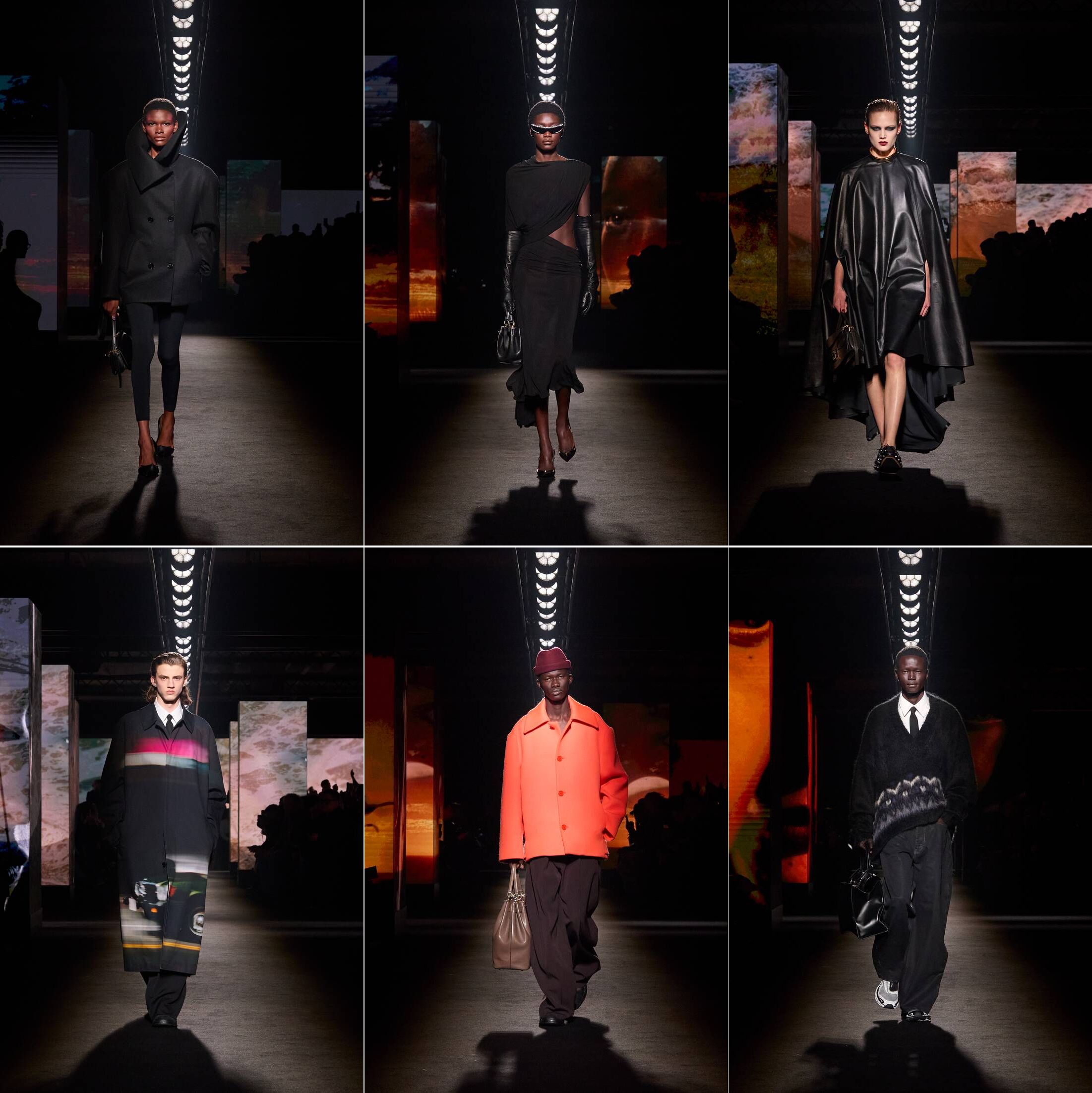
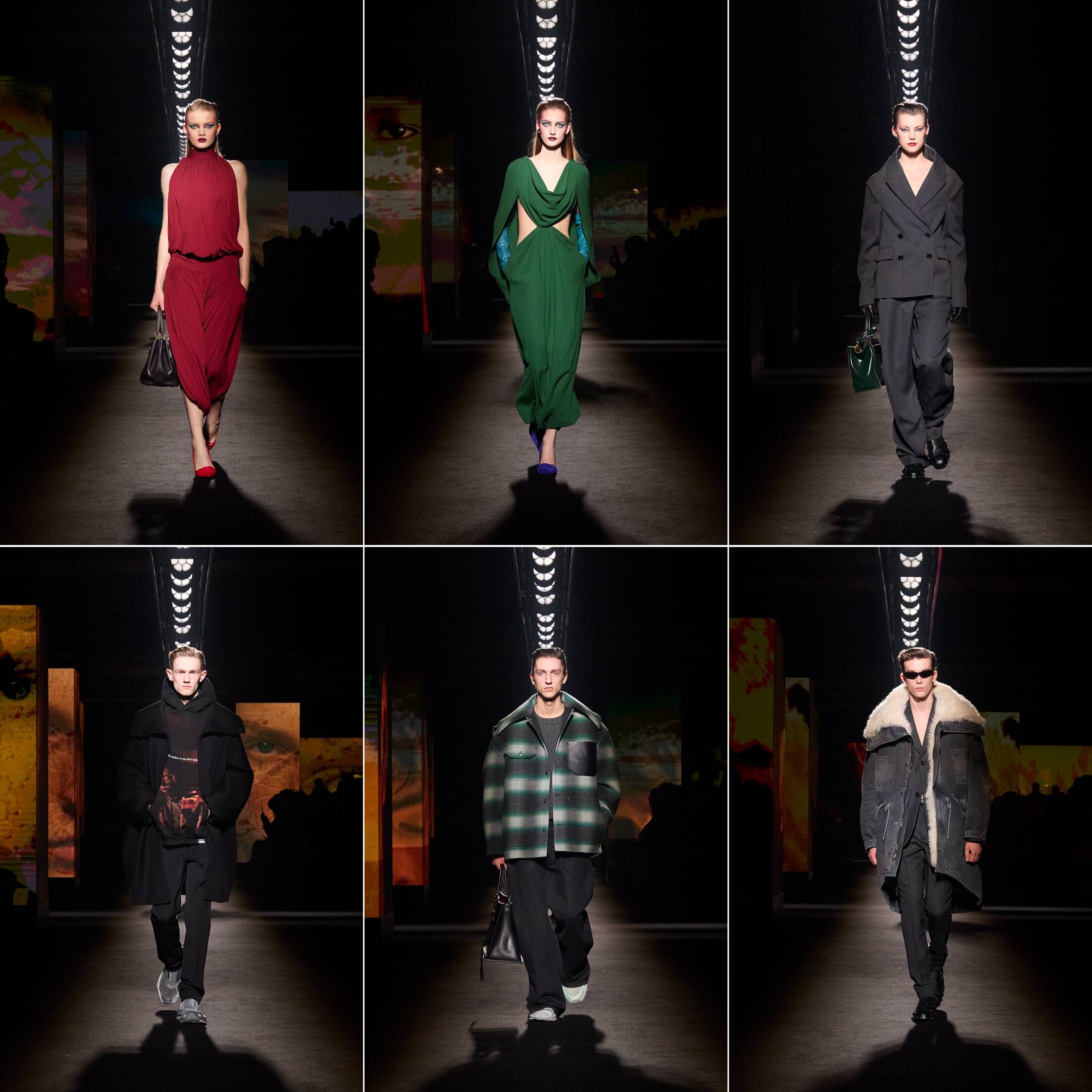
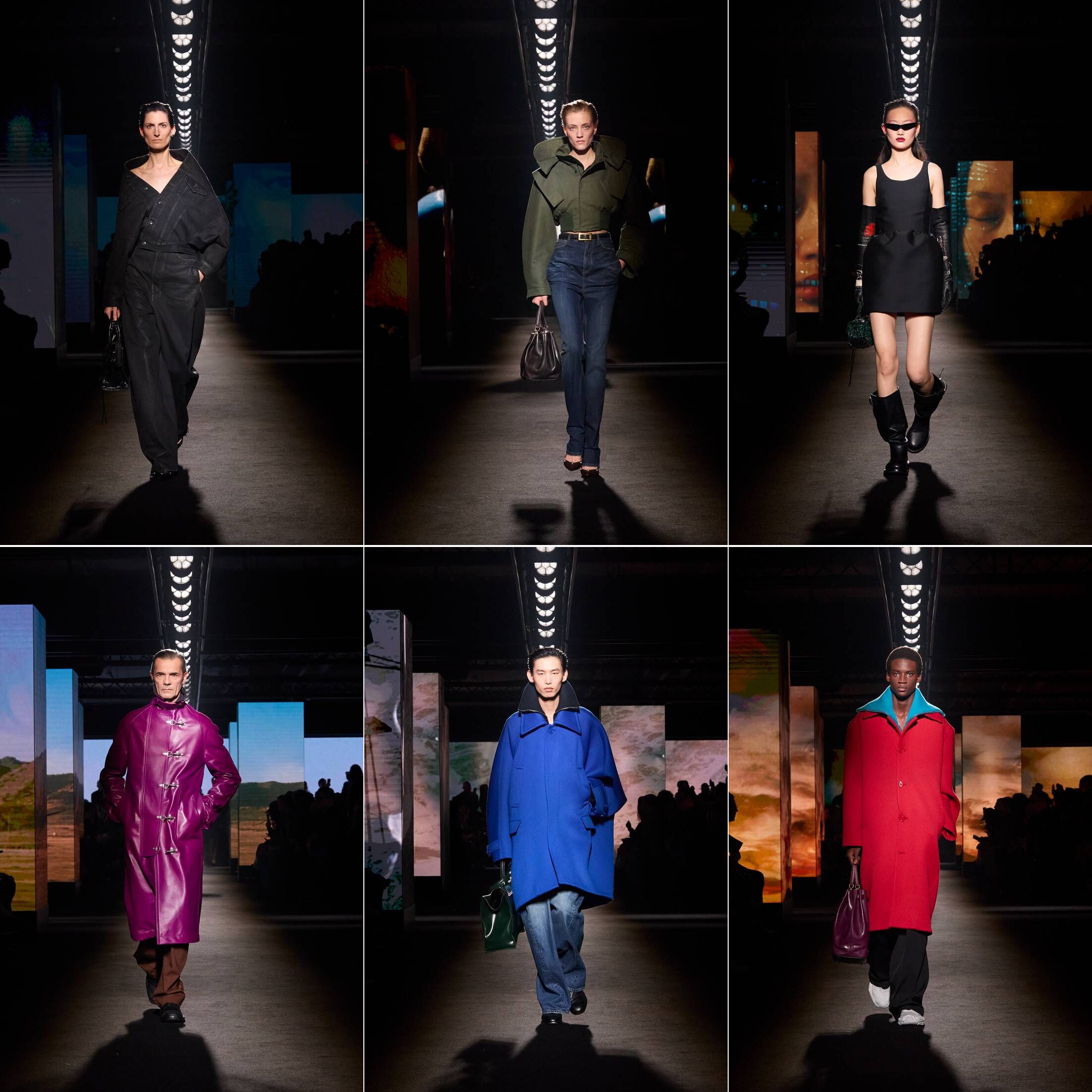
The collection was dubbed ClairObscur, a French term for an art technique that leaned into the Renaissance concept of chiaroscuro or, as the brand explained, “a search for the tension between darkness and light”. At the risk of appearing flippant, that sounded very Deepavali to us. The metaphor of light over/on darkness might have resonated for the European audience, but over here and South Asia, it is very much associated with the Festival of Light in November, but staging it after the fact made it feel belated, like arriving at the party when the candles have already burned down or when the rangoli have been swept away. The clothes were strong and technically accomplished—Mr Piccioli was not necessarily saying light is good. He could be saying that light is a tool to show you how the coats were cut. But against the pillars of projected filmic flashes by Sam Levinson, the creator and director of the HBO series Euphoria, a high-gloss, glitter-streaked autopsy of Gen Z’s collective nervous breakdown, the clothes seemed like bit parts. Euphoria starred Zendaya, who is, notably, Louis Vuitton’s current brand ambassador. A cultural shorthand, no doubt, but isn’t Zendaya’s allegiance with a rival brand?
It was a transparent grab for the youth vote (as is the case with most brands these days), but the Euphoria hype peaked in 2022. A charming little detour that’s finally arrived at a closed gate? Even the images from the TV series applied—beautifully, for sure—on the garments seemed rather post-peak, a cultural residue. Back in the ‘fall’ season of Valentino menswear in 2019, Mr Piccioli collaborated with Undercover’s Jun Takahashi to produce graphics for the collection. The mash-ups appeared on both brands’ pieces. It was Valentino’s first serious attempt at lending street cool to the menswear’s refined sleekness. It felt urgent, fresh, and persuasive—couture elegance colliding with brash street graphics in real time. The pictorial application now, while evocative, was also belated. Pierpaolo Piccioli tried to pivot from romance to edginess, but the edginess leaned on ghosts of Demna Gvasalia and belated small talk for the eyes. It’s hard to decide if what we saw was a creative heartbeat or a marketing echo. For the young, persuasion is crucial, but we aren’t so sure Balenciaga was that resonant. Technically fine may not persuasive make.
Screen shot (top): balenciaga/YouTube. Photo: Balenciaga
 Style on the Dot