For Dior, was Jonathan Anderson meeting 2026 demands with 1880s drama? Risk it for the ruffles
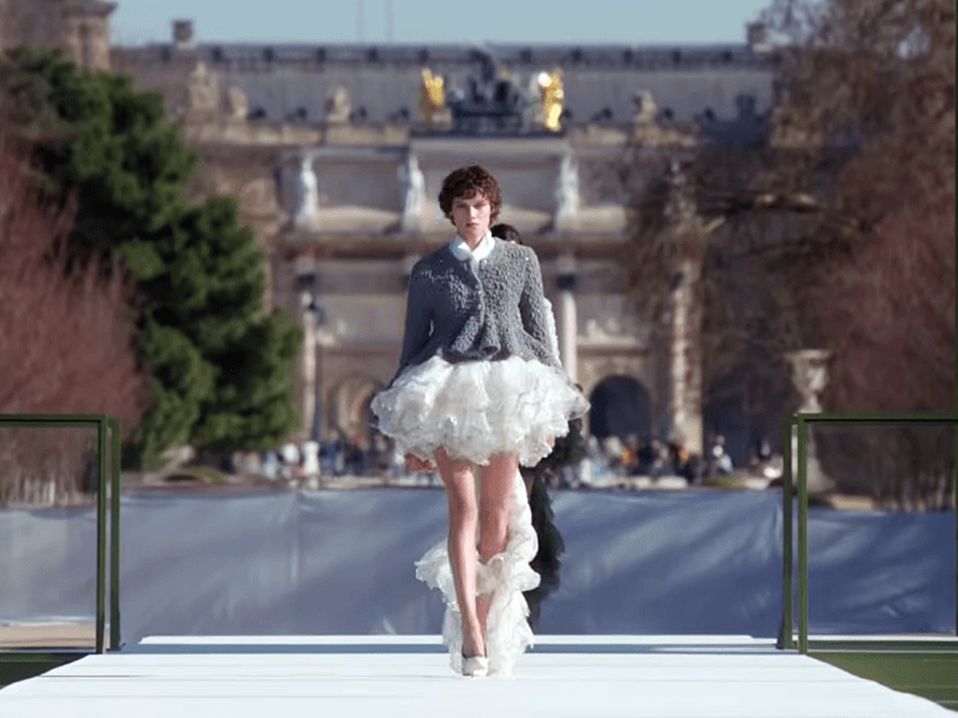
There was an unnaturalness about the whole Dior show this autumn winter 2026 season. First, the simmering weather. We were not in Paris, so we could not tell with complete certainty. According to AccuWeather that day, it was 17 degrees Celsius in Paris, but our friends in the city told us it was more like 25°C. Guests were seen furiously fanning themselves with whatever bit of card they could get their hands on. Then the venue. Dior has built a greenhouse that was never there over the Jardin des Tuileries’s Bassin Octogonal, a 60-metre-wide pond built in the 17th century and situated at the western end of the garden, near the Place de la Concorde. The frame of the green house was in the same green of the famed garden’s chairs. Inside, on the pond were plants that would normally not bloom in winter—water lilies. In Southeast Asia, water lilies (and the easily mistaken lotus) can bloom year round, rising from the mud to flower and then receding. It represents a truth that can’t be rushed. In the Bassin Octagonal that winter afternoon, however, Dior substituted that soulful cycle with static perfection. It’s nature that never wilts, never gets muddy, and never sleeps; it’s the ultimate luxury flex.
But in some ways, it was very French. Dior was playing at some supreme deity, just like King Louis XIV, who commissioned and hoped that André Le Nôtre, the famed landscape designer, could better nature! Monsieur Le Nôtre (and, similarly, the monarch) was consumed by the idea that nature is a raw material to be edited, improved, or faked for the sake of splendour. The Tuileries was designed to be a “theatre of the state”. Mr Anderson had explicitly stated that the show was about the 17th-century ritual of the promenade—on which bedecked strollers paraded to be seen. Just as Louis XIV moved entire forests and diverted rivers to satisfy his vision of natural “order”, Dior built a giant greenhouse (that eventually saw more people than flowers) and planted plastic lilies—likely grown in a Chinese 黑灯工厂 (heideng gongchang, or dark factory)—because the real ones stubbornly would not cooperate with the fashion calendar, even in the sun. It turned the garden from a living ecosystem into a branded set or a watered-down Monet painting, a fantasy. In Dior’s show notes, they described the water lilies as “artificial” and that “a walk through the park becomes a performance.” What isn’t? Even the guests, with their plastic faces, arriving was.
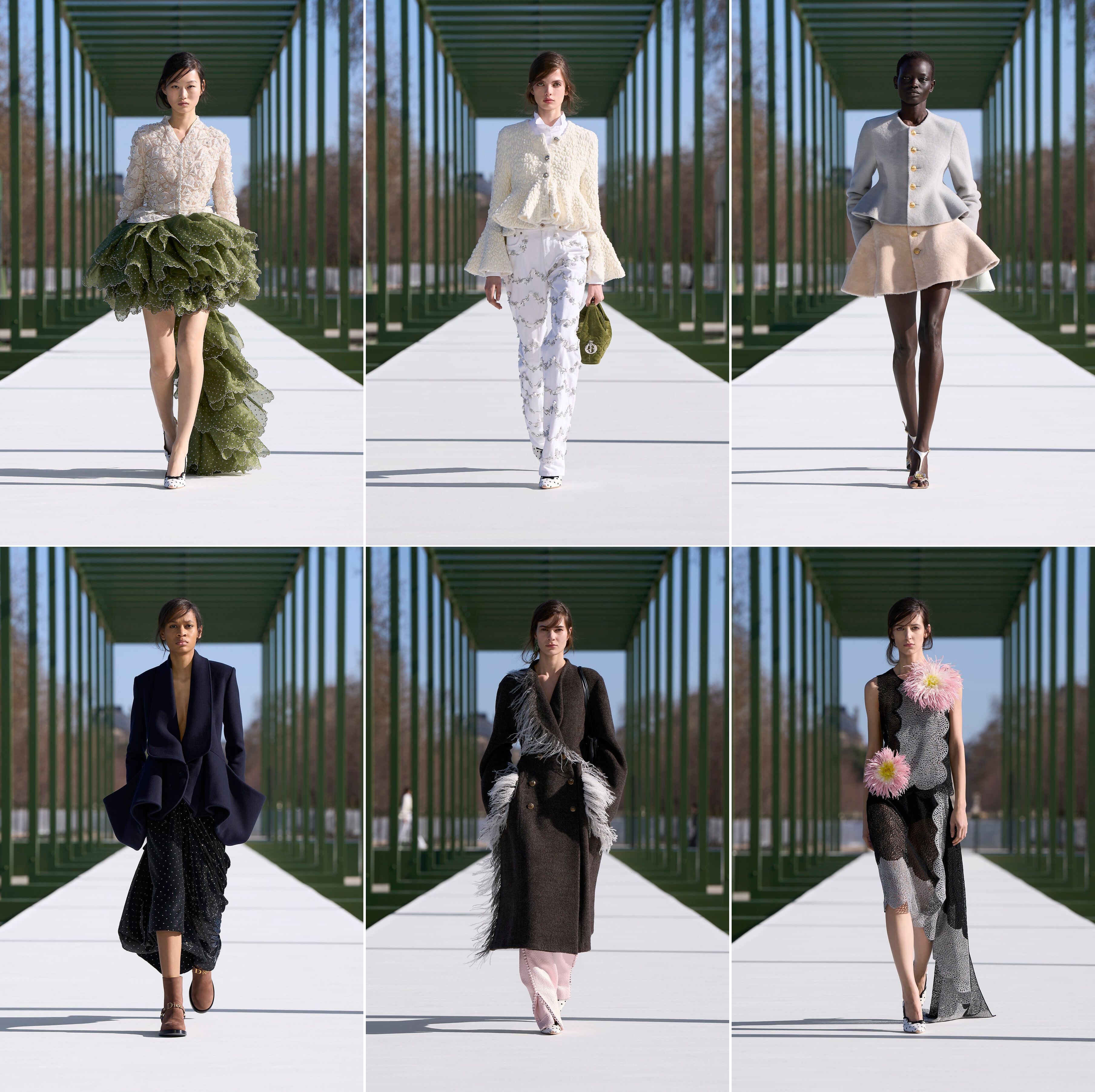
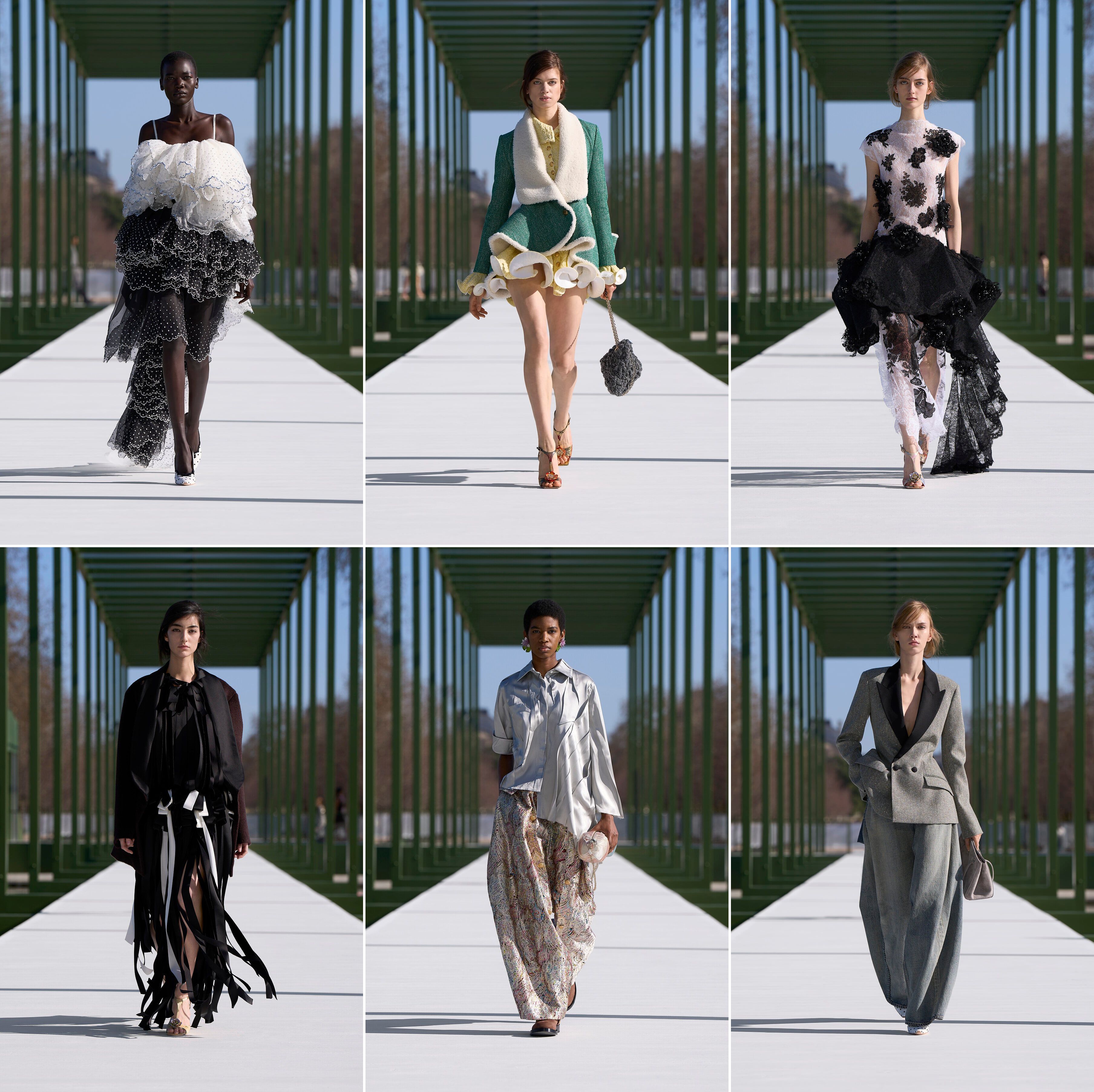
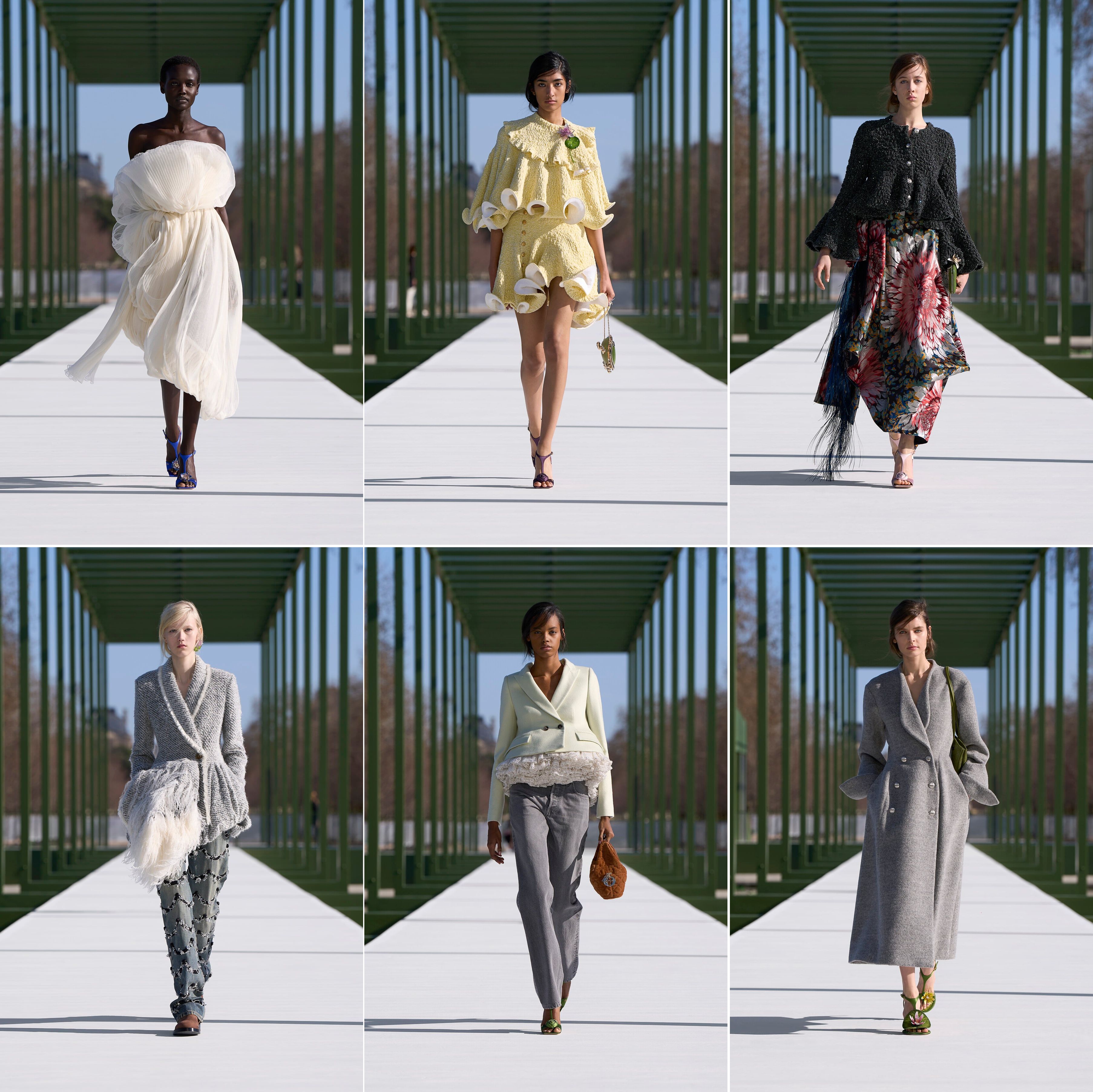
The desire to dominate the environment extended to the frothy collection. If the pond was a simulation of nature, the clothes were a simulation of the past to allow the present to look current. And a confusion of the seasons. But we do know that these days, winter can be summer, and vice versa. Who cares about keeping warm when you have fashion to supplicate to? Or the unseasonal weather? In fact, Mr Anderson kept things light and buoyant. This is achieved through the flouncy strata, mostly skirts that did more flirting than a loose lace of a corset. Short and thigh-skimming, the skirts carried a defiant volume, channeling either a child’s fashion fantasy or a ballerina with an unfortunate take on the tutu.. This could be Dior pushing through the surfeit of the sheer of the past for the statement skirt, like dahlias pushing through dense foliage in late summer. Or, if we keep to the theme, water lilies emerging from the mud. But even coming up from the sludge, the bloom remains pristine. The Dior skirts, admittedly, had a freshness about them. A bud no longer budding, yet was still beguiling, like the titan arum meeting its admirer for the first time. Whether tiered as loosely as the 牡丹 (moudan, or Chinese peonies) or casually cocooned like a tulip, Mr Anderson gave sufficient reasons for a serious flounce-finding mission.
But can a Bar jacket survive being stuffed from the waist down with petaled layers to make the wearer appear expectant? Or a poufed shawl-jacket with a waist that, on the right, looked like a burst of pistillate flowers infected by mealybugs? Or peplums that would need the cooperation of Ozempic and her sisters to behave? To be certain, the collection had its specimen blooms and hybrid vigour, but most of these flounced-up indulgences were strictly one-night stands—destined for a grand entrance and, later, a date with The RealReal. Reviving the peplum and the bustle, we suspect, would risk nostalgia fatigue. The silhouettes, frankly, reminded us of Nicolas Ghesquière’s professional past. Rather than pushing Dior’s codes forward, Jonathan Anderson’s horticultural wet dream, framing Paris as a pleasure garden, reflected an outsider’s romanticising of the city. It is a manufactured mirage, dramatizing fashion’s reliance on artifice to keep the conversation going. The sun, it seemed, was smiling because it knew it was the only thing in the Tuileries that day that didn’t need a Dior label to be baroque.
Screen shot: Dior/YouTube. Photos: Dior
 Style on the Dot