Forget their failed attempt at sophistication, Demna Gvasalia’s debut show for Gucci is a high-octane embrace of skin-tight as the new roomy, vacuum-sealed the new shrouded
Can Demna Gvasalia still shock? Perhaps not. But he can still provoke. Or annoy. And that’s arguably his real currency. For Mr Gvasalia, shock is a one-time headline, but provocation is a business model. The New York Times often notes that while shock burns out, provocation keeps people arguing—and as long as the disagreement is rife, the brand stays culturally dominant. His debut runway collection for Gucci has polarised those still keen to see what he can do, how he can vex, with many finding it marvelous and many considering it underwhelming. Regardless, there is, to us, a same-old trap of depending on his usual archetypes. The risk for Mr Gvasalia is that his underbelly obsession has become a bit of a cliché. His fascination with the dark, the undone, the dangerous, the seamy, the sleazy once felt radical because it exposed fashion’s hidden codes and what luxury tends not to be inspired by. But repetition has turned it into a boutique basic or, worse, vibe-bait.
Nowhere was this more apparent than in his reliance on the hyper-coded physiques of the ’80s and early ’90s gym bunny and the sexed-up heat of the era’s dance-floor, particularly in gay clubs. Used to his oversized silhouettes, we were quite unready to welcome his much aggressive snug. Sure, Mr Gvasalia introduced the tight tee in his last collection for Balenciaga, but we thought it was just one of his usual dalliances with the house . Gucci has been many things, but tight? And so constricted that the pieces stretched flawlessly across torsos with barely a crease. Muscle tees! Even polos clung. Although we are not sure of what types of blends were used, they were the true test of the fabrics’ tensile strength. Even the dresses recall Kim Kardashian’s pre- and post-Kanye West eras. One dress was so tiny only Emily Ratajkowsk would happily fill it. Or, probably, watching the livestream, Julia Fox. Mr Gvasalia’s not courting Milan’s atelier audience, but rabid livestream viewers. Was design as a process even involved?
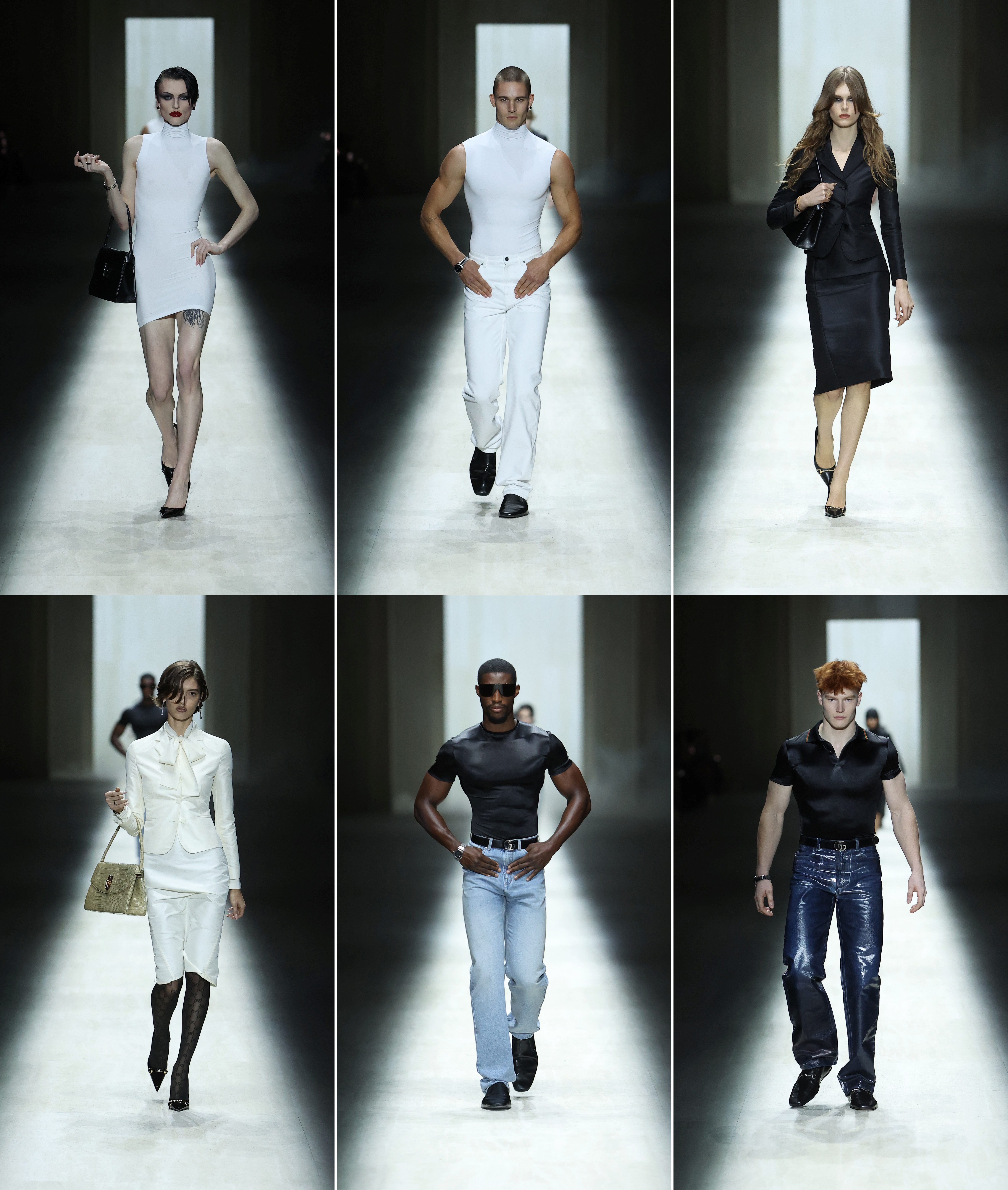
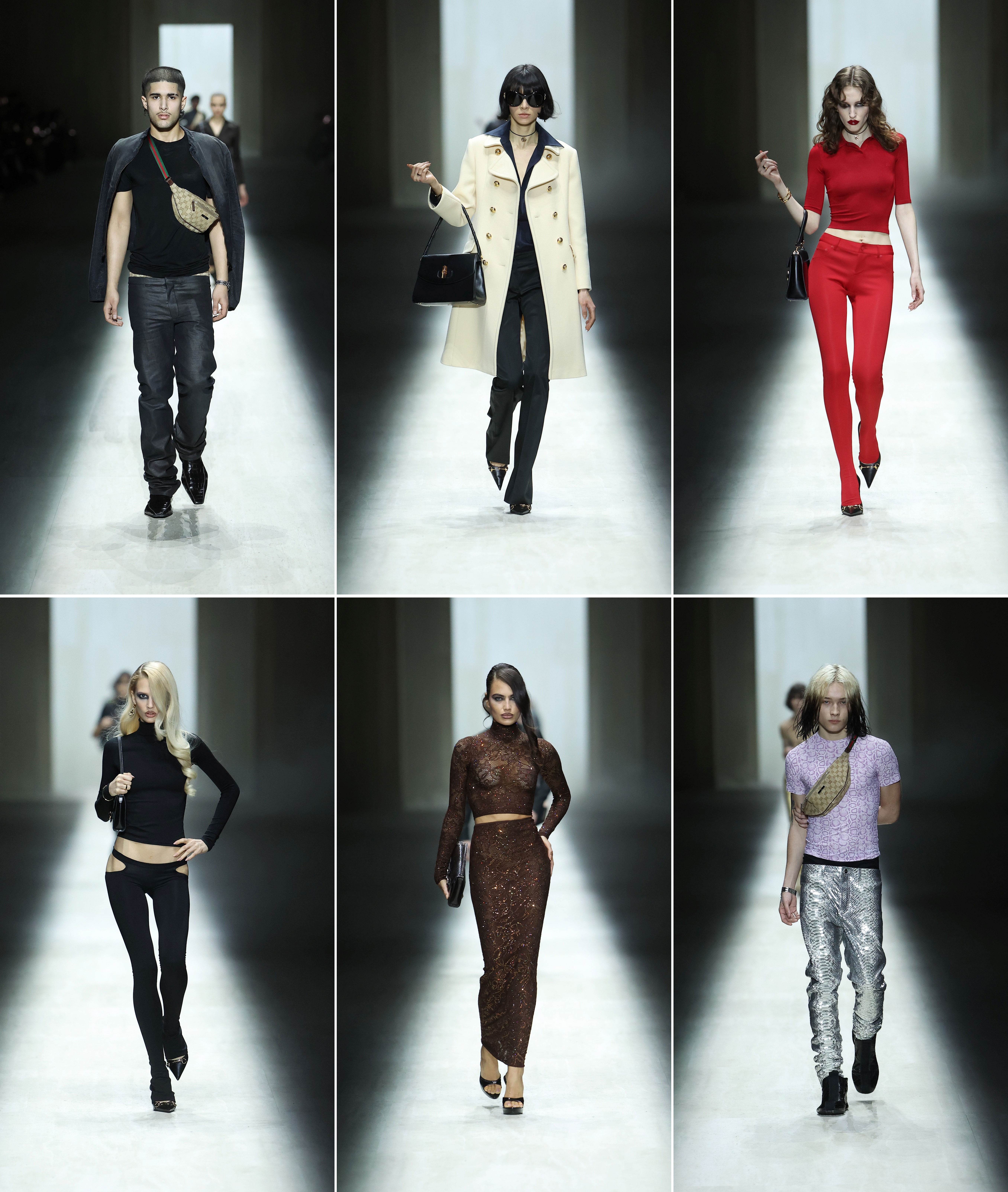
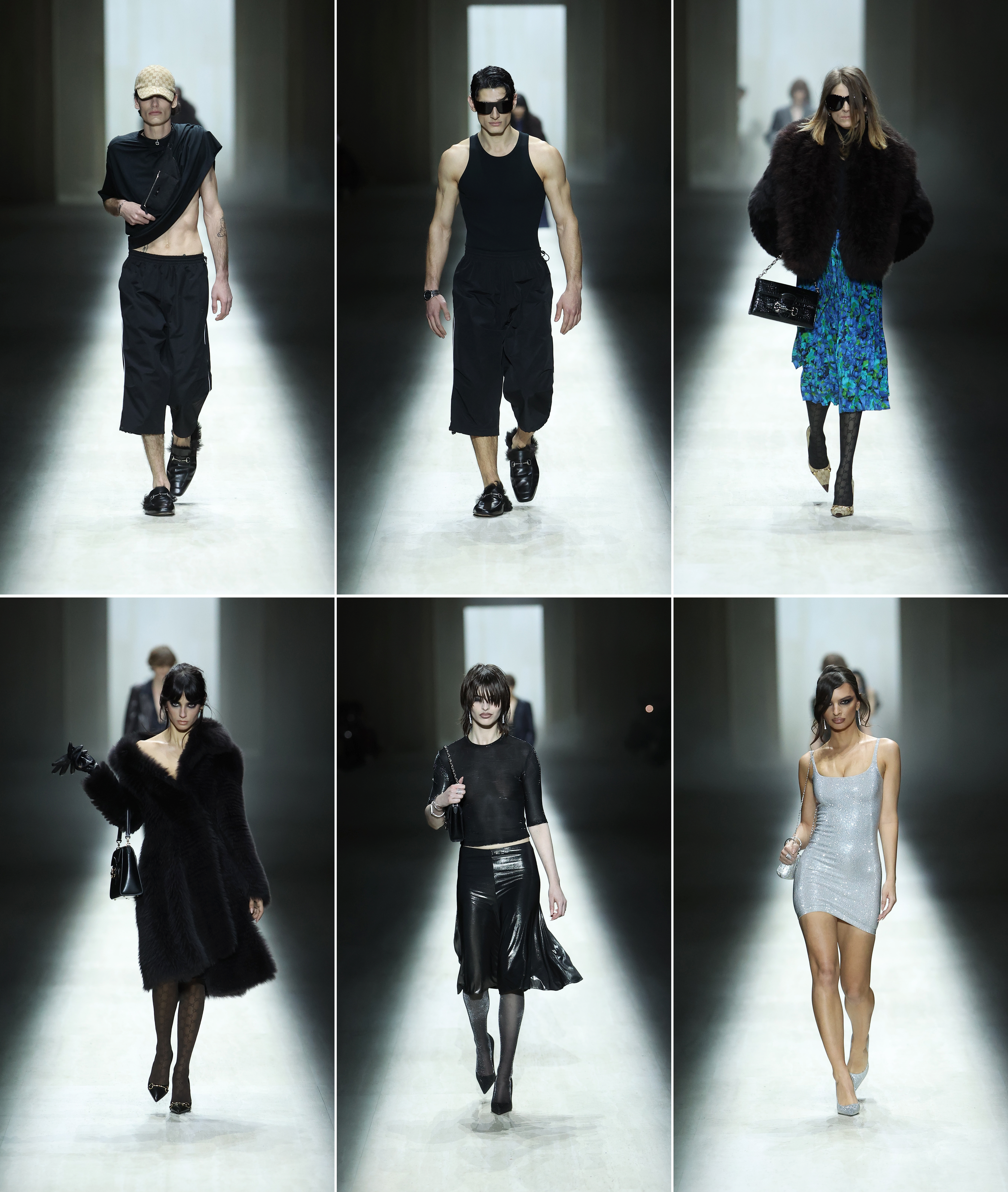
At Gucci, Mr Gvasalia needed to mark territory quickly. If the shampoo-boys-and-girls-from-Muar vibe (the bum bag worn cross-body over a clinging, synthetic torso is the ultimate utility-chic of the ’80s/’90s fashionable service worker) was not enough, Mr Gvasalia recycled tropes of sex-work aesthetics that feel dated, even caricatured. It was homage to heaving chests and shapely rumps. You could almost mistake it for Dolce & Gabbana. Perhaps it was an Italian thing. Or that Medicean obsession with divine bodily forms. Instead of his usual post-apocalyptic settings or the manicured silence of wealthy estates to the frantic gambling of the trade floors in America, Demna took over the Palazzo delle Scintille and turned it into a high-drama “fashion museum”. It was filled with massive marble-style replicas of ancient sculptures: part Florentine temple, part Gucci distribution centre. But it was the Uffuzi Gallery, situated across the Gucci museum in Florence, that was the reference point. The offices also house the Tribuna, a room specifically designed to showcase the pinnacle of callipygian beauty. It is a jarring leap from the sculpted marble of the past to the spandex-wrapped redundancies of the present. Everything was on display, and yet nothing was worth seeing.
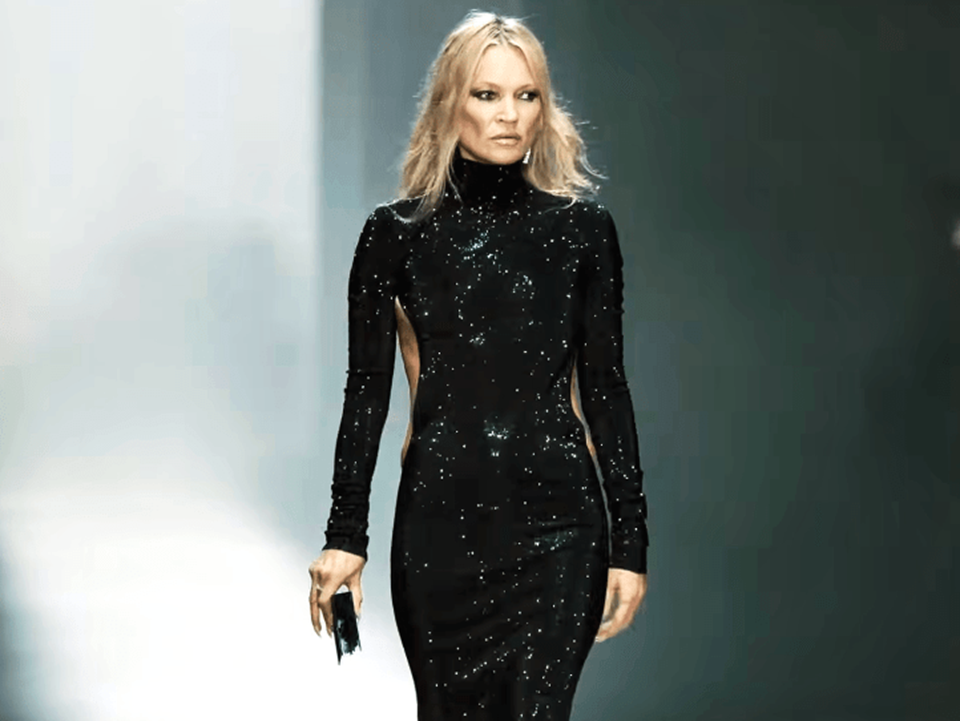
If the muscle-bound polos felt like an aspirational nod to inexorable Bengdom, the finale appeared to be a dig at Continental crass that illuminated the late 90s. Euro-trash has been gathering dust in fashion glossaries everywhere, mostly replaced by cleaner terms like “indie sleaze” or, the feeblest of them all, “Y2K”, but Demna Gvasalia just dragged it back into the spotlight, kicking and screaming in a gold-logo-topped thong. And the person to deliver the eulogy for quiet luxury was none other than Kate Moss herself. Her waifish tyranny had turned into a weathered enchantment, as she sashayed, unblinking, in a body-conscious, irridescent gown, the side seams brought forward to reveal hints of torso and a back so low that it showed the start of the butt crack, only to be obscured by the strategically placed double Gs. While Tom Ford was blamed for encouraging “heroine chic” through Ms Moss back in early ‘90s, Mr Gvasalia is now promoting “Ozempic chic”, and neither more chic, whether in Milan or Muar.
Screen shot (top): gucci/YouTube. Photos: Gucci
 Style on the Dot