Just weeks after winning her crown, Miss Universe Fátima Bosch leveraged her signature move for the second time, abruptly ending a Telemundo interview that dared to ask uncomfortable questions
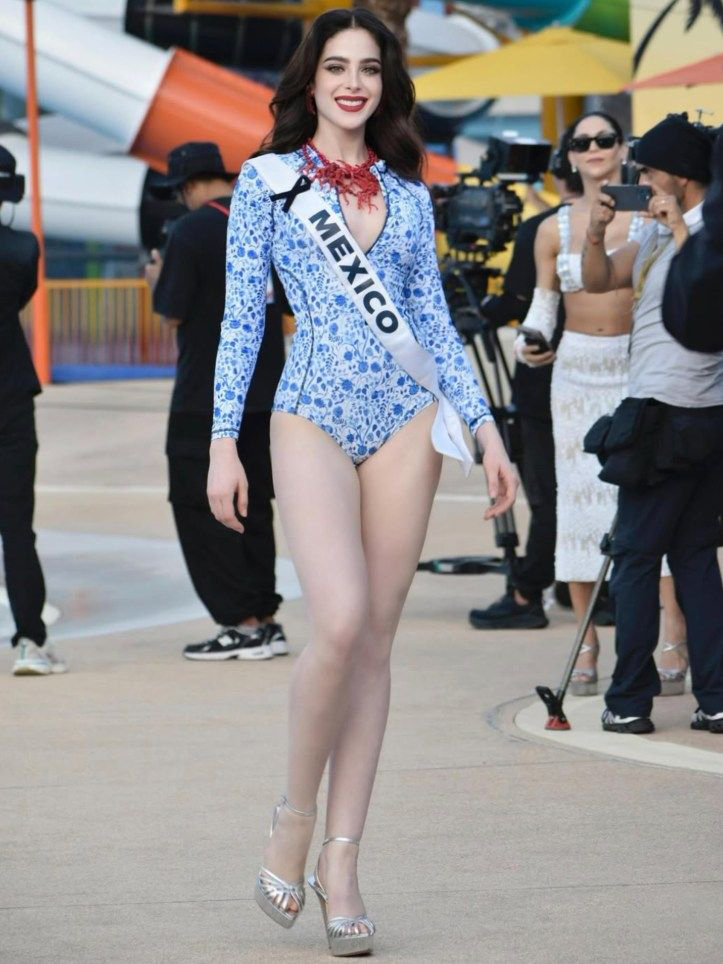
Oops, she did it again. This time, in the Miami recording studio of Telemundo, the American Spanish-language terrestrial television network. It took place mid-recording of an interview for the show Pica y se Extiende (a Spanish idiom that generally means that a piece of news gets complicated and continues to develop). According to media reports, Fátima Bosch walked out after feeling uncomfortable with the questions being asked by hosts Lourdes Stephen and Carlos Adyan, particularly those related to the controversies surrounding her unexpected Miss Universe win and the internal issues of the Miss Universe Organization (MUO). Just a page off the queen’s book of questionable choices.
While there are many diplomatic tools to navigate a difficult interview, Ms Bosch chose a strategic move that reinforced a public narrative of her being a woman who refuses to be disrespected or intimidated. This is her second walkout. First as Miss Universe contestant, when she made an unscripted exit, and now, post-pageant, during a television interview that she thought was not going her way. Two major walkouts in weeks is a powerful recurring theme. To be sure, since winning in Bangkok last month, Ms Bosch has faced intense scrutiny, online backlash, and escalating disputes with pageant officials. But in most professional and public relations contexts, a walkout is considered bad form, unprofessional, and a cardinal sin of broadcast interviews.
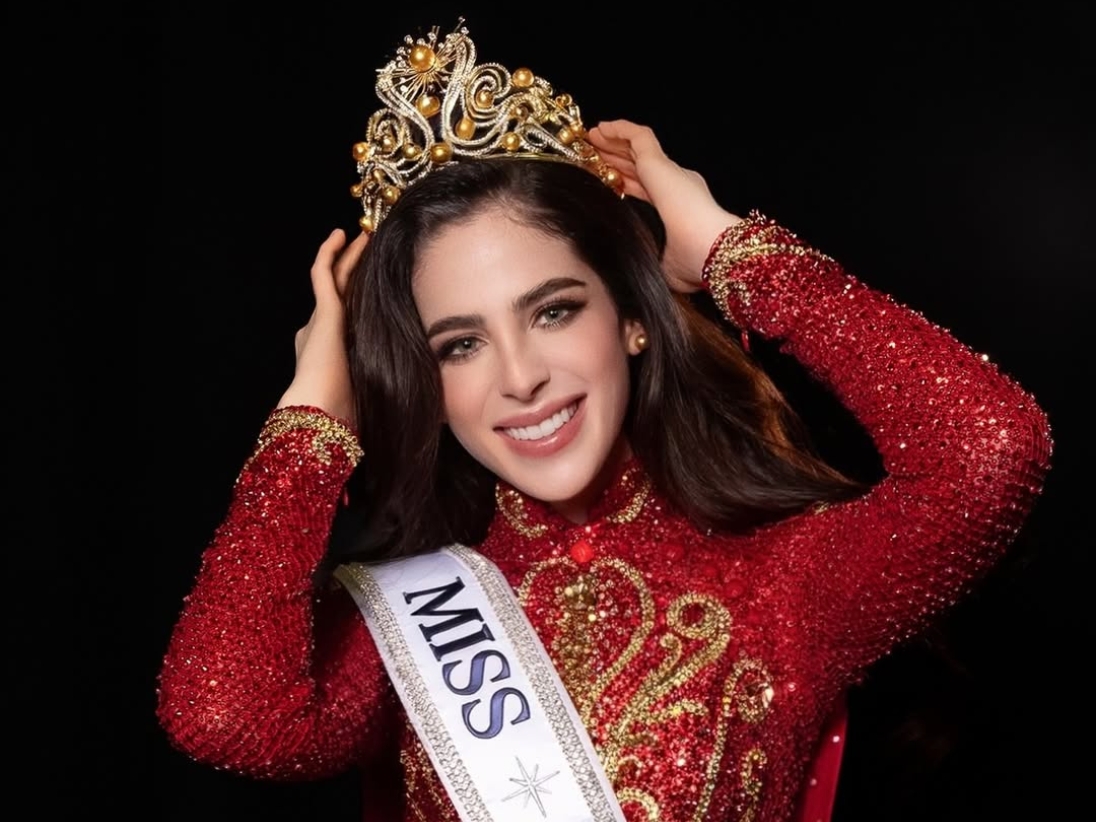
However, she did say to the world that she had a voice. She vowed to use it, to be heard, to stand as the empowered face of a new Miss Universe. And yet, the defining sound of her preliminaries and her reign is not her words, but the echo of her heels leaving the site where she was seized by indignation. She is, in essence, the runaway bride of tough confrontations. She proved that her most powerful speech wasn’t spoken, it was walked. In a media culture obsessed with presence, her refusal becomes its own performance. The walkout itself becomes the headline, overshadowing whatever she might have said or planned to say. In a contest built on answers, Ms Bosch has made absence her reply, silence her spectacle, and departure her legacy. In a following year that will be watched, how many more walkouts can she stage?
She is vocal when it suits her, but walks out when the questions are too tough. The contradiction makes her still-brief reign both fascinating and frustrating—many consider the latter. It is increasingly clear that she is a product of her generation: the voice is the brand, and spectacle trumps substance, control over narrative. She is the living goddess of the generational shift from obedience to institutions towards curated self-authorship, where walking out can be shriller than staying in. Perhaps, that’s why she feels so polarising. Ms Bosch doesn’t just represent her generation, she embodies the parts of it that the rest of us often find baffling, even infuriating. To those not tuned to her generational logic, her behavior appears incoherent, but within her generation’s spectacle economy, it’s coherent: attention is the currency and contradiction is the strategy. Fátima Bosch, with or without the crown, plays by rules that weren’t written for comprehension, but for cornering the market on authenticity.
Photos: fatimaboschfdz/Instagram
 Style on the Dot