Olivier Rousteing is out of Balmain after a 14-year tenure
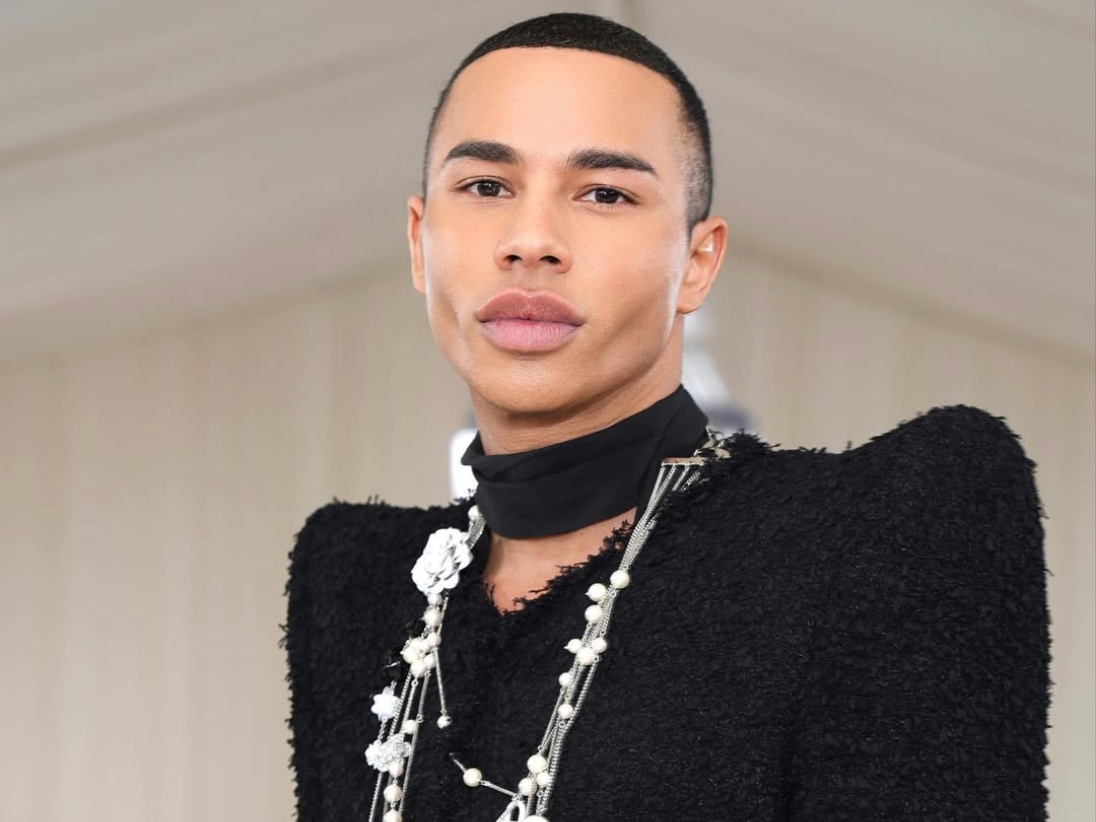
The maximalist Olivier Routeing. Photo: olivier_rousteing/Instagram
Olivier Rousteing’s departure from Balmain comes at a moment of intense flux in the fashion world, following a season marked by record-breaking creative director debuts and unprecedented turnover across major houses—dubbed “musical chairs”. At the Balmain spring/summer 2026 show last month, which turned out to be Mr Routeing’s swan song, there was no public indication or speculation before the show that he would be stepping down. His departure closely followed Véronique Nichanian’s exit from Hermès after 37 anodyne years with the house, marking the end of two of the longest tenures in modern fashion.
Mr Rousteing announced his exit via Instagram, calling it “the end of my Balmain era” and describing his tenure as “a love story, a life story”. Balmain confirmed the news, stating that a new creative direction would be announced “in due course”. The designer gave no indication of his next move, but emphasized his pride and gratitude toward his team, calling them his “chosen family”. It’s the typical diplomatic niceness on both side. However, when someone calls his employment a “love story” and yet walks away without a clear next chapter, it is tempting to ask: was it mutual, or was it a breakup? We will never know.
It’s the typical diplomatic niceness on both side. However, when someone calls his employment a “love story” and yet walks away without a clear next chapter, it is tempting to ask: was it mutual, or was it a breakup?
His fans often say—and still do—that Mr Rousteing fused Parisian tailoring with Instagram-era maximalism, making Balmain not just a brand but a spectacle. This is, in fact, polarising. The polarisation wasn’t incidental, but engineered. He played aggressively with provocation, knowing that in the algorithmic age, taste is less powerful than reach. And reach he did. Yet, it is not clear how many people actually bought his clothes. Balmain (including the cheaper Pierre Balmain line) exited our island years ago. Many have said his clothes were popular on the red carpet, but which? We hardly ever see them on at the Oscars or Cannes.
Mr Rousteing’s designs for Balmain frequently screamed. And in doing so, they centered bodies and identities that fashion was thought to have sidelined. He brought together Black glamour, queer spectacle, and celebrity (Kim Kardashian, Beyoncé, Cher) as cultural authorship. He understood that polarisation creates creative sovereignty. By refusing to be neutral, he made Balmain a site of cultural debate. You could not decide whether more that half of what he did was fashion or costume, luxury or performance, empowerment or excess. These contrasts kept Balmain visible, and Olivier Rousteing too.
 Style on the Dot