This is not a revival; this is Chanel for now
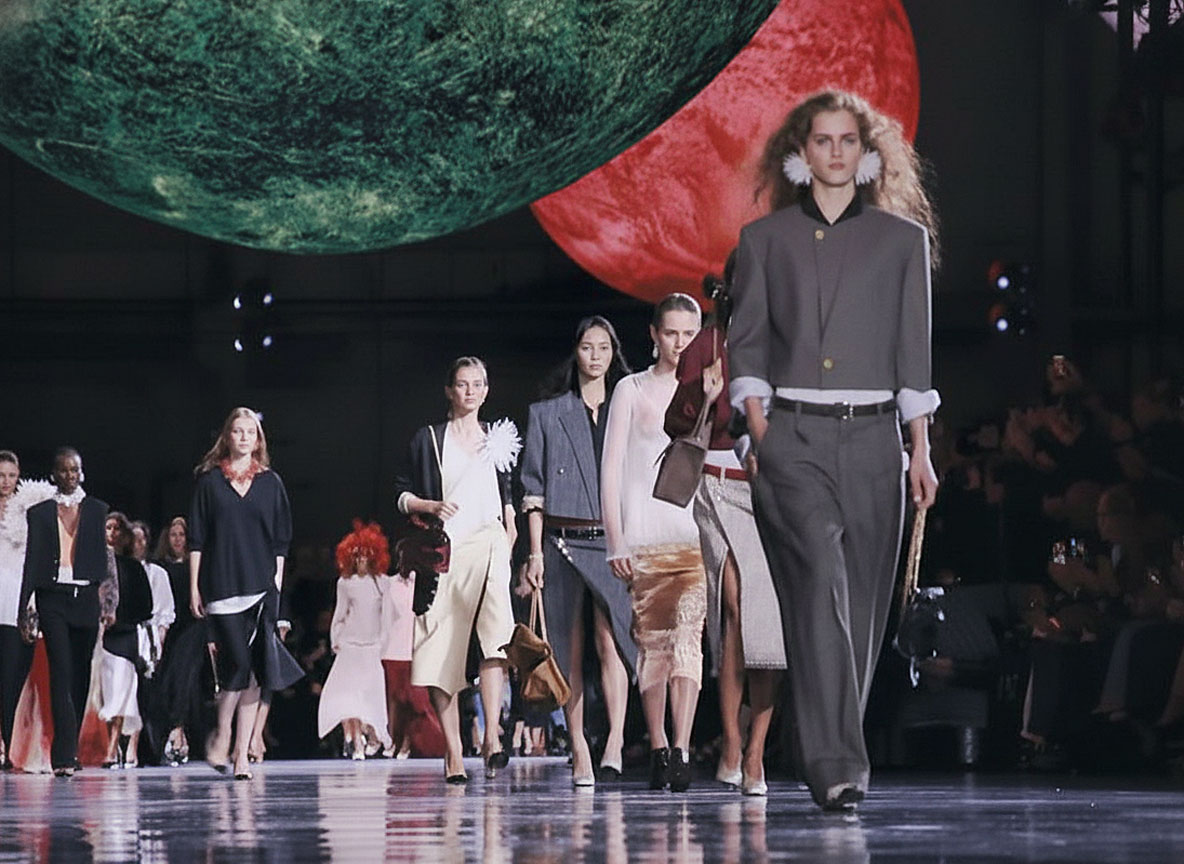
You’d never think there could be an untucked shirt for Chanel. But there it was, and three of them—one a roomy, wing-tip, dinner shirt and the other a boyfriend Charvet, both worn over a wonderfully swishy, two-layer skirt with a train. And another a cropped version with patch-pockets teamed with a sumptuous feathered skirt. This simple, yet radical, gesture is a bold departure from the customary for the house, perfectly encapsulating how Matthieu Blazy is bringing overdue modernity to Chanel. Such an amiable detachment was rarely, if ever, seen at the home of the tweed, and was, for that very reason, shocking to see. A shirt that looks that simple is, however, likely a technical tour de force. The cotton poplin shirt, if Mr Blazy is to be understood, belied the cut, the drape, and the fabric quality. The proposal here is that the everyday need not have to look everyday. The focus as we saw throughout the collection was focus on the wearer, not the costume.
But, to most people, Chanel is not about the everyday even if they buy the Classic Flap bag for everyday use. Yet, historically, Chanel is fundamentally about the everyday, or at least, the principles that make clothing wearable and practical for a modern life. This goes back to Gabrielle ‘Coco’ Chanel herself. Her entire vision was a rebellion against the restrictive, to decommission the non-functional costume of the early 20th century. She championed liberation, not restriction, and more importantly, comfort, simplicity, and being able to move with total ease. Mr Blazy told BOF that it was a photo of Chanel wearing a mens’s shirt that truly got him going, not the overwhelming archive. He took this visual, rather than material, heritage of utility and filtered it through the contemporary lens of “real clothing”, a concept he has long championed. But this was not the realness of a literal casual outfit. It was a statement that the attitude of ease is the ultimate luxury. That, in itself, is a proposal of considerable appeal.
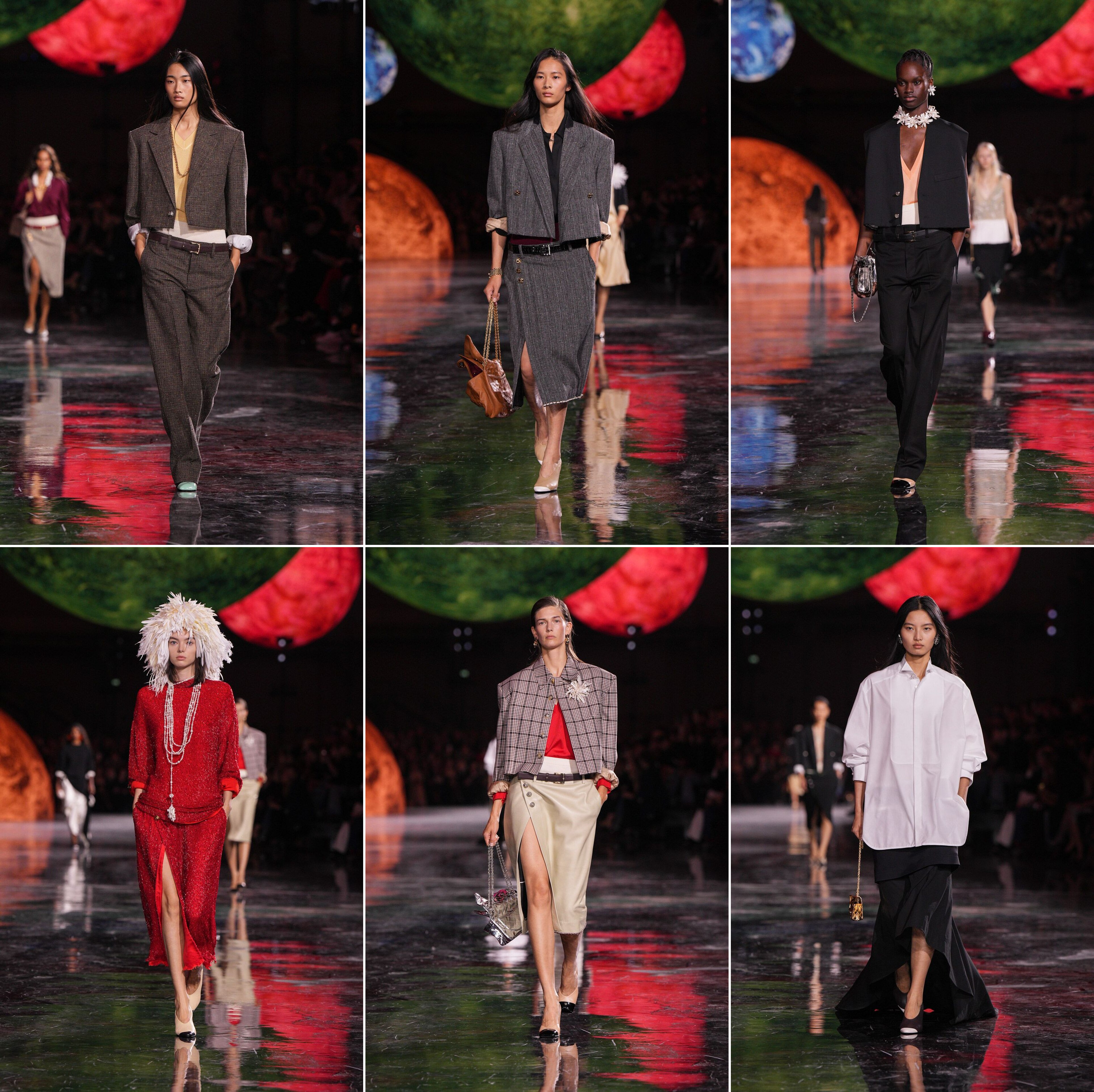
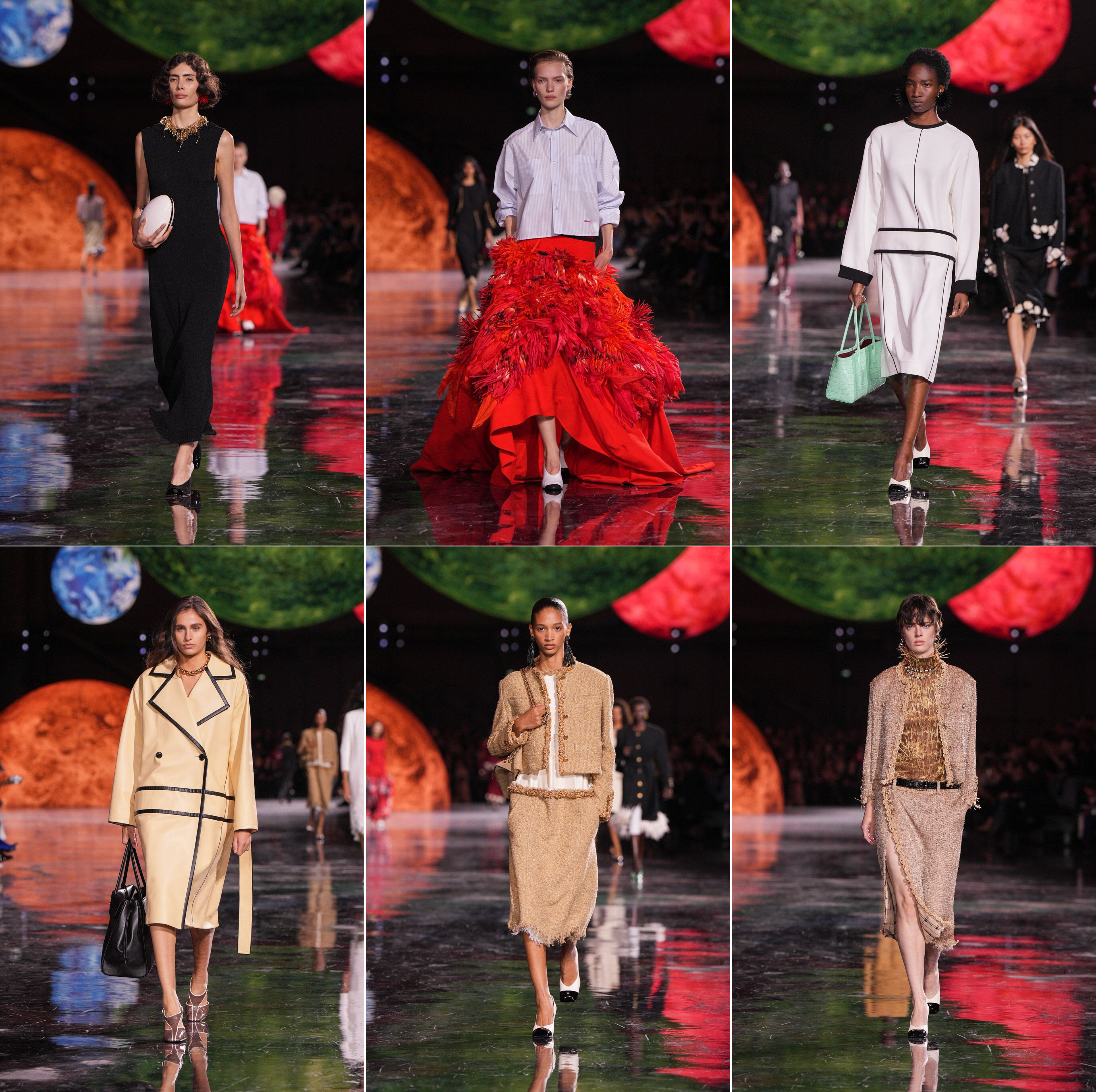
But Mr Blazy was well aware that customers, brand watchers, and the media were not holding their collective breath for a loose shirt. They came to witness the brand’s commercial engine—the bags reimagined, or the balance of tradition and disruption—would he stay as a loyalist or revolutionary? But perhaps more crucially, how the tweed would be re-imagined—would he shed his predecessor Virginie Viard’s dowdy silhouettes? Mr Blazy cleverly build the anticipation by not showing the tweeds. The show opened with men’s-style suits in classic suiting fabrics; the jackets were cropped, and given moderately extended shoulders. They gave the impression that the tweeds would be removed, but was clearly included to cater to the many Bottega Veneta fans who were drawn to the very same style of tailoring that Mr Blazy introduced.
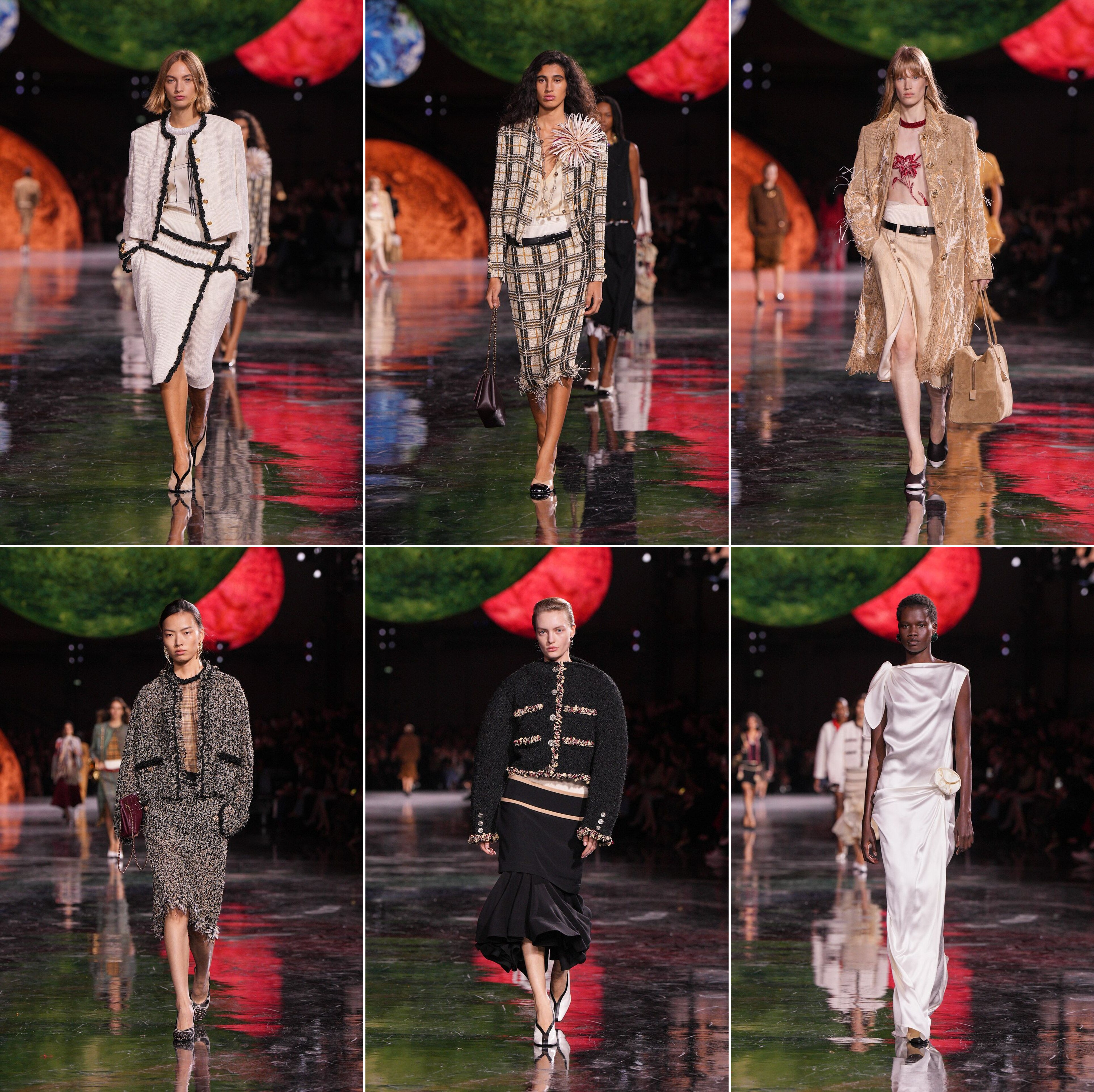
It was only after the 30th look that the tweed outfits finally appear. What has been a static symbol of established luxury is now a slew of garments with graceful movement, caressable texture, and relaxed modernity. In sum, the tweeds were liberated, in skirt suits that looked nothing like what has been offered before. Mr Blazy tampered not only with the proportion, but with the spirit too, moving away from the more controlled, traditional treatment of Chanel’s most desired and recognisable articles of clothing. They were now less stuffy, their shoulders more relaxed (in a few, they were rounded), carrying a palpable sense of yielding comfort. There was a touch of playfulness in the tweeds themselves—some monochrome, some colored but muted. Just as delightful were the skirts: still slim, but easy-fitting. Some were worn low-slung, even askew, with frayed hems in a few, affecting the desirable dé́sinvolture that the French have a knack for.

Accessories have always been integral to Chanel’s business. Despite the constant and aggressive post-COVID price increases of the bags and footwear, their appeal has never waned. Mr Blazy offered a rather staggering range of bags and shoes, fully aware of the category’s appeal. Standouts were the ovoid minaudière clutch, and the globular ones held by their chain straps, like a thurible. Some of the classic quilted bags were updated: one with the flap removed that looked more structured, others seemingly deconstructed to go with the slouchiness of clothes. And some, totally un-Chanel, such as the rectangular bag with colour-blocked panels that had more than a whiff of the ’70s about it. For the shoes, it was hard to see clearly, given how swiftly the models walked, but obvious was one pair of pumps that looked it morphed from bowling shoes. The accessories were not merely updated, they reflected the attitude that shall wear them: unburdened.
Just as memorable was the expansive show itself, now back at the Grand Palais. It was homage to the latter years of Karl Lagerfeld, who introduced the famously big sets to the maison he designed for 36 years. This time, Mr Blazy made sure it was spectacular to match the clothes: intergalactic calmness of soft-glowing planetary bodies that belied the controlled ferment of the collection. And for a touch of nostalgia the set didn’t bring, the models walked to an inspired mix of music that culminated in the instrumental version of Rhythm is a Dancer by The Berlin Orchestra and the vocal version for the finale. The triumphant driving beat was, no doubt, the up-thumbing of the triumph of design. When he finally walked out for the customary bow, Matthieu Blazy did not emerge to just a standing ovation, but to a loud and rousing cheer. Before this, he was a relatively unknown designer. He won’t stay that way any longer.
 Style on the Dot