At Mugler, Miguel Castro Freitas’s debut was a collection so many brand purists have been waiting for
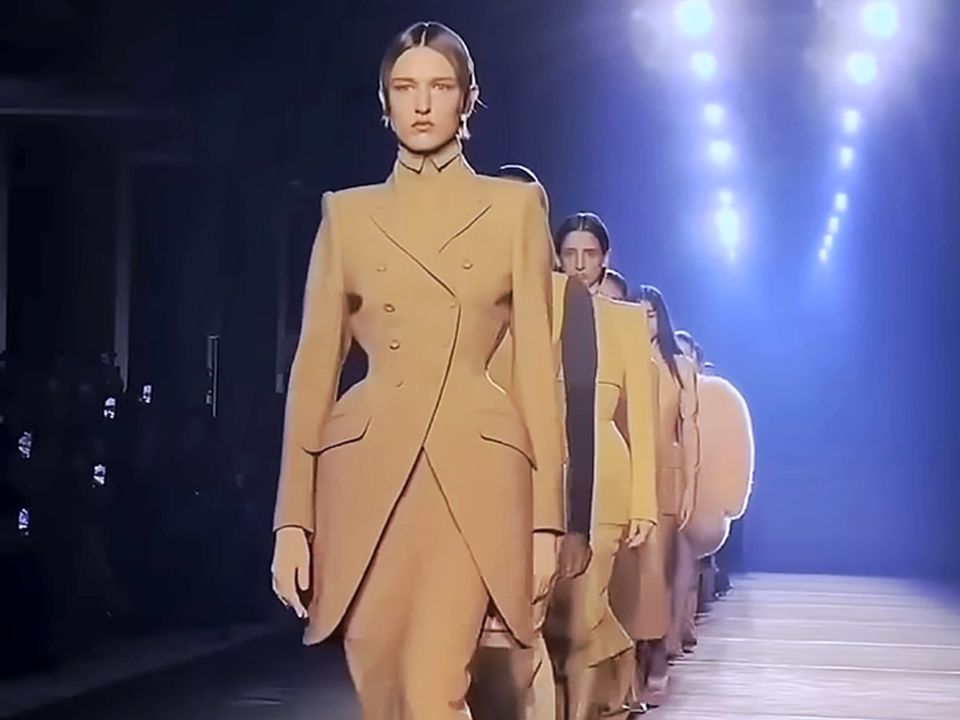
In the current round of fashion “musical chairs”, the polite description of the high turnover and instability in creative director roles at major luxury houses, Miguel Castro Freitas started his tenure at Mugler by offering an achorage of affections. He did not just respect the house legacy, he actively embraced and enhanced its core aesthetic for the Spring/Summer 2026 collection. Everything (well, almost) that is synonymous with Mugler was there: the sharp tailoring, the sculptural silhouettes, the commanding shoulders, the body-respectful shapeliness. As a former dancer in his youth, as Thierry Mugler himself was, Mr Freitas understood theatrical sensuality. And it showed. Yet, for all its flash, the deeper thematic elements were surprisingly grounded.
The collection, shown in an underground carpark without the grandness of a HDB build, was titled Stardust Aphrodite—an undertone of camp that juxtaposed high cultural myth with old Hollywood brio. Mr Freitas, aware of the maison’s affection for celluloid royalty, evinced a somewhat rogue lustre that is rarely seen today. It was magnificent, exaggerated, and theatrical. It deliberately elevated a simple synthesis of the deific and artifice to an epic, self-aware piece of poetry. The house of Mugler, both under Thierry Mugler and now with Mr Freitas, thrives on the sensibilities that define camp: the spirit of extravagance. While past designers, such Nicola Formichetti, David Koma and Casey Cadwallader, tried restoring the brand’s original splendour, they often rendered it brazen.
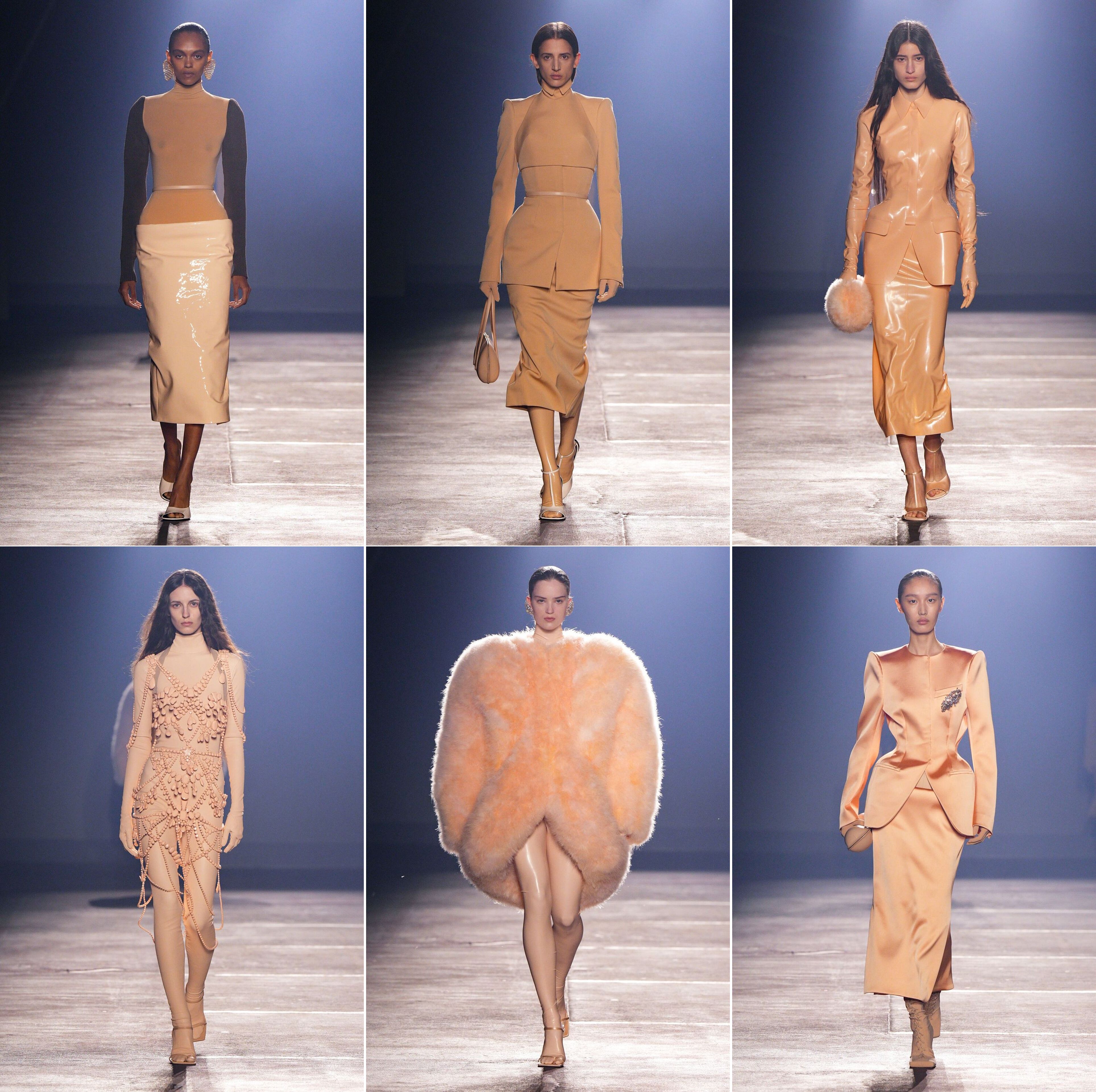


But the collection did not necessarily smile politely as Aphrodite would, not when a dress with a draped neckline hung from earlobes or, in another, from nipple rings framed within the bare areola. It was as if counterpoints to the other seemlier looks were necessary. Yet, these instances of transgression were not random shock value; they were the direct result of the technical dexterity that allowed Freitas to manipulate fabric into the very constraints he then subverted, proving that true spectacle requires a foundation of absolute mastery. That Mr Freitas was able to pull of much of the architectural precision of the collection surprised no one. He is one of those behind-the-scenes guy who happened to have worked at some of the most storied fashion houses, alongside some of the most regarded names, from Dior under John Galliano to Dries Van Noten.
The technical mastery required to articulate forms that were both provocative and evocative, where skin and structure were a sweet spot of creative tension, is the expected result of a résumé built in the atelier. However, what did not work for us was the odd colour palette, the dominance of that shade: What do you call the colour? Tan? Fawn? Nude? A uniformity of the underwear drawer? Or Giambattista Valli’s predictable neutrals? This unexpected emphasis on what could be a beige of a bureaucratic persuasion felt like unnecessary creative compromise. It seemed that, while Miguel Castro Freitas has mastered the Mugler femme fatale or “showgirl”, as it were, he has yet to fully commit to the house’s more persuasive chroma-as-drama.
Screen shot (top): reinsonrobertson/YouTube. Photos: Mugler
 Style on the Dot