No major surprises, but many of the pieces, now in the hands of Demna Gvasalia, do look rather desirable. It’s about time
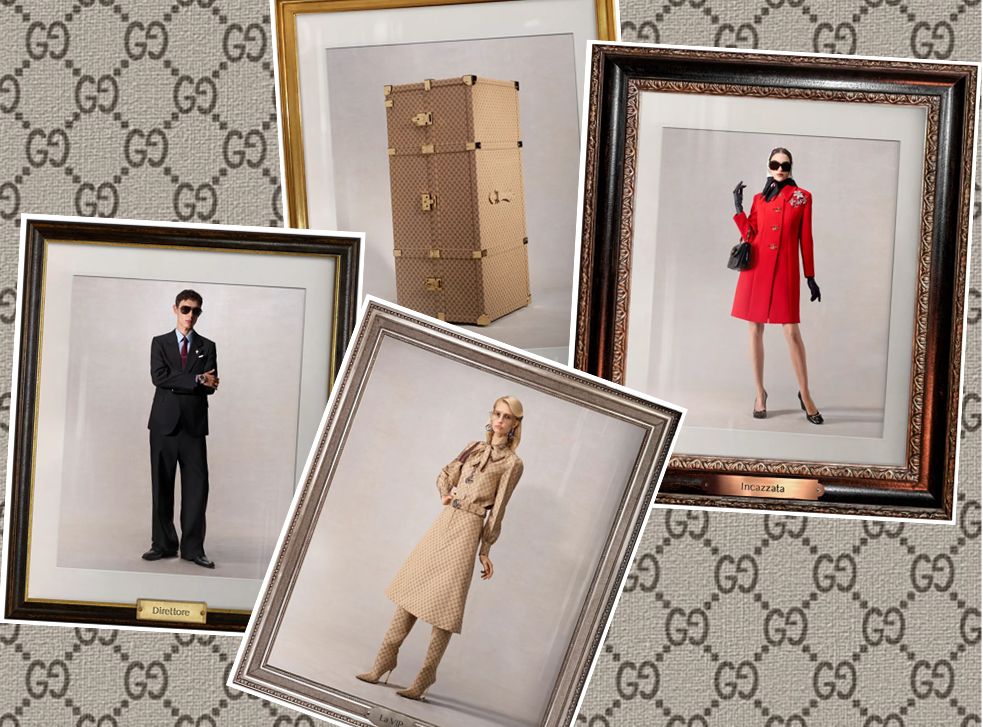
No one expected it, so when the images dropped yesterday, it was quickly shared online, and dissected. The waiting was over. These were images from the brand’s look book that, surprisingly, Gucci shared—every single one of them—on their socials. And the reception has been wildly positive. One IG post shared no images, only the bold text: “Every look in Demna’s first Gucci collection is so good.” Gucci needs favourable reviews desperately, and it looks like they are going to get them. One SOTD reader texted us within minutes of the images going live with two short words, “Love It”, and five exclamation marks. This could have been a five-star review in that many words. Demna Gvasalia delivered.
The 37 studio images were released ahead of Milan Fashion Week and a film scheduled for streaming later this evening. Each photo was framed—and differently, as if from the walls of a Florentine villa elegante of a very wealthy and powerful, and a tad eccentric family. In fact, the collection is called La Famiglia (a family). It is rather a famiglia familiare. A hallmark of Mr Gvasalia’s work from his days at Vetements and Balenciaga was the character-driven collections, often of the underbelly of society, sometimes even the mundane, such as a dad with a child in a park, a bored journalist on her way to work, or a hooker plying her services. He found a kind of dark beauty in the ordinary and imbued it with wit.
The archetypes have now shifted dramatically. For Gucci, Mr Gvasalia focused on a rather different set—still motley personalities but are explicitly and unashamedly glamorous. It’s a cast, as theatrical as those of his time at Balenciaga, that comes with straight-to-the-point descriptors, such as “L’Archetipo”, “La Contessa”, “La VIC” (Very Important Client), “Il Bastardo”(!), and even an Ah Beng in the form of the “Peasatone” (heavyweight, a phrase used ironically). The new characters celebrate pleasure and pure excess. The tech bro of the past has turned party prince. The fashionista has shed her oversized trenchcoat for something more akin to the fag hag-with-the-endowment-fund’s—short faux tiger fur coat, worn on its own.
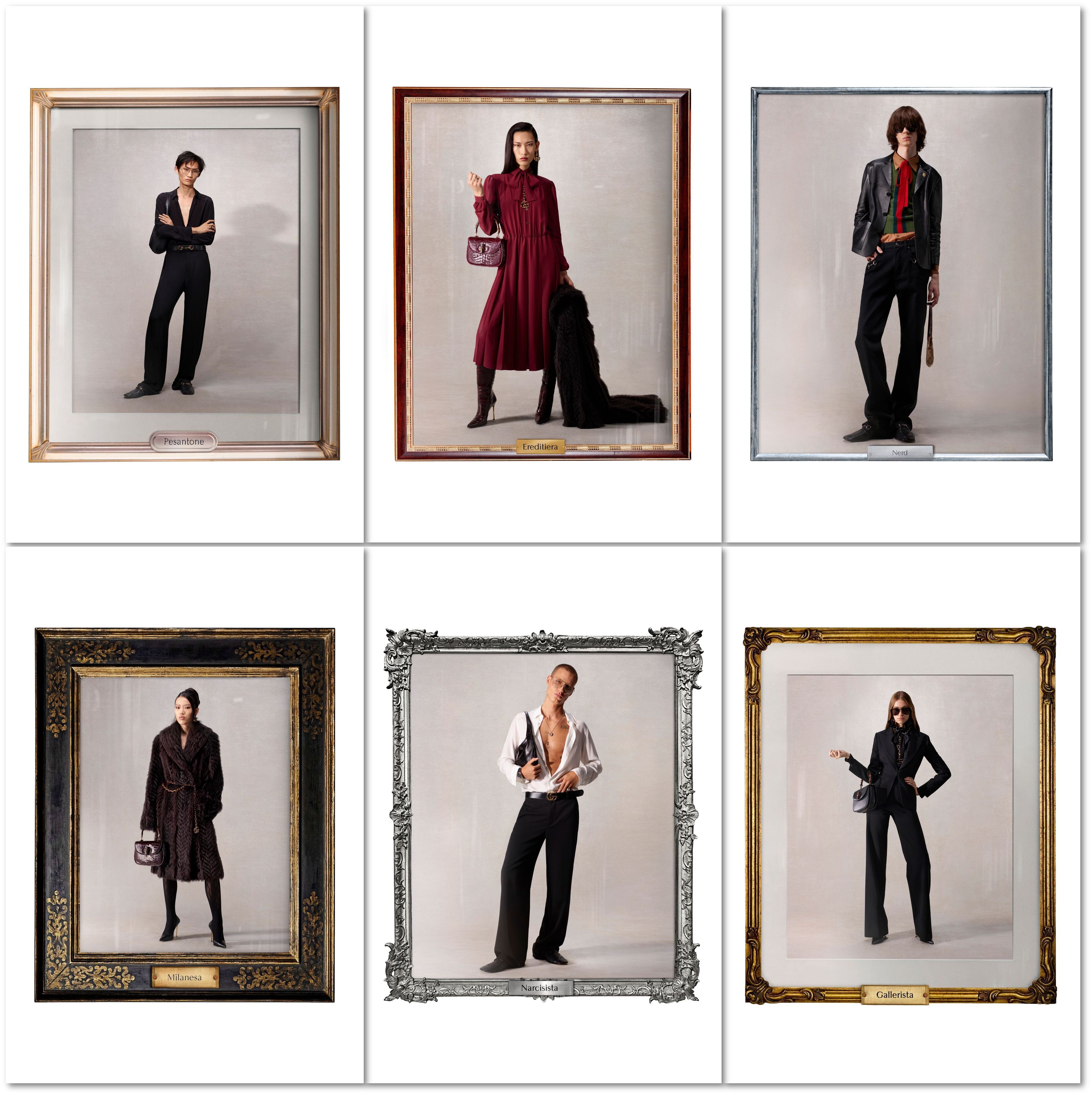
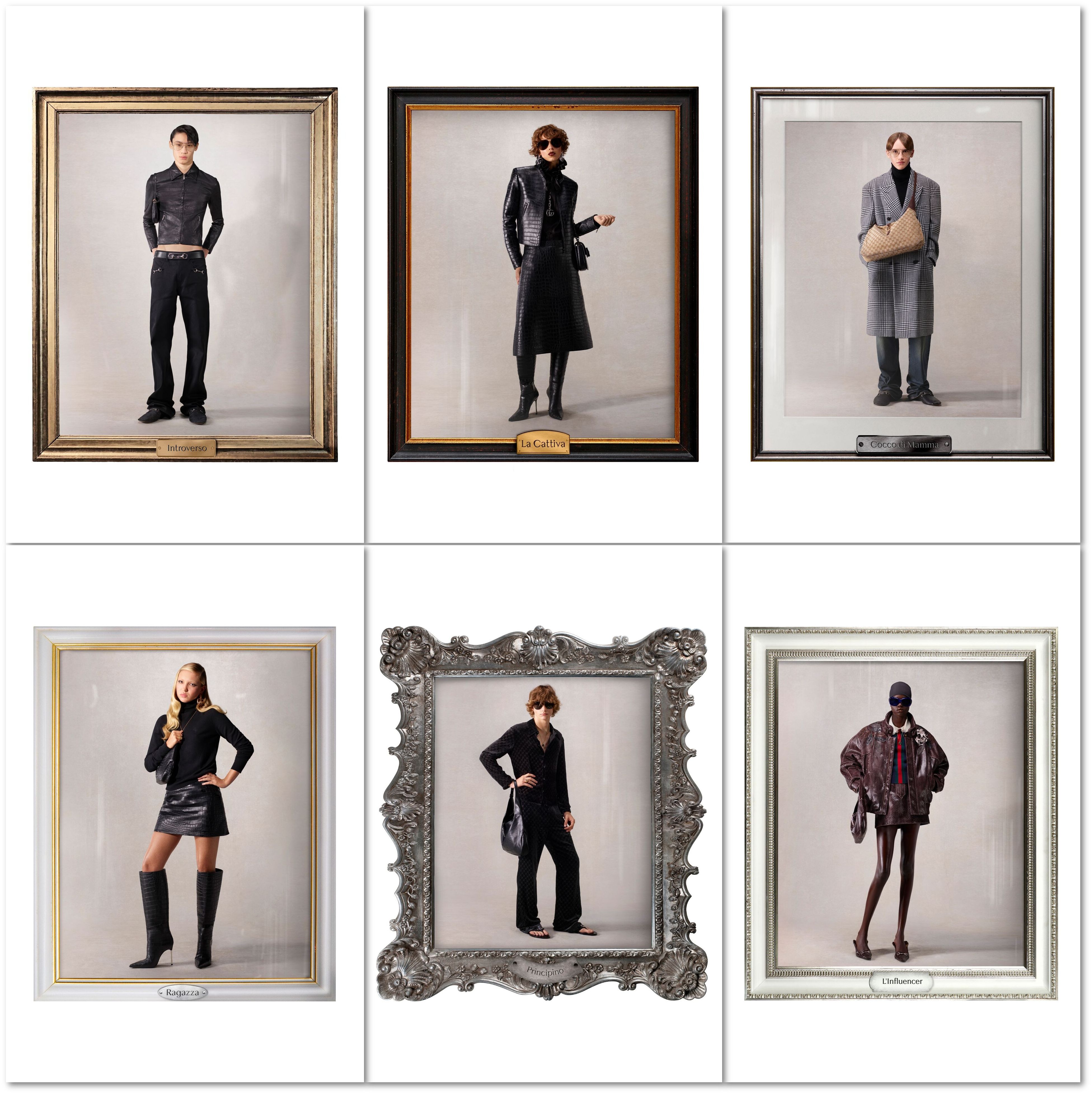
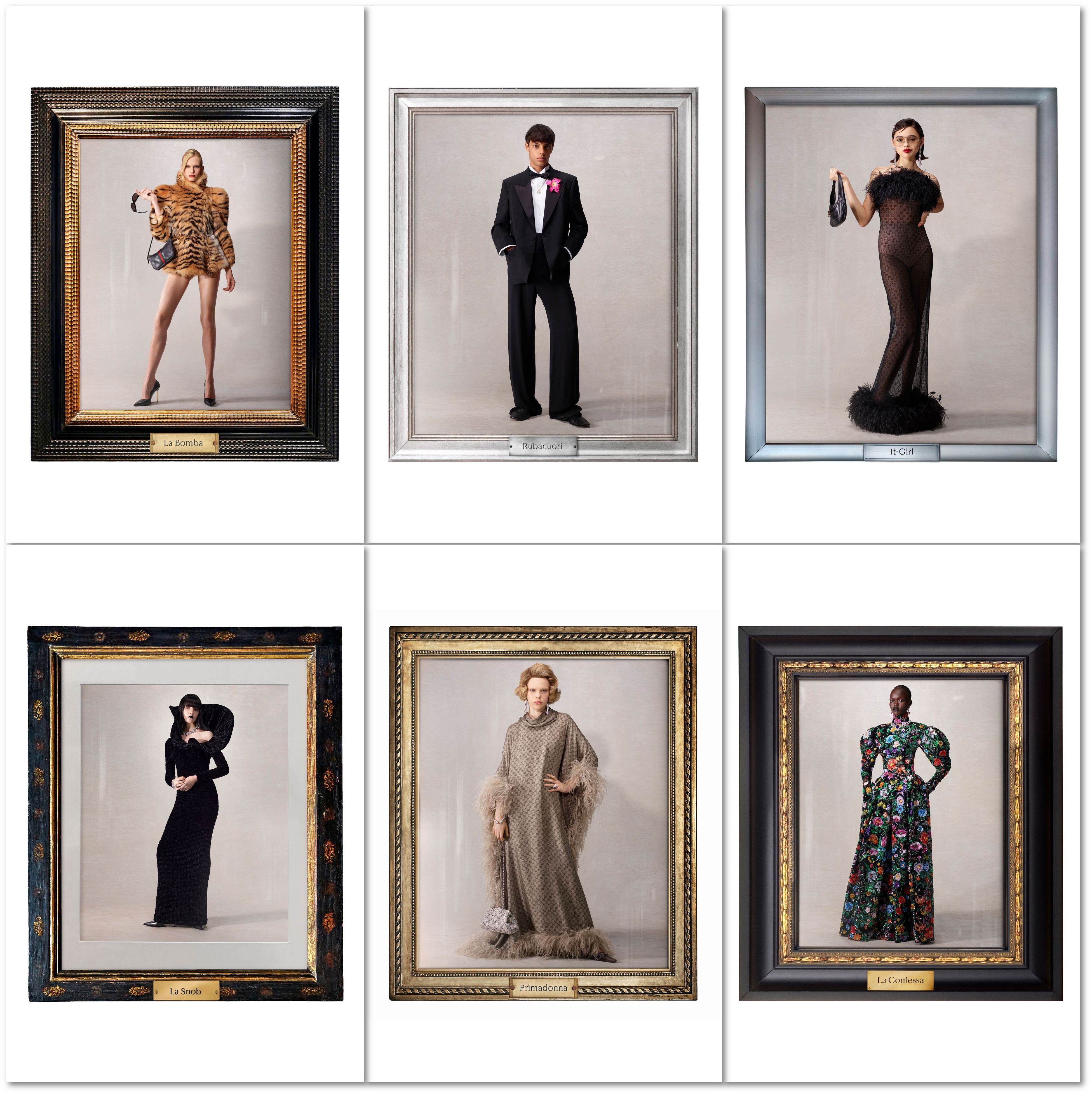
And you need the faux tiger fur coat because Lady Gaga would buy it. Or the neat little suit with slightly wide-legged pants because Gweneth Paltrow will eye it. There is a marabou-trimmed caftan that the late Katharine Graham would have loved for entertaining at home; a mini, glittery tube-dress that disco queens would not be able to resist; a pair of sexy men’s swimwear (or underwear, maybe?) that gym bunnies who peacock would adore; some pussy-bow blouses for former Gucci customers who still can’t get over them; and floral dresses for those who have decided to follow Mr Gvasalia from Balenciaga to Gucci. And, one body-skimming, long-sleeved dress with a standing botanical collar—looking like a carnivorous labellum—that the couture wannabes would devour.
The collection, however, is not about creating a new, unrecognisable wardrobe, as he did at the preceding two houses, but about reinterpreting Gucci’s storied, yet varied history. A significant part seem to be a nod to the Tom Ford years (but scaling down the “porno chic”). Some of the pieces clearly acknowledge Alessandro Michele’s significant contributions. We even sensed that the language of Frida Giannini is whispered. But all are visibly conceived through Mr Gvasalia’s distinctive, even inescapable, lens. While the glamour may be evocative of Mr Ford’s, the eclecticism Mr Michele’s, the execution is pure Demna. This could be the most ‘retro’ collection of his career yet, pushing the classics to an ironic, almost cartoonish, extreme that he’s powerless to say no to.
There seems to be less of the all-over branding and more of a tasteful, dress-to-charm feel. This is a far cry from the logo-heavy, “post-internet”, apocalyptic aesthetic he championed at Balenciaga. Demna Gvasalia is demonstrating his mastery of two things at once: an understanding of a brand’s heritage and an ability to translate his personal aesthetic in a way that feels both fresh and relevant to the house he now leads. Yet, the urge to generate a viral/vital moment and a sense of provocation is still there. It will suit Gucci’s desire to shift from “timeless pieces” to bold statements. As with the period of Alessandro Michele, Gucci needs to be more than just a luxury brand—it needs to be a high-wire cultural spectacle.
Photos: Gucci. Illustration (top): Just So
 Style on the Dot