The Japanese retailer took to social media to caution shoppers against fake websites and text messages
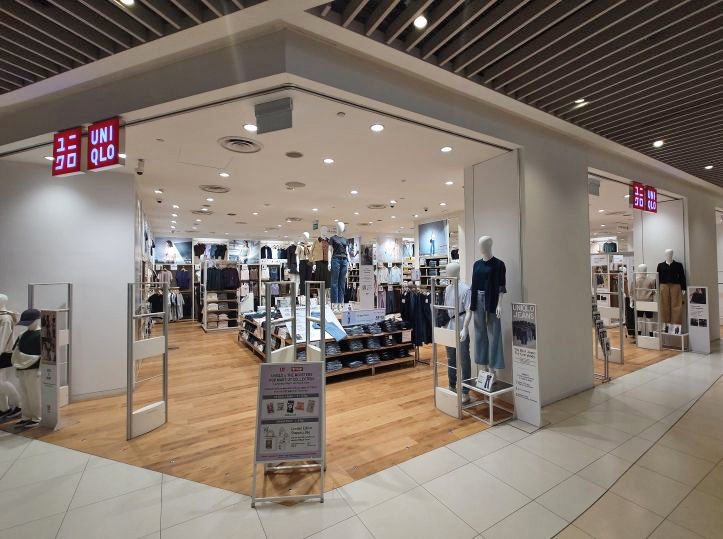
On their Instagram page earlier today, Uniqlo SG put out an “announcement” to warn shoppers of apparent brand imitators. “We have received reports from customers”, the message read, “about sites and texts imitating the brand. In the public’s best interest, we have taken steps to report these fraudulent accounts.” It did not describe the nature of the fakery or say what the fabricated sites do or what the bogus texts communicate. It concluded the message by saying: “We encourage customers to only refer to and engage with our official website, pages, job portals and platforms of the brand.”
Uniqlo SG has not stated whether customers have fallen victim to the mock sites or text messages. Apparently, they came to know of the fictitious representations after customers notified them. These reports, it seems, were what prompted the IG warning. It is not specified if they were from people who had already lost money or simply from those who had encountered the scam and were alerting the company. But their swift public warning meant they were protecting their customers, as well as limiting their liability. By proactively warning customers, it can demonstrate due diligence and mitigate potential legal issues should a shopper be harmed.
Unfortunately, Uniqlo is not the only brand to be targeted by scammers. This type of brand impersonation is a widespread and growing problem, affecting a diverse range of companies across different sectors, not just clothing retail. Even airlines, such as Singapore Airlines, have been targeted, with scammers using fake ads on social media to offer non-existent luggage deals, leading victims to phishing sites. The battle against retail scams is a continuous process. It requires brands to issue constant warnings and consumers to remain highly vigilant, always checking URLs and being skeptical of deals that seem unusually generous.
Photo: Chin Boh Kay
 Style on the Dot