Jennifer Lopez’s recent stage wear posed a necessary question: Did her hyper-revealing costumes signify confidence and artistry, or merely a distracting reliance on spectacle that overshadowed genuine depth?
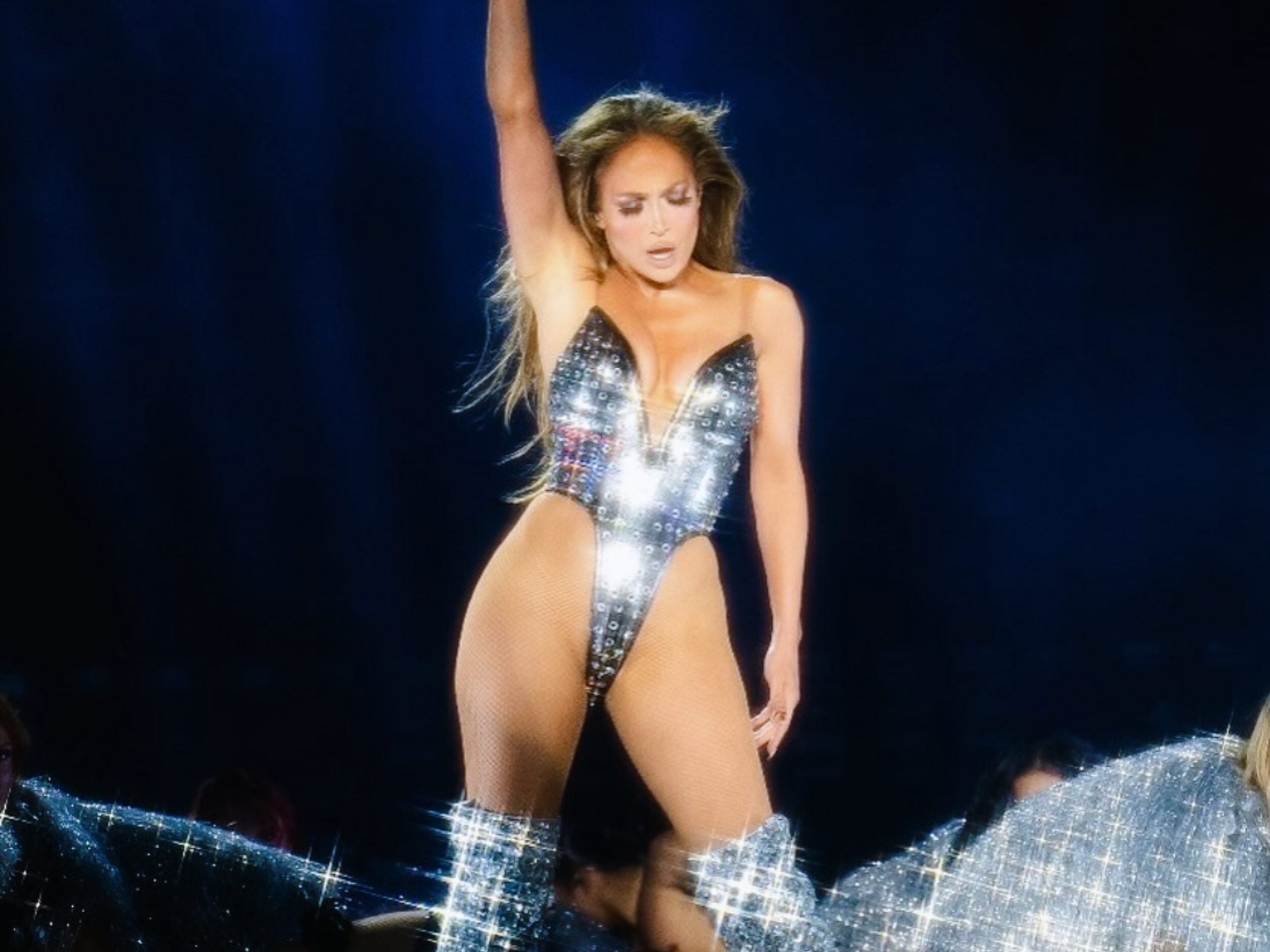
Less may be more, but Jennifer Lopez was not offering anything additional to her look and her performance. In fact, in baring too much, she offered too little. At the recent World Pride 2025 concert in Washington D.C. (an ironic city choice, considering the Trump administration’s stand on LGBTQ+ causes), Ms Lopez wore various body suits that revealed considerable skin. But it was two pieces, one silver and gold, designed by New York-based duo, The Blondes, that stole the show. Both rode high up the rump—higher than the natural waist—with the central thong construction barely covering her slit. Ms Lopez looked delirious of desperation. It recalled the recent Halle Berry lower-body reveal, but if you thought Ms Berry showed too much (and she did), Ms Lopez was practically an uncurtained window.
That Ms Lopez would go this hyper-revealing is indication that we have not reached peak bare pubic publicity. There is clearly still many stars’ veritable and unending pursuit of exposure. The history of celebrity fashion, particularly in pop music, is marked by a continuous—even if contentious—push for more provocative or attention-grabbing dress styles, specifically the lack of actual garments. Just as the convenience economy has affected how we shop for necessities and food, the attention economy has impacted how we consume entertainment. Stars need to reveal to grab attention. It helps that there is the proliferation and increasing effectiveness of body adhesives, often generically referred to as Hollywood Tape, now considered the crucial enabler/hero of near-naked clothes for both red carpet and stage.

It is hard to say why, at age 55, Jenny from the Block has not left the edifice of questionable skin show. Some observers say that she is maintaining relevance in a youth-centric industry, but Billie Eilish has not resorted to similar tactics to stay put in her industry. Ms Eilish, being as young as she is, could have used a show of skin in her performances, but she prefers to focus on her core artistry: her beguiling voice and solid songwriting. Her far more admirable career trajectory challenges the notion that hyper-sexualized displays are a necessity for female artists. Whenever the discussion about fashion sense pop up about pop stars, the counter argument is that they want to control their image. But in Ms Lopez’s case, has she perhaps lost control?
We understand that sexiness and bootiliciousness are part of her specific archetype. She embodies a different kind of pop star, one that has leaned heavily into sensual performance and dance that is evocative of seduction. Her continuation of this visual strategy is likely rooted in maintaining this specific brand identity. However, nobody is asking her not to dress sexily. The poser is: Would her fans think less of her if she covered all of her privates? The contention revolves around the degree of revelation, particularly the explicit, near-nudity of the pubic area and the whole derriere. Conversely, if Ms Lopez were to choose to cover her bare perilabial spaces, it could indicate that she’s not beholden to the escalating pressure for shock value or appearing relevant to a young(er) audience. Why not be known for her body of work than a body for display?
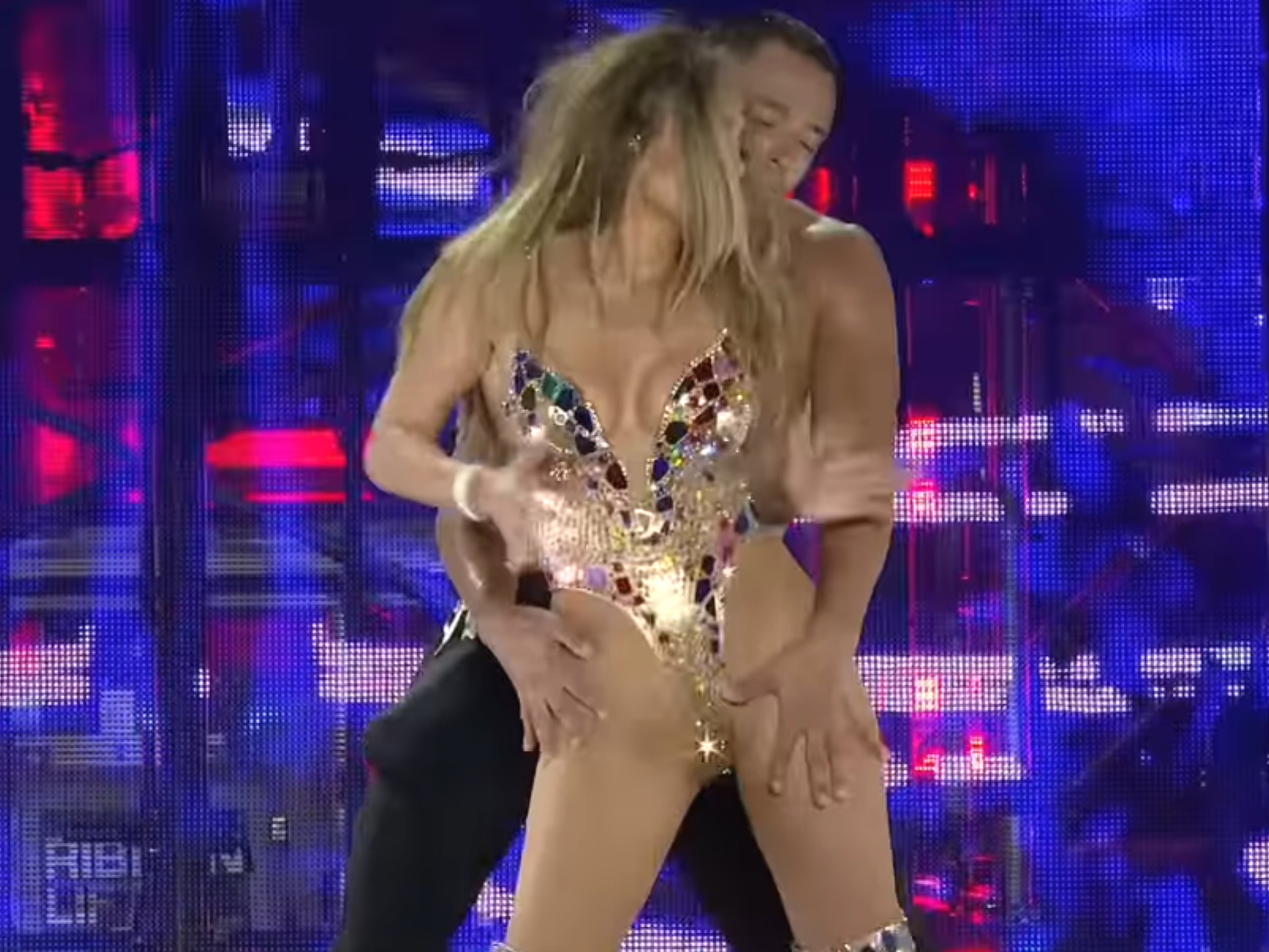
Ms Lopez was performing during World Pride, a global celebration of LGBTQ+ rights, diversity, and community, and her audience, as seen in snippets of her performance, was predominantly homosexual male. Gay men, especially, have, for a long time, been unfairly stereotyped as hyper-sexual or sex-obsessed. Ms Lopez’s costumes did not at all subvert that perception. In fact, it perpetuates it. Assuming that some within the gay male community enjoy the aesthetic, the way such images are then consumed and interpreted by the wider media and society can be problematic. It risks reducing a diverse community to a one-dimensional, sexualized caricature. She naturally has the freedom to choose, but in a world where a community is already battling damaging stereotypes, certain choices, even if well-intended, risk playing directly into and reinforcing the very one-dimensional sex-obsessed that the gay male community has long fought against.
In discussing representation, stereotypes, and allyship, especially concerning marginalized communities, it is inevitable that we should talk about Lady Gaga and the even longer supporter of the community, Cindy Lauper. Both are consummate performers and in supporting the LGBTQ+ audience, no matter in which part of the world, have never needed to resort to skimpiness of dress to entertain and, more importantly, to interface and support. They are the exemplars of the counter-narratives when it comes to the role of costume. Attendees of the recent Lady Gaga concert at the National Stadium would regale you with the theatricality and conceptual heft of what she wore on stage. Those older would similarly impress you with Ms Lauper’s whimsical fashion sense that underscores her self-expression, individuality, and fun. The women know what they must do. Neither need to show the nether, and none are worse off for it.
Photos: jlo/Instagram
 Style on the Dot