The memorabilty of Dior’s pre-fall 2025 season shown in Kyoto yesterday was totally dependent on the spectacular views, not the clothes
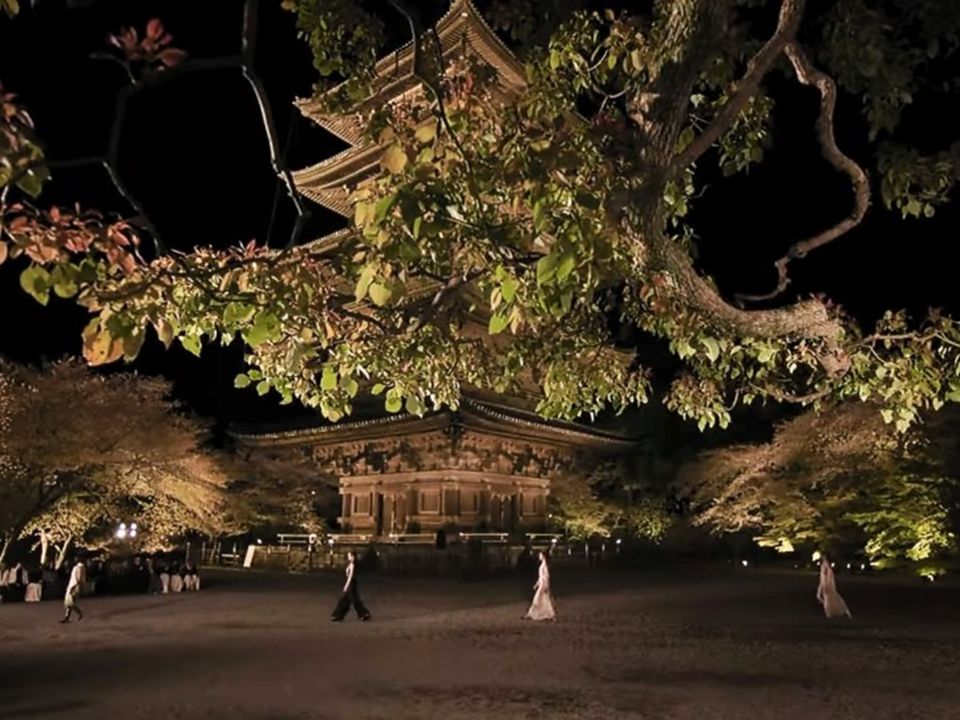
It is possible that Dior thought that since they were in Kyoto, they might as well let Kyoto do the talking. And that was exactly what happened at the maison’s pre-fall 2025 collection unveiled in the ancient city’s Toji-in, a garden of admittedly immense splendour. Like most, we saw the livestream of the show, but it was not the storytelling of the collection that came to life. In fact, you saw no more than a dozen of 71 looks close enough to discern their design value. You saw mostly the garden. The cameras were positioned to dwell on the surrounding than on the clothes. In some frames, to capture the spectacular background, only the back of the models were seen. But, perhaps, blame not the cameramen. It was no fault of theirs if the surroundings were more captivating than the clothes, or the soporific show.
If Dior’s latest presentation was not held in the Garden of Toji, would there really be a show? This could have been just a live view of a historic site. Commissioned by the first shogun of the Muromachi period, Ashikaga Takauji, Toji-In was the work of noted Zen priest/garden designer Muso Soseki. It is considered a secret garden in Kyoto as it pales in fame and size to the massively popular strolling garden on which the Kinkaku-ji (Golden Pavilion) sits. Still, the Toji-in holds its own. Apart from the five-storey pagoda and the main hall, the garden grounds are known for their cherry blossoms, which could explain why Dior staged their show at this time of the year. Much have been—and is often—said about the beauty of the Toji-in. The same does not apply to this Dior collection.


It can perhaps be reasonably said that amid rumours—and they still are—that Mariah Grazia Chiuri will soon exit Dior, the creative director is not terribly inspired to create. She has basically plateaued. That inevitably means that although it was the usually more commercial pre-season collection, it was especially less earth-shattering. After all, there were the cherry trees in full bloom to distract from the same-sameness of her usual take on the sportif and the feminine, the pairing of work wear with pretty skirts (gathered and tiered even better), the white shirts with asymmetric placates, more and more trenchcoats, the chemises sporting ‘easy’ shapes, or the sheer gowns on top of which glamorous surface decorations could be applied with eyes closed. And, of course, her unsurprising colour palette of blacks, whites, and khakis. It was as if she was contemplating giving up.
But this was Japan. Typical of her pre-seasons shown in exotic locales, she would have to feature design traditions of the host country or their “clothing habits”, as Dior calls them. And precisely because Dior was in Japan, Ms Chiuri had to illustrate that she could do as well, if not better, than what the Japanese excel in, although in the end, she trudged to her own sluggish tempo. Inspiration apparently came from Christian Dior’s and Marc Bohan’s take on the Japonais, but in the end, they could have been a traipse down Tokyo’s Meiji-dori. Oddly, despite the profusion of cherry blossoms, Maria Grazia Chiuri showed only one look seemingly inspired by the flowers: a sheer embroidered dress in gradated pink. The rest? Tabata/shibori (indigo dyeing)? Check for craft. Souvenir jacket? Check for saleability. Happi coat? Check for genius.
Screen shot (top) dior/YouTube. Photos: Dior
 Style on the Dot