The world’s second largest luxury fashion group is warning of dire days ahead to close the year
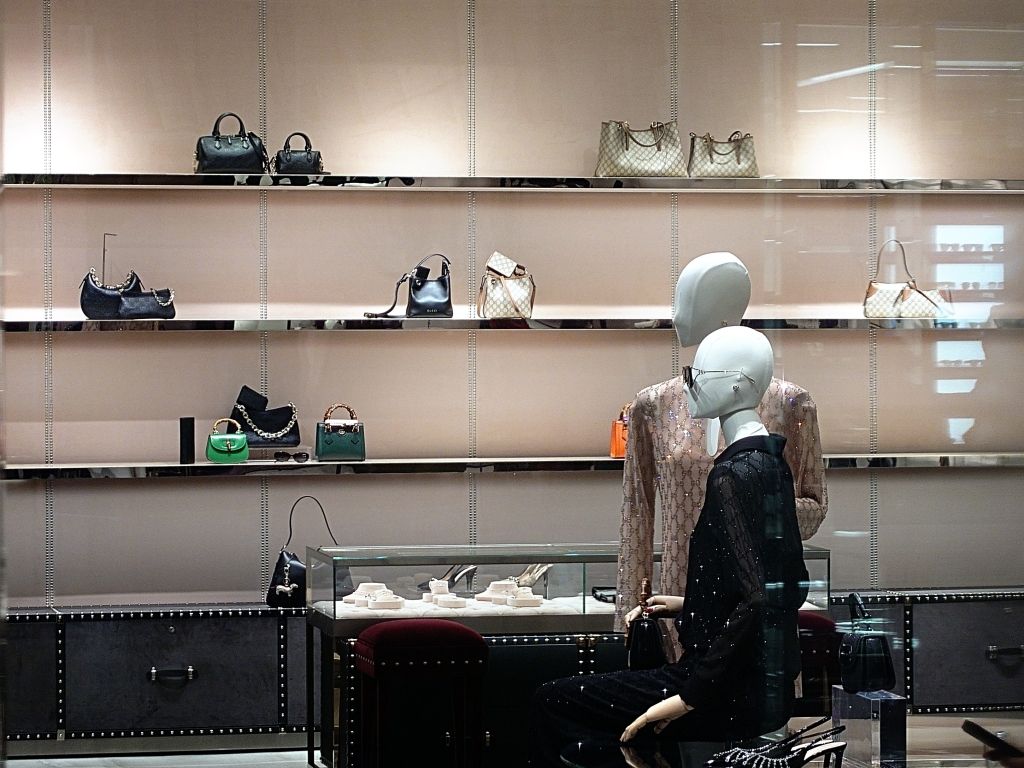
The surprisingly sparse shelves of the Gucci ION Orchard store
Kering has announced more bad news. Reuters reported the group has warned that its 2024 operating profits “would almost halve to its lowest in years”. China was cited for not being able to lift the demand for the merchandise of the many brands Kering offers, in particular Gucci. In fact, Gucci is the worst performer among the labels they own, such as Alexander McQueen, Balenciaga, Bottega Veneta, Brioni, and Saint Laurent. Gucci alone has suffered a 25 percent decline in sales, year-on-year, while the rest of the brands posted an overall drop of 16 percent. Even the still-hype-driven Balenciaga missed expectations. As a whole, Kering experienced a 16 percent drop in third-quarter revenues, which beat analyst forecast of 11 percent.
It is not surprising that Gucci would fare that badly. From the shared data alone, it could be hard to imagine how dismal Gucci’s performance has been. It was a much-talked-about turnaround that has yet to pick up pace. In the past year, every visit to a Gucci store has been a strange experience to us, unlike before. When they were a roaring hot label, Gucci retail staffers hardly had time for customers they were not already serving. It has been the same, whether we were in the stores in Hong Kong, Kuala Lumpur, or here. But these days, the sales assistants hang around the entrance in trios or quartets to welcome you and the group will follow you through the store, even if you were a sole shopper. SAs desperate to secure a sale, however, small, have become a tad too obvious and sufficiently unpleasant to discourage browsing.
And for reasons we have yet understood, the shelves and racks in the stores have been rather sparsely filled. When the Gucci Dionysus bags and monogrammed anything were popular, the stores’ display units were packed with merchandise. But these days, with no ‘It’ this or must-have that, the stores seem starved of those items that would draw in the hordes. Or is this, perhaps, a reflection of the boom-to-bust situation in China, the one country that so many brands have been dependent on to boost their bottom lines. It is also possible that the few products available are a way to create a perceived scarcity of products to enhanced Gucci’s standing as an uber-luxury brand. When we commented to a staffer at a Gucci store that there appeared to be very few merchandise in there, she said to us, “oh, many items are sold out.” Really?
 Style on the Dot