LVMH reported third quarter revenue dips. This time, in addition to China, Japan is to be blamed too
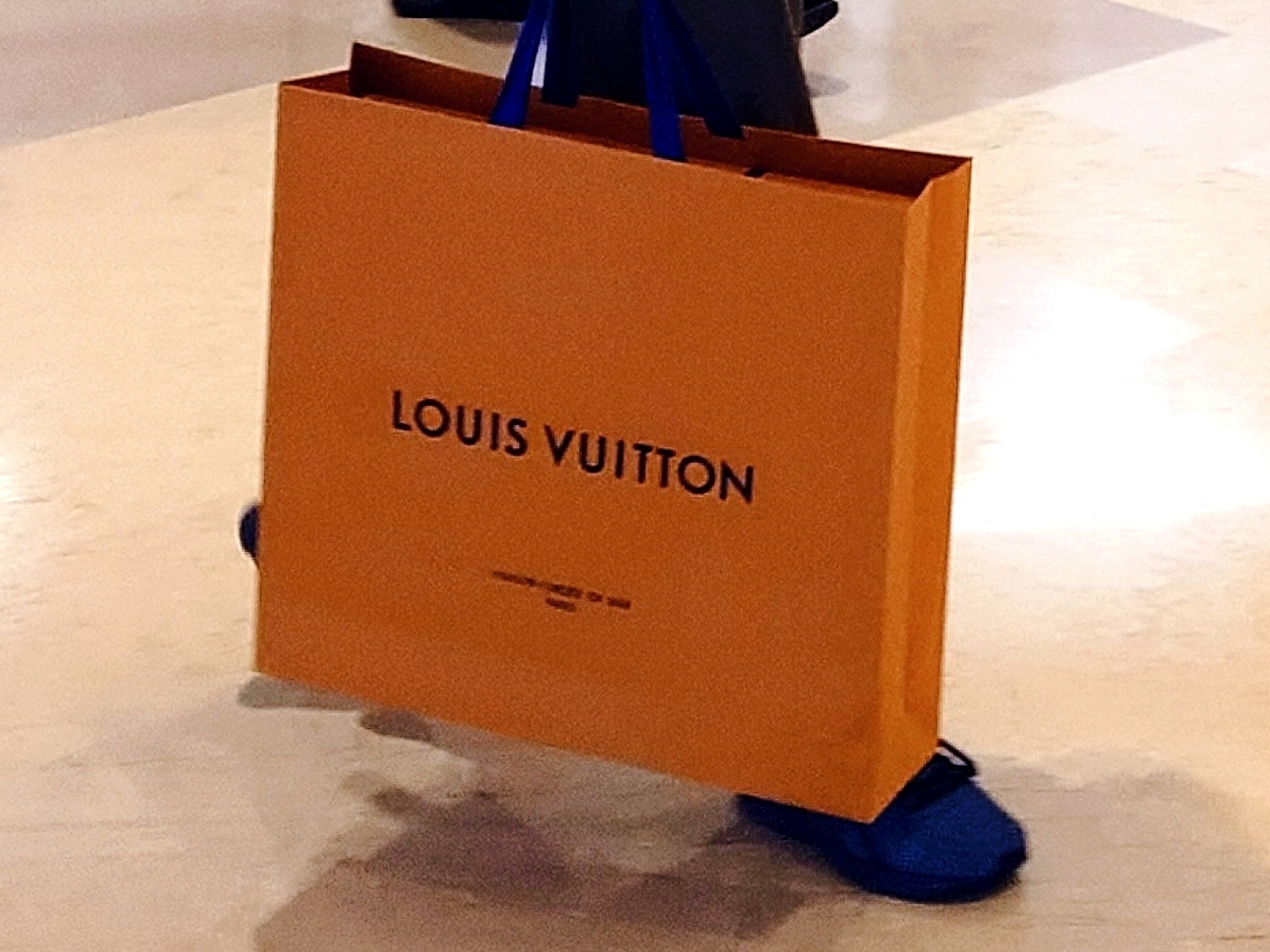
Luxury fashion brands are losing their appeal and now certain countries are to be blamed. LVMH, for one, has attributed the declining sales of their brands to performance in Japan, other than continued fall in China. At first, Japan was their saving grace, but not anymore. As Reuters reported, the group “generated 19.08 billion euros (about S$$27.2billion) in revenue for the three months ending in September, a 3% fall.” The slide is expected to cause “investor worry”. It is LVMH’s first fall in quarterly sales since the pandemic. Furthermore, fashion and leather goods, which comprise the Louis Vuitton and Dior labels and others, reported a 5 per cent drop, below consensus estimates of 4 percent growth. It is the first decline for the business since 2020, which following that, enjoyed “revenge” shopping as the world crawled out of lockdowns. Fortune even called the decline “a bloodbath of an earnings”.
According to information that LVMH shared with the press, the significant drop in revenue “mainly arose from lower growth seen in Japan”. China’s neighbour across the East China Sea is no longer a reliable buffer to the Middle Kingdom’s declining waning appetite in luxury fashion. Moreover, the stronger yen now, after what has been described as a “historic” fall, has dampened Chinese enthusiasm in going to Japan to shop for cheaper LVMH products. It is surprising that the sustained tourist surge these past many months helped not LVMH in bolstering the purchasing of their brands’ products. Chinese consumer confidence has slumped and Japan’s has not really recovered. While Chinese tourists are reportedly not going to Japan in droves, locals, once one of the world’s most voracious consumers of luxury goods, too, are not helping LVMH augment their sale figures through fervent buying. Still, many reports cite that the world largest luxury conglomerate “ believes in the future of the market”.
The stronger yen now, after what has been described as a “historic” fall, has reportedly dampened Chinese enthusiasm in going to Japan to shop for cheaper LVMH products
The Japanese consumer is one of the most discerning in Asia, with a healthy appetite for luxury goods. Although not out-matched by the rapaciousness of the Chinese in the last years, the Japanese were thought to consume more luxury fashion then any other developed economy in the late ’80s. But like so many societies that have matured and are not moved by the frequent hype that is luxury fashion now, the Japanese appetite for expensive, “branded” goods, too, have declined. The Japanese, unlike other nationalities, have largely dropped what was known as “brand as badge” attitude towards fashion consumption. And cities such as Tokyo consistently show that you do not need to shop at conspicuous luxury flagships to look good or to be on trend. Local brands are doing just as well a job in offering what luxury brands have without the increasingly ridiculous pricing of the latter.
For a while now, the Japanese have to contend with not only a weak yen, but the financial insecurity that has accrued from past economic crises. While consumer confidence has edge up, spending has not. To make matters worse, the population is ageing. But while many LVMH brands do not target mature shoppers, they are less alluring now to the younger, who are selecting value and practicality over luxury. SOTD contributor Jiro Shiratori told us that “many mid-price Japanese retailers such as the select stores Journal Standard and Nano Universe offer equally good merchandise with sharper pricing, while higher-end stores such as Dover Street Market Ginza provide more experiential shopping for the discerning.” He added, “Young fashionistas are also less inclined to dress head-to-toe in designer clothes; they are happy to mix the more expensive and the more affordable. And that’s not to mention with strong outdoor brands such as And Wander, Nanamica, and White Mountaineering.”

It is also interesting that LVMH made no mention that a possible dip in their sales is also due to the reaction against the astronomical prices of their merchandise. LVMH’s CFO Jean-Jacques Guiony told Fortune that the company wouldn’t “change strategies”, which means affordable products would not be considered, let alone any downward pricing. For that matter, neither did Mr Guiony state that they would not raise prices, or if price hikes are necessary to boost revenue and profit. Or, address the issue of low production cost and high retail price (of their handbags), a strategy (at least at Dior) that had turned off consumers. There was also no mention of how the scandal that broke in June as a result of Italy’s investigation into the staffing situation in factories that produced for Dior. In any case, Japanese consumers, like those elsewhere, are not taking constant price increases unquestioningly.
And there are the products themselves. These days, a visit to any store under the LVMH umbrella, is often met with merchandise after merchandise after merchandise, usually not of immense design value. Many of these brands depend on bags and accessories to fuel revenue growth, yet much of what is placed on the selling floor to purportedly tempt have not really captivated, especially those with more refined tastes. Dior continues, for example, to put out their Book totes—almost S$5,000 on average for the medium—that are getting unpleasant to look at as they make gaudier versions of them. Who really buys them anymore is unclear. Louis Vuitton, too, is churning out bags, especially under Pharrell Williams’s creative direction that are so showy, they do not attempt to hide their vulgar veneer, such as the Speedy or, worse, the Millionaire Speedy. Is resistance to them and the like, therefore, surprising?
Photos: Jiro Shiratori
 Style on the Dot