Although the French retailer pulled out of the country last year, they are allegedly still a supplier to the land denoted during wartime by the letter Z

Decathlon flagship in Bedok
After Russia invaded Ukraine in February last year, many foreign brands ceased their manufacturing and retail operations in the former. From Levi’s to Vogue, the closures came swiftly. Decathlon, the French sports and leisure retailer, believed to be the largest in the world, similarly pulled out of Rossiya weeks after the war broke out. But according to a report by the “investigative journalism media” Disclose, published on 9 December, Decathlon has set up a “secret project” to continue its business dealings in the largest country in the world. “After conducting an investigation based on internal company documents, open-source videos and testimonies from several former employees, Disclose can reveal that Decathlon has set up a large system to conceal its exports,” the report stated. Somewhat disconcerting is the mention of our island nation in the first paragraph of the editorial: “A shell company in Dubai and a subsidiary in Singapore: French sports retail giant Decathlon has set up an opaque system to continue selling its products in Russia.”
We have been attracting retail companies with controversial business practices. First Shein and now Decathlon. What these companies bring to our reputational status is not quiet clear, yet. Disclose reported that “to be able to fulfil its Russian contract, Decathlon resorted to a Singapore-based subsidiary, Desipro.” A private limited company, Desipro was incorporated here in October 2009—that is 14 years ago. Their principal activity is the “wholesale of sporting goods and equipment (including bicycles and healthcare equipment)”. Reportedly, with Desipro’s “help”, Decathlon “ordered goods urgently from its Asian suppliers”. As the subcontractors were unable to ship the goods directly to Russia, the products had to be re-directed. Disclose wrote: “The sports retail giant, clearly not averse to stunts, then demanded from its Asian partners that they fly their consignments to Dubai,” from where “they were immediately sent on to Moscow.”
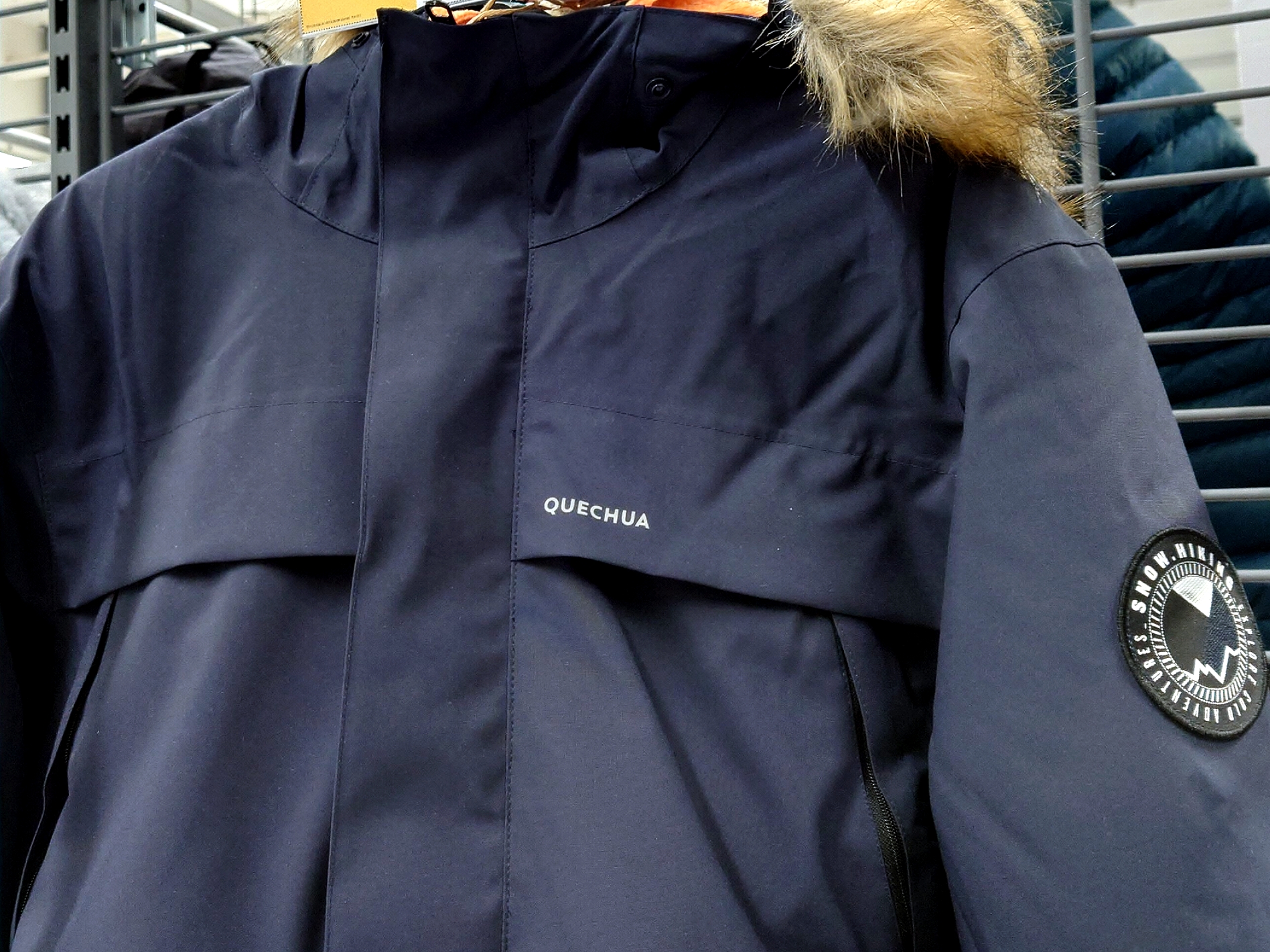
One of the 36 house brands, Quechua, that was allegedly shipped to Russia
Disclose shared that they had seen invoices for fleece jackets of Decathlon’s house brand Quechua (created in 1997 to cater to hikers and campers), and that a company Phenix Limited in Dubai “took delivery of the cargoes”. The Decathlon Group not only sells a staggeringly wide array of goods related to sports and outdoor activities, they reportedly stock more than 20 sub-brands for their stores worldwide. Some of the labels, such as Quechua, Wedze and Kalenji, were singled out in the Disclose report, which also described how Russian consumers did not find it necessary to be discreet in the use of these Decathlon products: “Quechua, B’twin, Rockrider, Wedze, Arpenaz, Forclaz: the Decathlon brands can be seen in several videos posted by Russian Internet users on the VKontakte social network, as they wander along the aisles of Desport stores. Lifting the label on a pair of Kalenji trousers, one of them exclaims: ‘Made in Bangladesh!’.”
Desport, which opened in November 2022, is the local chain that replaced Decathlon. According to Disclose, there are now 16 outlets in Moscow and St Petersburg. The Russian answer to Decathlon reportedly planned to open 28 stores by the end of this year. How they will source for their merchandise is not known. Neither have they revealed the provenance of their products. In response to media query following the explosive Disclose report, the multinational retailer told AFP that it “operates no stores in the Russian Federation, employs no staff and owns no stakes in active companies in the country”. With international sanctions against Russia not lifted, it is tempting to ask, is Decathlon’s purported shipments to Vladimir Putin’s country legal? Disclose quoted a French corporate compliance expert: “It is a grey area, at the very least.” He also said that “the increasing complexity of supply chains, between Singapore and Dubai, could be tantamount to circumventing sanctions.”
File Photos: Chin Boh Kay for SOTD
 Style on the Dot