It has been called the “long-awaited return”, but is the time right for Phoebe Philo’s muted comeback?
Quite a wait it has been. But it seems no one is complaining. In 2021, Phoebe Philo announced that she will be back to designing clothes, this time for her very own label that shares her alliterative name. It has taken more than two years for the line to materialise. There has been very little to amp up the post-fashion-weeks launch, first scheduled for September, and then postponed to end of October. The e-commerce website went live yesterday, quietly. There was no runway show to accompany it, no artsy short film, no splashy advertising, no paid influence. Just heightened anticipation. Her re-entry after leaving Céline six years ago into a place alongside banner names has been lauded as “momentous”. The clothes? Maybe less so. Philophiles—those ardent followers—would fall for the line; they won’t complain. Primed for the return and were rewarded.
When Ms Philo brought her form of minimalism to Céline in 2009, it was lauded for the “effortless chic”, for “bringing the brand into the modern era”. Women, it seemed, simply wanted to dress in the manner Ms Philo proposed, or even like her (who didn’t want to adopt the Adidas Stan Smith as she did ten years ago?). After she left in 2017, that Philo aesthetic, thought to vanish with her, did not exactly evaporate. At Jil Sander, Luke and Lucie Meier were offering their take on the minimalist-but-not-quite, as well as at Lemaire, co-created by Christophe Lemaire and Sarah-Linh Tran. Daniel Lee, ex-Céline staffer on Ms Philo’s design team took along what he absorbed to Bottega Veneta and now, to a certain degree, Burberry. Similarly, Matthieu Blazy—also a designer at Céline under Ms Philo’s watch—has fine-tuned the barely-anything-but-with-a-subtle-twist look at Bottega Veneta. The Philo-sophy, forgive the cliché, has not gone away at all. In fact, it’s been kept alive.
In that sense, what Phoebe Philo is presently offering is not the stuff that shakes any ground. During her halcyon days at Céline, fashion was much fancier, with street wear creeping decidedly in. Many brands were outdoing each other to see how much more they could impress. Ms Philo, on the other hand, chose to walk her own path. Or, as many had said, trusted her instincts as a woman, and go with what she thought women really wanted—less fussy; clothing that had nothing to do with the male gaze. But things do change. If she has remained at Céline, her designs might even have evolved. But no such luck under her own debut label. This was clearly where Ms Philo last left off. It was as if she was saying: “You missed me? Now, you don’t have to.” It is possible that women do miss those days when Céline was crisp air in the stale room of overt trendiness, those moments when purchasing the clothes meant something or felt like it, the feel-good of belonging to a fashion faction that expressed intelligence over blind consumption, but do they really miss the designs?
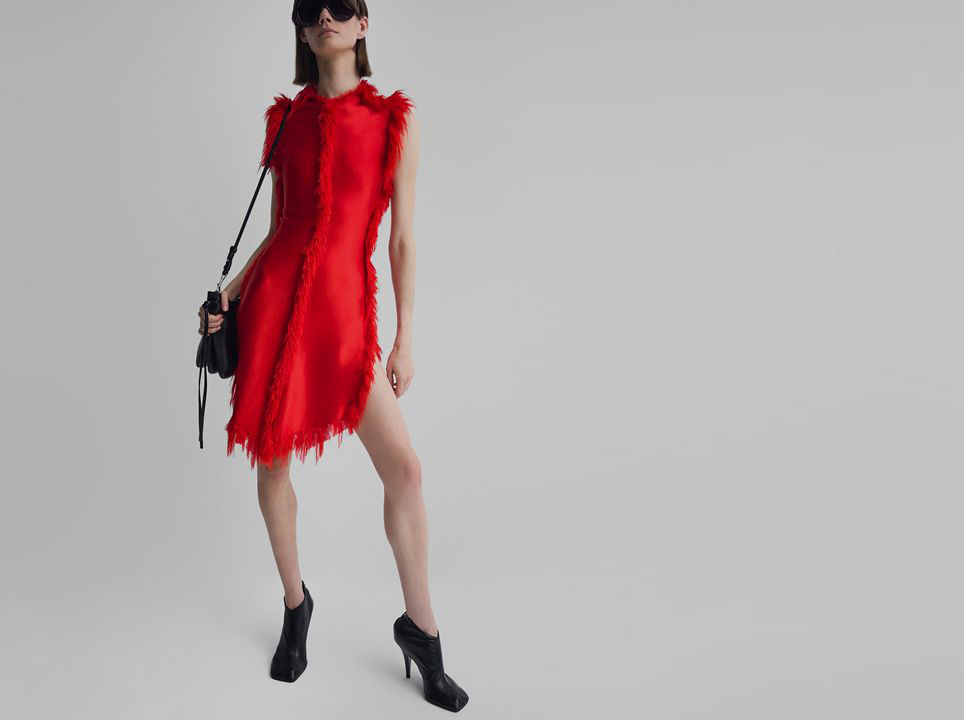
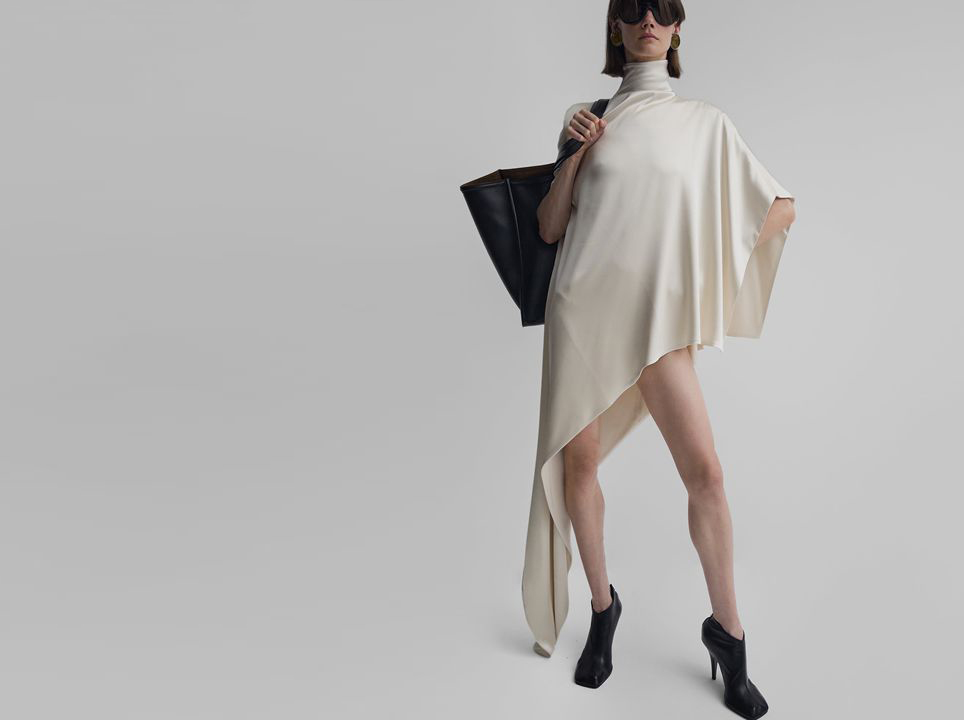
Phoebe Philo may have found her groove and rocked to it at Céline, just as Claire Waight Keller had at Givenchy. But given a chance to return, she, like Ms Waight Keller for her comeback at Uniqlo, chose—or fell for—“seasonless”. (And there is also competition from Carven, now designed by Louis Trotter, formerly with Joseph.) Ms Philo prefers not to be circumscribed by seasons so as to be able to expound “a body of work”. This could preempt the groundbreaking, to manage expectations, to free the brand from the traditional fashion calendar. The clothes do not have to scream yesterday, now, or tomorrow. They just need to be. So the designs err on the classic, with a mix of the casual, the party-ready, and the tailored. Women presumably still need a blazer (perhaps for the corporate world’s opposition to working from home), but do they require another with “strong, structured shoulders and a dropped contour waist” that even COS is closely offering? There are pieces that fans have described as “fun and sexy” (in case you thought seriousness is all there is to the line): A shift dress with seams and hems of “hand-combed embroidery” that mimics narrow strips of long pile shag, a turtleneck silk caftan slashed diagonally from the left hip to the right foot, high-waisted wool trousers that can be unzipped from the waist at the rear down the centre-back of each leg all the way to the hem, revealing—believe it—the posterior. Seasonless? Ms Philo’s is remarkably adaptable.
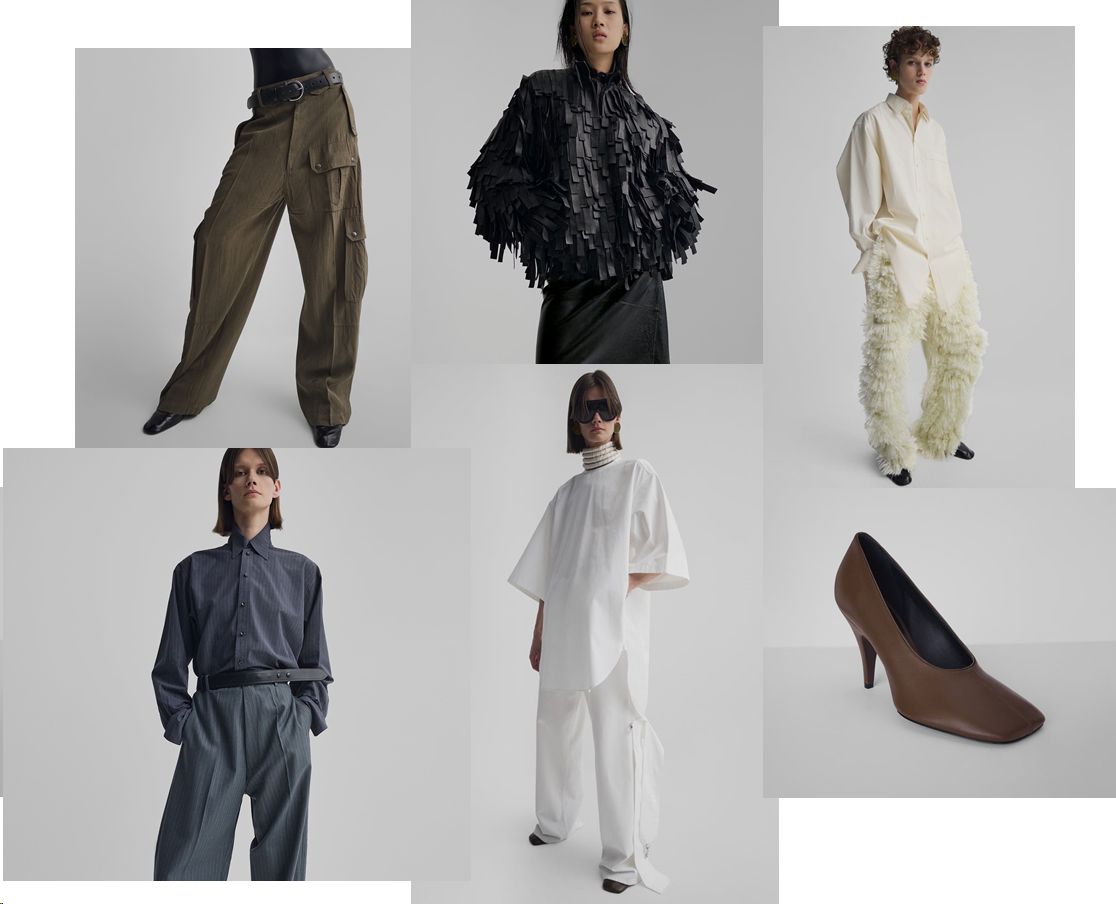
To be sure, it is hard to see how good the clothes really are from just those website images (also shared with the media), shot like they were destined for a look book, and nothing else. On the homepage of the site, there are those assembled as if for a mood board, and are placed vertically one above the other for easy scrolling. The photographs perhaps capture the edginess (some are just oddly cropped) that Ms Phoebe desired, but tell a sketchy story about the label itself. Dubbed A1 (as if naming a smartphone), the debut is less a collection than an “edit”—a posh way to say ‘we don’t sell a lot’. There are, in fact, 150 pieces, including jewellery, bags, and shoes. It’s too early to consider that the output is based on sales data, but it is pitched at a very specific customer—one for whom experimenting is not a requisite. Many of the items are sold out not long after they went online, but it is hard to say how well the clothes really fared. Ms Philo has not revealed the depth of the edit, and with just one direct-to-customer distribution point—their website, the quantity produced could be modest.
Which may explain why the reward waiting fans have availed themselves does not come cheap, even by the standards of luxury fashion. Prices indicated are in British pound (£1 is about S$1.67): E.g. £900 for a pair of wide-legged cotton twill jeans; £3500 for a pair of trousers with “hand-combed embroidery” on the front for a shaggy effect that would be so suitable for lion-dancers, £4,200 for a trench coat with a detachable scarf that when used, breaks the more traditional shape of the outer; £4,500 for a leather biker jacket that looks Fast & Furious-worthy; £5,800 for a suede east-west tote; or £8,300 for a “tasseled” leather bomber that is more like textured with fringing made from tabs. For a new brand, the Phoebe Philo pricing smacks of arrogance. Egotism could be in the calculation—the believe that theirs is a marquee name and there are those so desperate to buy the offerings of the brand and would be so enamoured with it that they would welcome the high price. Or, if they are resistant, will soon be inured to it. Perhaps, this is to keep the label only in the hands of those who can really afford it. And, therefore, keeping the reach limited. To be within that, pay handsomely for it.
Update (2 November 2023, 09:00): According to The Guardian, the Phoebe Philo debut “edit” is “sold out”. And that feat was achieved “just hours later”, after the website went live at 3.20pm (London time, or 11.20pm our time). If that’s believable, the brand has achieved a one-hundred percent sell-through in less than 24 hours. We just checked the Phoebe Philo website. There are still merchandise available, such as the ‘Cabas’ tote, the ‘Man’s’ coat, or the ‘Hand-Combed Embroidered’ dress. We counted at least 19 items still in stock (we do not know if they are replenishments). Others are marked “available soon”. Products that are sold out is indicated, but that is not enough—the images are screened with a pink filter, as if to say, “too bad, but you can still look”
Photos: Phoebe Philo
 Style on the Dot